The weight of the quarter-final
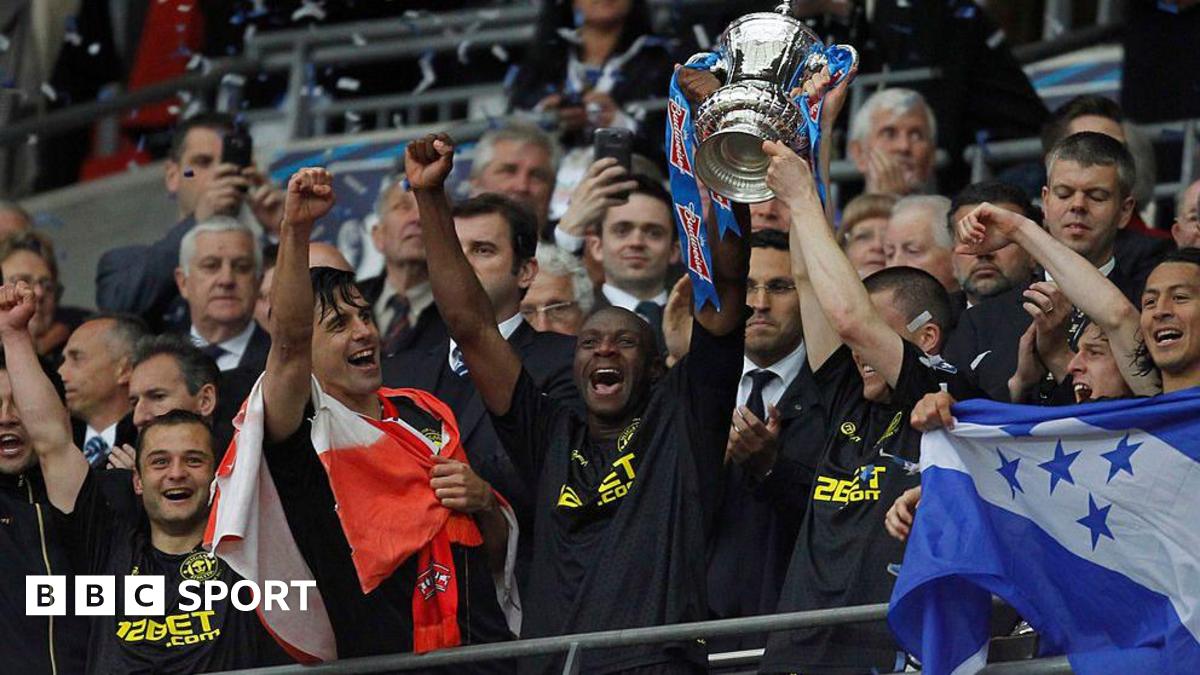
Matheus Fernandes is bracing for one of the most significant appearances of his career as West Ham prepare for their FA Cup quarter-final showdown this Sunday. The stakes are immense, with the club eyeing a coveted path to Wembley. Such high-profile knockout football often defines the trajectory of a season, turning mid-table hopes into silverware-driven campaigns.
Fernandes has become a focal point of the narrative surrounding this clash, though the focus has been on his personal preparation rather than just his tactical deployment. He revealed he spent time reflecting on a lost loved one before matchday. These moments of human vulnerability provide a stark contrast to the performative nature of modern football marketing.
Before Mateus Fernandes pulls on his West Ham shirt on Sunday afternoon for an FA Cup quarter-final, he will take a moment to speak to a man who is no longer with him but forever by his side.
Adapting to the English game
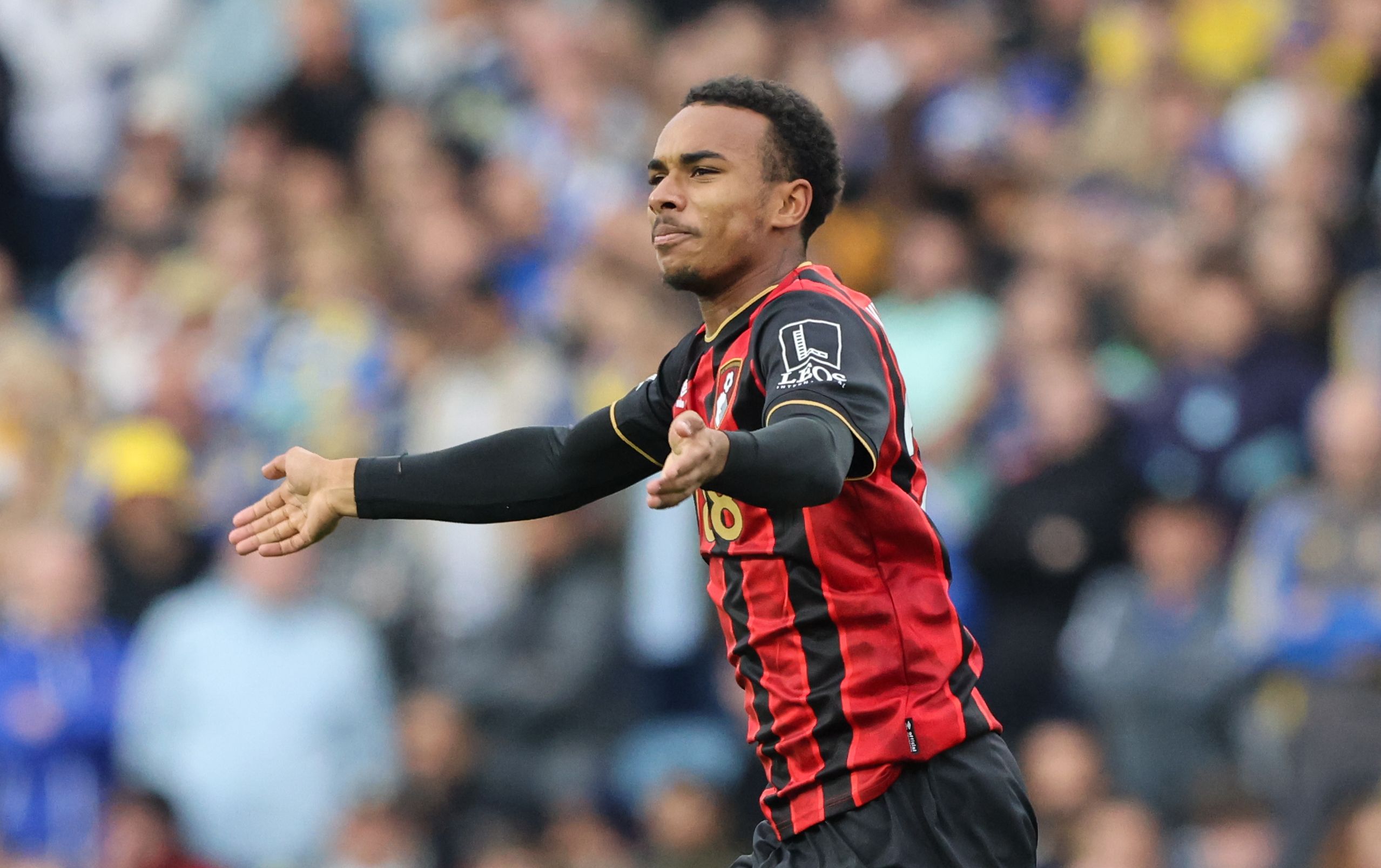
Life in England is rarely just about what happens on the pitch. As Junior Kroupi noted regarding his own transition to Bournemouth, the cultural adjustment for international players often involves navigating the mundane realities of relocation. Whether it is hopping on a tourist bus to map out a new home or learning to endure the notoriously unforgiving English climate, the mental transition is as taxing as the physical one.
For Fernandes, that transition has been public and sometimes peculiar. Beyond his pre-match rituals, the midfielder recently opened up about a far less successful extracurricular pursuit: golf. A disastrous attempt at the sport has become a talking point, offering a rare glimpse into the life of a Premier League athlete when the boots come off. It is a reminder that even the most technically gifted midfielders can struggle with the basics of a nine-iron.
The European standard
As the FA Cup reaches its business end, context is provided by those currently navigating the elite levels of the continental game. Morgan Rogers, who featured for Aston Villa during their campaign in the Champions League, spoke on the fine margins that separate good players from elite ones. The intensity of Europe is a crucible that leaves its mark on young talent.
Rogers noted that the experience taught him everything about his actual level of play. The difference between a domestic match and a European tie is often defined by those exact fine margins. For teams like West Ham, the FA Cup represents the most direct route to experiencing that same level of high-stakes scrutiny.
Tactical reality vs. sentiment
While stories about tattoos and golf swings fill the tabloids, the brutal reality of the quarter-final looms. Experts are predicting a tight affair where tactical discipline will be paramount. Sky Sports analysts have already suggested that other high-stakes ties, such as Manchester City versus Liverpool, will dictate the broader narrative of the season. West Ham cannot afford to get caught up in the romance of the fixture if they want to secure their spot at Wembley.
The critique here remains consistent: football clubs often lean on player-profile pieces to distract fans from potential tactical deficiencies or roster gaps. Fernandes is a talented asset, but using his personal life to anchor the build-up feels like a thin veil for the high-pressure demands of a competition that could decide whether his manager stays or goes via the 30th of June contract deadlines. The fans care about the result, regardless of what the players choose to wear on their skin or try on the golf course.
The road ahead
- Quarter-final intensity: The pressure is mounting for Sunday's clash.
- Continental exposure: Players like Morgan Rogers provide a blueprint for how high-stakes domestic games serve as a dress rehearsal for European football.
- Cultural shifts: Players like Junior Kroupi show the value of simplifying life off the pitch to improve performance on it.
Ultimately, Sunday will reveal if the focus remains sharp enough for West Ham to reach the semi-finals. If they fail to deliver, the human-interest stories will quickly shift to post-match criticisms of the coaching staff's decisions. The clock is ticking toward kick-off.