The 7.2 progressive carry outlier
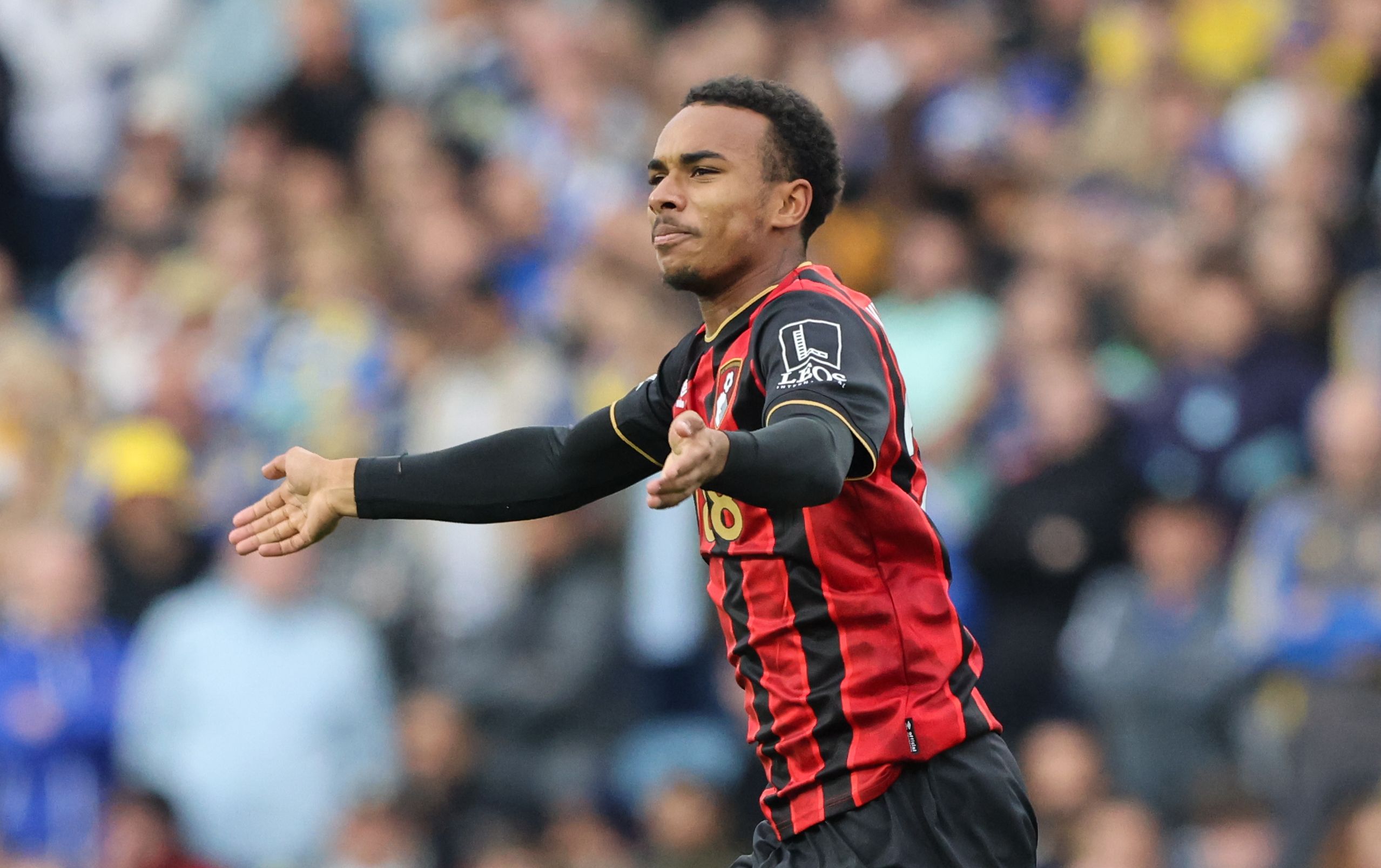
Mateus Fernandes is currently doing something at West Ham that few midfielders in the Premier League can replicate. The Portuguese U21 international is averaging 7.2 progressive carries per 90 minutes. That puts him in the top one percent of all midfielders in Europe’s top five leagues for the 2025/26 season. It is the primary reason why PSG and Arsenal have suddenly moved him to the top of their summer shopping lists.
Arsenal’s interest is particularly calculated. Mikel Arteta has spent the last two years looking for a high-volume ball progressor who doesn’t sacrifice defensive solidity. Fernandes has recorded 6.4 ball recoveries per game this season. He isn't just a luxury creator. He is a high-intensity engine who fits the modern profile of a transitional threat. West Ham’s recruitment team knew what they were doing when they plucked him from Sporting, and the bidding war is just starting.
As Friday's gossip column reported, the interest from Paris St-Germain is just as concrete. Luis Enrique’s system requires midfielders who can bypass a mid-block without needing a second pass. Fernandes’ success rate in take-ons stands at 64 percent. For a 21-year-old playing in a side that often surrenders possession, those numbers are genuinely elite. West Ham will likely demand a fee that reflects his statistical ceiling.
The Valverde conundrum in Madrid
While Fernandes represents the future, Federico Valverde represents the gold standard of the present. Manchester City and PSG are reportedly circling the Real Madrid man, and the data explains why. Valverde has covered an average of 11.8km per 90 minutes in the Champions League this season. He is the only player in the Madrid squad who successfully bridges the gap between a deep-lying playmaker and a wide forward in the same transition.
City’s interest stems from Pep Guardiola’s obsession with control under pressure. Valverde’s pass completion rate when being closed down by two or more players is 89 percent. That is a staggering figure for a player who takes as many risks as he does. Most 'engines' in midfield are safe passers. Valverde is a progressive weapon who rarely turns the ball over in high-risk zones. If Madrid are willing to talk, the fee will be astronomical.
There is a catch, however. Valverde is now 27. His value is at its absolute peak. For a club like PSG, spending nine figures on a player entering his late twenties is a shift in strategy. They have spent the last two years focusing on youth. Bringing in Valverde would be an admission that their current midfield lacks the raw physical power to dominate European knockout ties. It’s a high-stakes gamble on immediate results over long-term development.
The Sporting to Manchester pipeline continues
Manchester United are once again looking at Lisbon. Morten Hjulmand is the latest Sporting captain to be linked with a move to Old Trafford. The Danish international has completed 92 percent of his passes in the defensive third this season. He is exactly the kind of metronome United have lacked during their inconsistent 2025/26 campaign. He doesn't panic when the opposition press reaches the 18-yard box.
Hjulmand’s defensive metrics are equally impressive. He is winning 3.4 tackles per 90, often acting as a one-man screen for Sporting’s back three. United’s current midfield options have struggled with lateral coverage. They get bypassed too easily in the half-spaces. Hjulmand’s positioning data shows he spends 80 percent of his time in the central corridor, rarely getting drawn out of position by decoy runs. He is a disciplined, boring, and highly effective footballer.
The hidden flaw in the data
No statistical profile is perfect. For all of Mateus Fernandes' brilliance in transition, his final ball remains a work in progress. He has recorded 14 secondary assists this season—the pass before the assist—but only three direct assists in 34 appearances. He does the hard work of breaking the lines but often hands the glory to someone else. PSG might find that frustrating if they expect him to replace the raw output of a more established playmaker.
Valverde also has a specific limitation. His shot volume has dropped by 22 percent compared to the 2023/24 season. He is doing more defensive work to cover for Madrid’s aging core, which has blunted his offensive threat. If City buy him, they are buying a transition killer, not the goal-scoring midfielder he used to be. Every transfer comes with a trade-off, and the clubs involved need to decide which numbers matter most for their specific systems.
The summer window is shaping up to be a battle of the spreadsheets. Whether it’s Fernandes’ carries, Valverde’s distance, or Hjulmand’s discipline, the biggest clubs in the world are no longer buying names. They are buying specific statistical solutions to tactical problems. West Ham and Sporting are the ones holding all the cards, and they know the data is on their side.