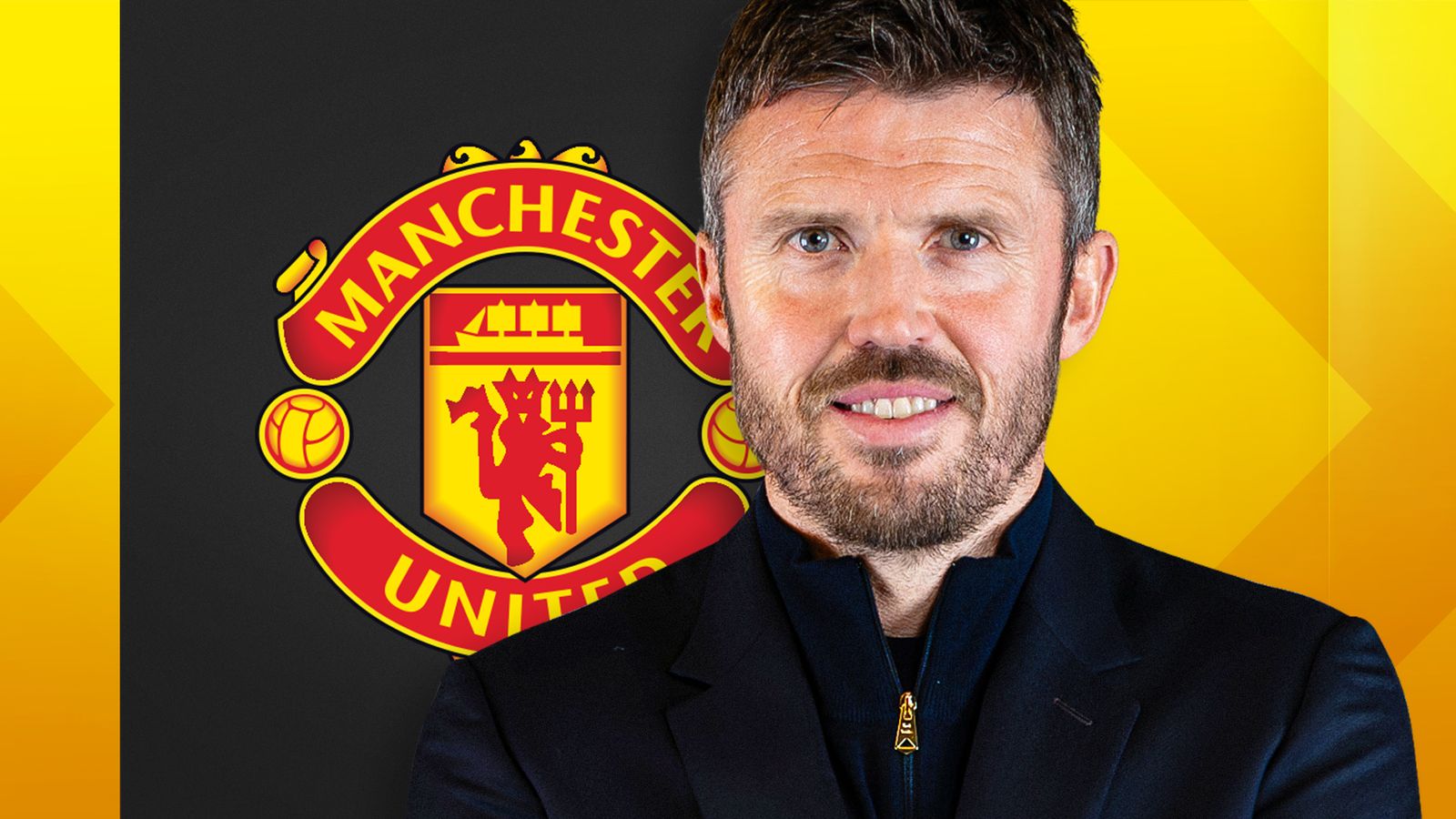
The De Ligt disaster at Old Trafford
Matthijs de Ligt is facing a grueling six-month recovery timeline following surgery to address a persistent back issue. The procedure, reported by the Daily Mail, follows a period of mismanagement that kept the defender sidelined since late November. What was originally projected as a minor, one-game setback has devolved into an entire half-year of medical limbo.
The implications for Manchester United are severe. De Ligt is now effectively ruled out for the remainder of the 2026 campaign and faces a high probability of missing the start of the next season. The club will have to navigate a summer transfer market with a starting center-back compromised by a major orthopedic procedure.
A failure of transparency
This situation highlights a recurring pattern of opaque injury reporting at top-flight clubs. When a medical staff describes a back problem as a one-match absence for five consecutive months, the credibility of the reporting process vanishes. It leaves fans, stakeholders, and tactical analysts guessing at the severity of the internal health of the squad.
This is not the first time a major injury has been downplayed to protect optics or market value. In the modern Premier League, where clubs are dealing with significant financial headwinds, a six-month injury to a key asset represents a massive loss in investment performance. The reality is that the surgery was necessary to cure an issue that clearly predated their initial conservative treatment strategy.
The strategic impact
Manchester United’s defensive coordination has suffered throughout this void. Without de Ligt, managers have been forced to rotate personnel in a high-stakes position, often leading to defensive lapses. The tactical consistency required to reach the top four relies on the reliability of the backline, and they have been missing a cornerstone player for a duration that exceeds the time required for most muscle repairs.
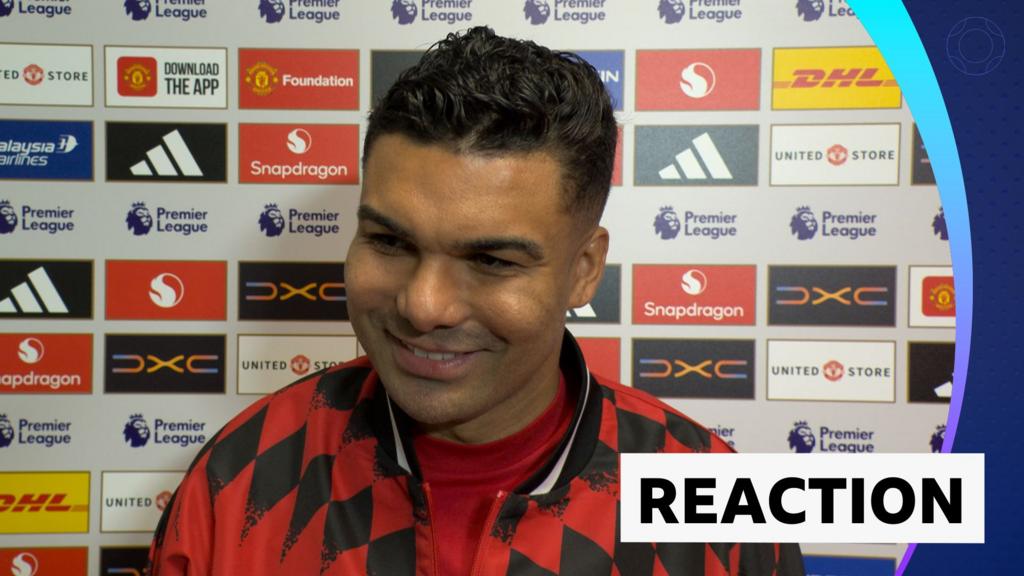
Critics point to this as evidence of a wider decay in the club’s sporting operations. When players are forced to go public or endure months of uncertainty, the discourse inevitably turns toward the competence of the personnel handling the rehab. It is a messy end to a season that was already defined by erratic form and public spats between players and media pundits, such as the recent row involving Casemiro and Jamie Carragher.
Broader injury trends
The league has seen an uptick in complex, long-term recoveries. The sheer volume of matches in the modern calendar creates a reality where minor issues are rarely given time to heal correctly. Instead, players are often rushed back for fixtures that the medical team deems essential, leads to secondary issues that ultimately require the exact surgery de Ligt underwent this week.
While the focus is currently on the fallout at Old Trafford, the trend poses a threat to the standard of high-level football. Teams are beginning to treat player health as a disposable resource rather than a long-term asset to be preserved. If this continues, the frequency of six-month injury absences will continue to climb as load management becomes a secondary concern to short-term results.
Looking ahead
Manchester United must focus on the upcoming off-season. They have players across the league returning to fitness just in time for the final sprint, but de Ligt is absent from that conversation. The total window of recovery, starting from their initial November absence, means the player will have been out of competitive action for roughly 210 days by the time he is eligible to return to full training.
The decision to hold off on surgery for this long is the definitive mistake. By delaying the intervention, the club has likely forfeited the possibility of a return for the 2026-27 opening fixtures. Expect United to enter the market for defensive cover, as relying on a post-surgical recovery for a player of his profile comes with significant risk of re-injury. The medical report is clear: this was a avoidable long-term absence that leaves them vulnerable for the summer.
Read Next