The Big Picture
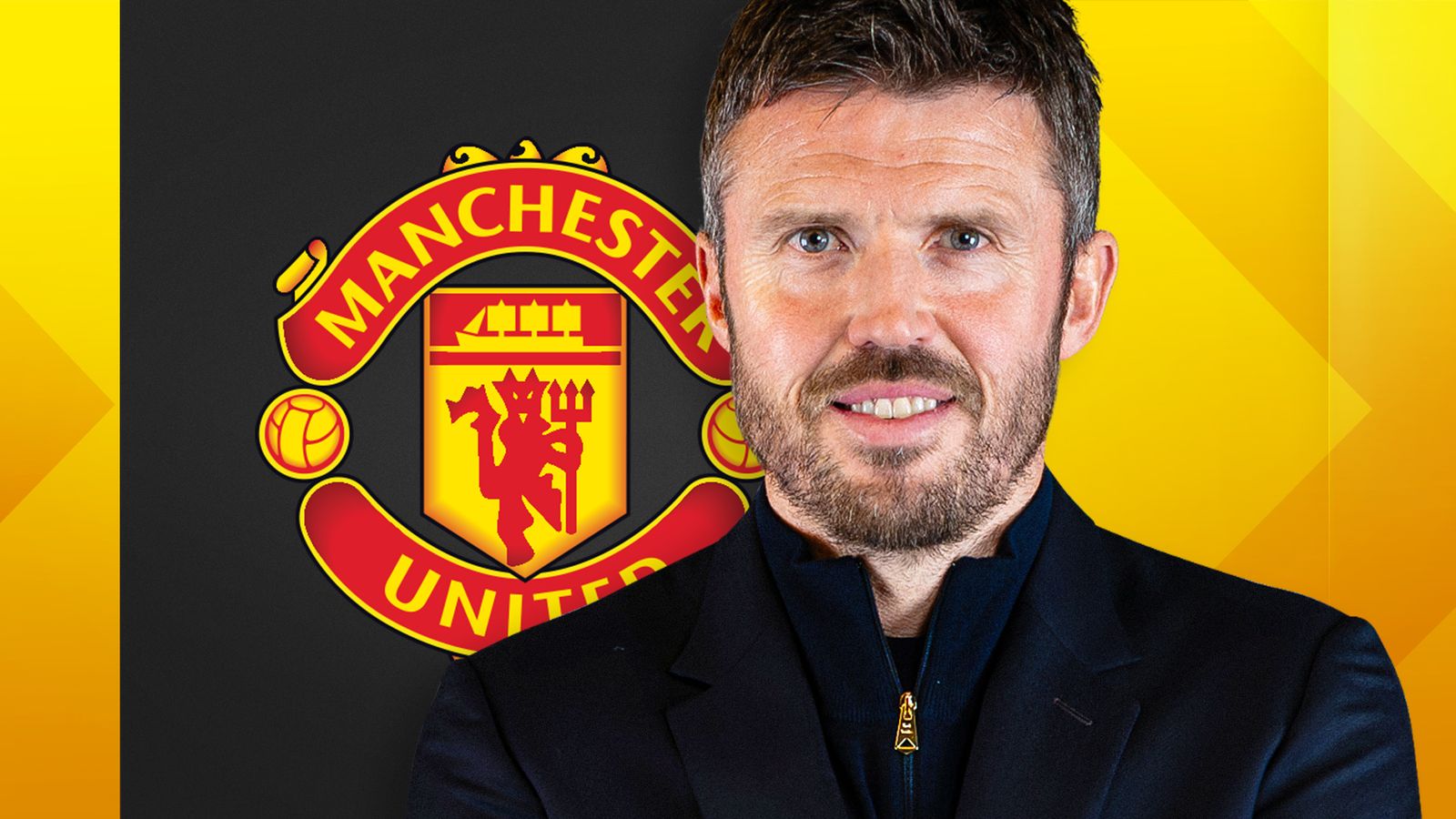
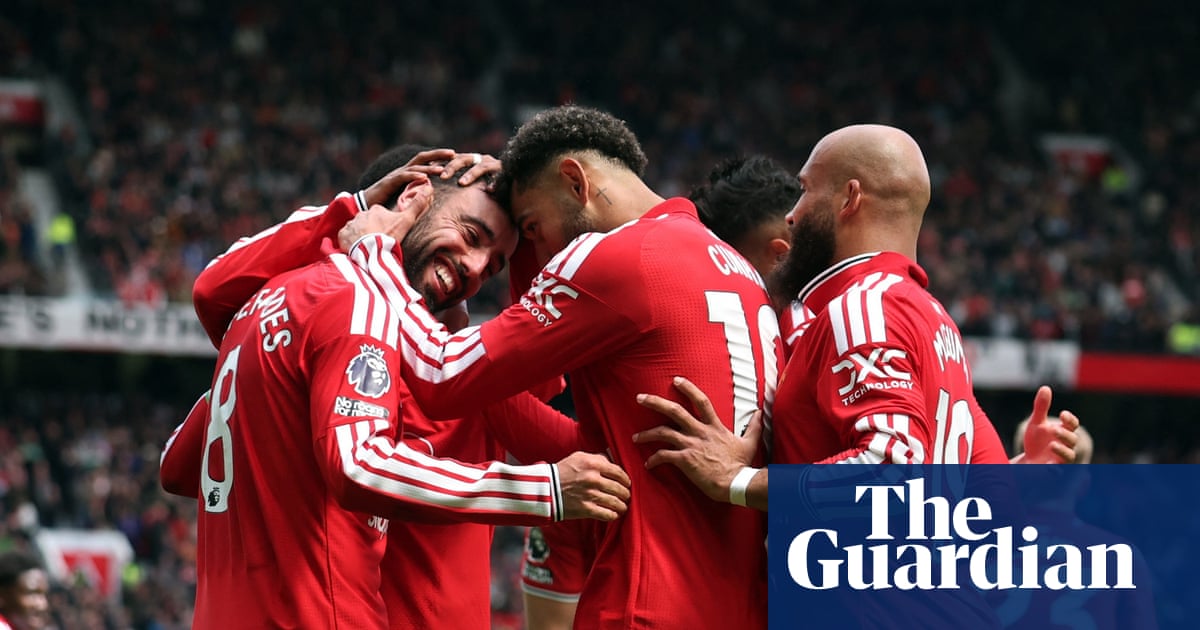
Manchester United closed their home campaign with a 3-1 victory over Nottingham Forest, but the scenes in the treatment room are far less celebratory than the atmosphere on the pitch. While Casemiro took a final lap of honour at Old Trafford, manager Michael Carrick is left piecing together a squad that looks increasingly fragile ahead of the summer. The win secures European football, but the cost to the roster has been heavy.
The headline blow is the loss of Matthijs de Ligt. The Dutch defender has undergone significant back surgery following a collapse in his mobility over the last fortnight. Medical staff at Carrington initially hoped for a conservative recovery path, but the situation deteriorated rapidly, forcing an immediate intervention. He is now expected to be sidelined for at least three months, effectively ruling him out of any pre-season activity.
Meanwhile, Nottingham Forest arrived in Manchester having already secured their top-flight survival, which is fortunate given the state of their defensive line. Vítor Pereira is currently managing a squad that resembles a field hospital more than a football team. With five senior defenders unavailable, the structural integrity of the Forest backline has reached a breaking point that was exposed repeatedly throughout the ninety minutes on Sunday afternoon.
United's Forward Momentum Stalled
Benjamin Šeško was the notable omission from the teamsheet, a decision Carrick described as forced by a persistent shin injury. The Slovenian striker has been the focal point of United's attack this term, but he has been playing through significant discomfort since the clash with Liverpool. Scans earlier this week revealed inflammation that could risk a stress fracture if left unaddressed. Carrick confirmed after the game that Šeško is not 100 per cent and the club will not risk a long-term setback.
"We have to be smart with Ben. He's been an absolute warrior for us this season, but the data showed he was reaching a red zone where a minor knock becomes a six-month problem."
This caution is understandable given the De Ligt situation. Back surgery for a centre-back in his mid-twenties is a high-stakes gamble. Historical data on similar procedures suggests a varying success rate for players who rely on explosive lateral movement and aerial duels. United are gambling that this fix provides long-term stability rather than a recurring weakness in their defensive spine. It leaves them thin on the ground just as the transfer window is about to swing open.
Forest's Defensive Collapse
The crisis at the City Ground is more acute but perhaps less permanent. The absence of Murillo and Ola Aina stripped Forest of their primary pace in recovery. Murillo's thigh issue is a classic end-of-season fatigue injury, the result of a high-intensity system that has asked too much of his physical capacity. When combined with the knee cartilage damage suffered by John Victor, the Forest recruitment team is now staring at a required overhaul of their entire defensive unit.
Morgan Gibbs-White provided the most striking visual of the day, appearing in a protective facial mask following a collision in the previous match against Chelsea. While he was cleared to play, his movement looked restricted, and he lacked the usual zip in his creative play. It is a reminder of the fine margins in professional fitness; even a minor orbital fracture can throw off a player's spatial awareness and confidence in the challenge.
The most devastating news for the visitors remains the status of Callum Hudson-Odoi. His thigh injury is severe enough to keep him out until mid-summer, ending any slim hopes he had of making a late charge into the international setup for the upcoming June fixtures. For a player whose career has been defined by overcoming major physical hurdles, this latest setback feels particularly cruel at a time when he was rediscovering his best form.
Strategic Implications
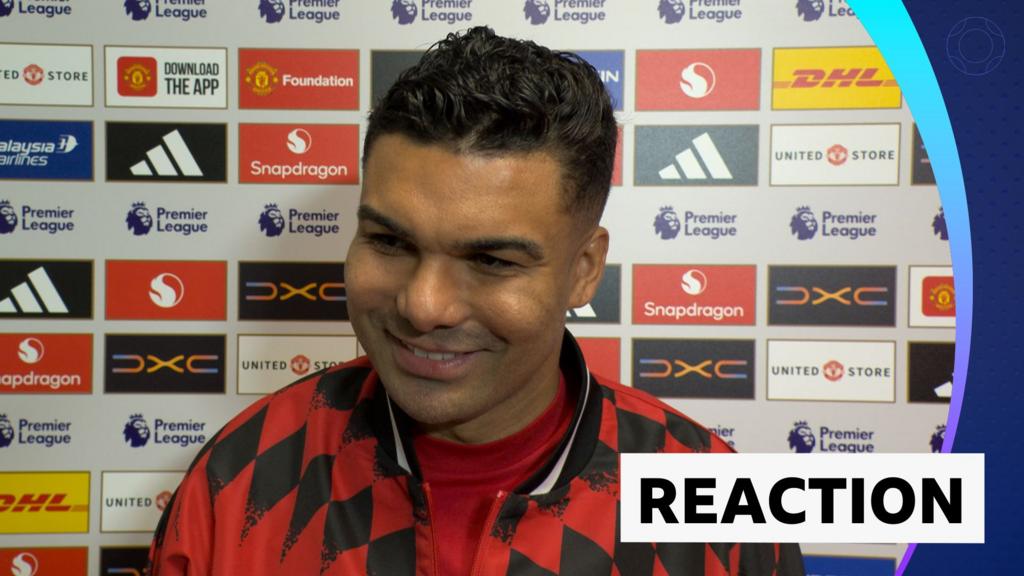
Casemiro's return from a minor knock provided a veteran presence that United desperately needed to navigate the Forest match. His post-match reflections carried the weight of a player who knows his body is reaching its limit at this level. The 34-year-old Brazilian has struggled with the recovery cycles of the Premier League, and while his technical quality remains undisputed, his mobility has become a tactical liability that Carrick has had to hide through clever positioning of Manuel Ugarte.
Ugarte himself returned from a back issue today, looking sharp but clearly managed. The medical staff are monitoring his load closely, as he is expected to be the primary engine in midfield once Casemiro departs. The transition is necessary but risky. United are moving away from the veteran experience that provides a floor for their performances, instead betting on a younger, more injury-prone core that has yet to prove it can handle a fifty-game season without breaking down.
The broader impact on the industry is clear: the demands of the 2025-26 calendar have pushed squads to their absolute limit. We are seeing a spike in soft tissue injuries and stress-related fractures across the league. United’s medical department will face intense scrutiny this summer. When a club with their resources loses two key starters to surgery and chronic inflammation in the final month of the season, it suggests a failure in the preventative protocols that were supposed to be the hallmark of the new ownership's regime.
Historical context isn't kind to United here. Previous seasons where they have limped over the finish line have often led to slow starts in the following campaign. Without De Ligt for pre-season and with Šeško’s availability in question for the summer internationals, the coaching staff will have to get creative. They are essentially starting their 2026-27 preparation with a £150m hole in their starting eleven. That is a deficit that even the most optimistic fan will find hard to ignore as the World Cup approaches.
For Nottingham Forest, the goal is simple: rebuild the medical department. They have suffered more days lost to injury than any other club in the bottom half of the table this year. The knee injuries to Boly and Savona were perhaps unavoidable impact incidents, but the recurring muscular problems for Aina and Hudson-Odoi point to a systemic issue in how they manage high-speed players. Survival is a success, but this level of attrition is unsustainable for a club that wants to do more than just exist in the top flight.
Read Next
- United fans are fiercely divided over Casemiro's return to form
- Michael Carrick's chaotic United finish third by accident
- Top 10: The Definitive Manchester United Flashpoints of 2025-2026
- Bruno Fernandes hits 20 assists as Man United stumble into third place
- 🏆 Europa League Final 2026 — Full Coverage Hub