The Stamford Bridge Statement
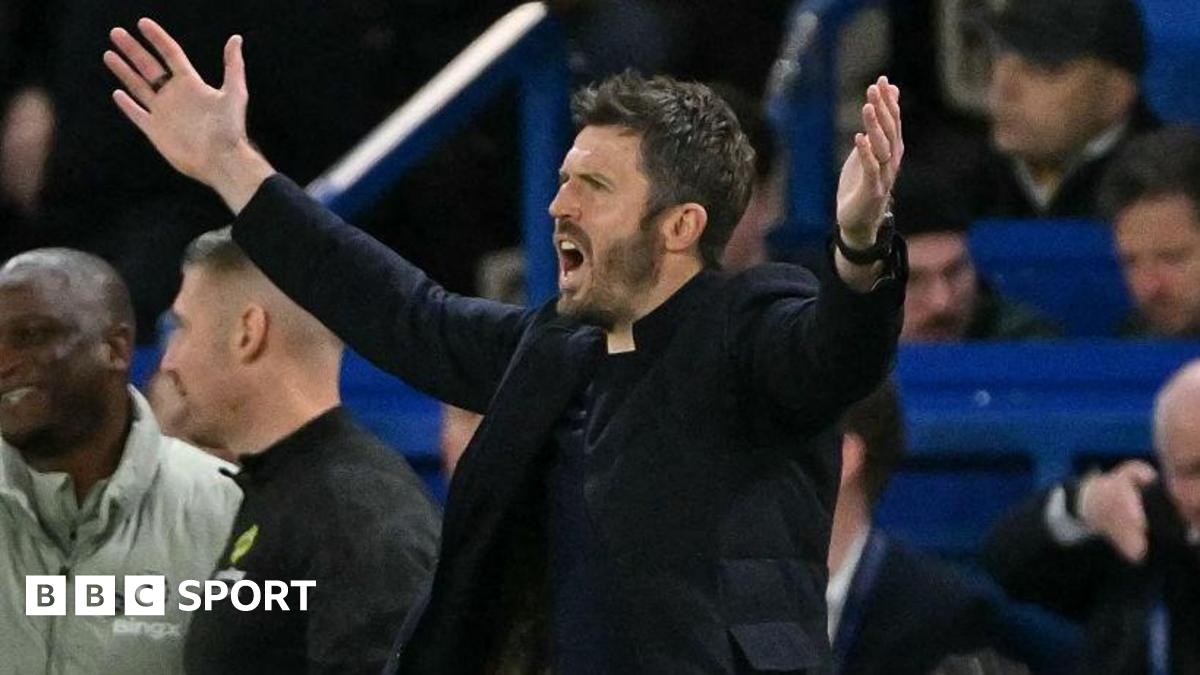
Manchester United’s 1-0 win at Stamford Bridge on April 17 was a cold, clinical demolition of Chelsea’s late-season tactical ambitions. In a match defined by tactical patience, United navigated a hostile environment with the poise of a side that knows exactly how many points it needs to silence the doubters.
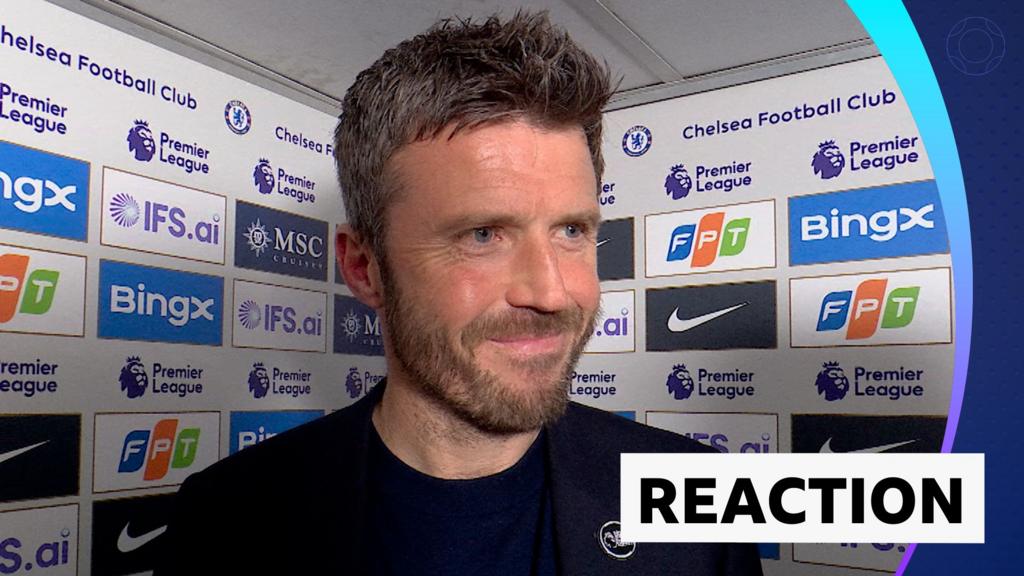
Michael Carrick, who has steadied the ship with surgical precision, kept his post-match comments grounded. He knows the math better than anyone, but he is refusing to let the dressing room buy into the hype just yet. The gap to sixth place is now 10 points, putting United in a commanding spot to secure Champions League football for next season.
I'm not getting carried away. We have given ourselves a good position, but there are still games to play and points to fight for.
A Tactical Shift in London
Carrick’s approach at the Bridge was a masterclass in risk management. By packing the midfield, United stripped Chelsea of the space they usually enjoy in transition. The result was a suffocating defensive display that kept the home crowd quiet for long stretches, eventually forcing the mistake that led to the game’s lone goal.
There is a recurring question regarding whether this team can maintain this intensity through the final stretch, especially with the Champions League race nearing its conclusion. While the current form is difficult to argue with, the squad’s reliance on a narrow rotation could be a ticking time bomb. Relying on the same core group as the calendar turns toward May often leaves managers scrambling for bench options when fatigue hits.
What Changes Before the Finish Line
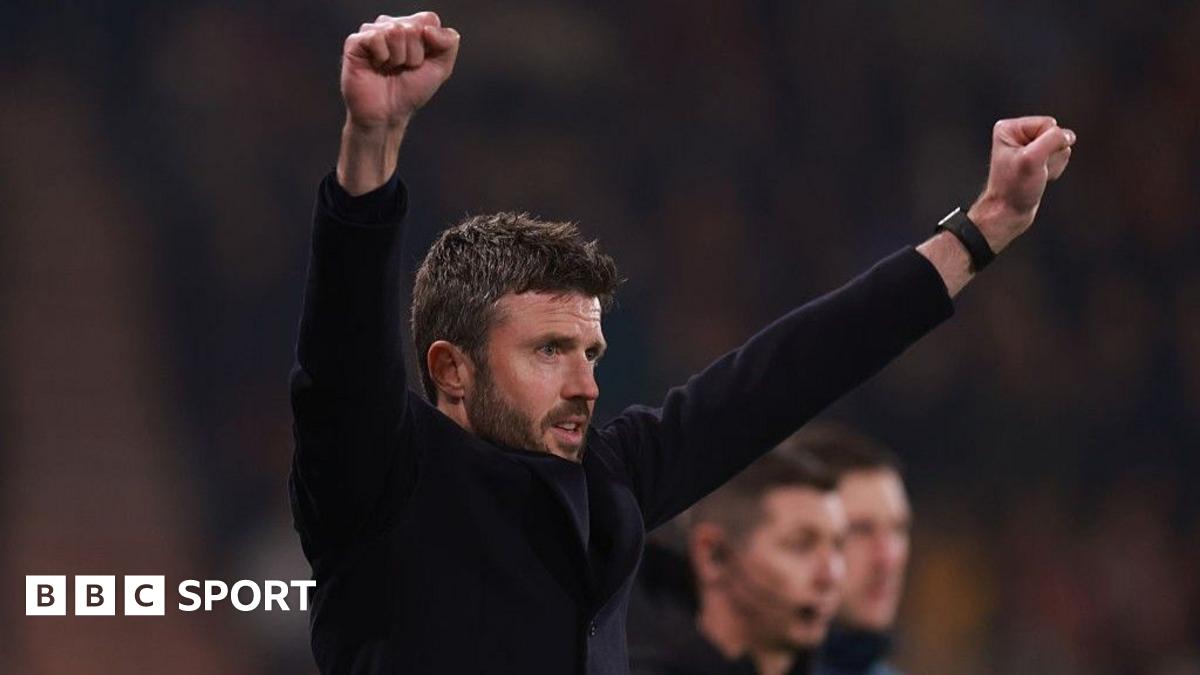
Carrick has managed to extract consistent defensive discipline from a group that looked scattered just a few months ago. The shift from an open, erratic side to one that closes down passing lanes with collective purpose suggests he has finally found a system the players trust. The 1-0 scoreline was not a lucky break; it was the product of a clear game plan executed without vanity.
Critics will point out that Chelsea looked disjointed rather than unlucky, and that is a fair assessment. However, elite teams are defined by their ability to capitalize on an opponent's internal chaos. If United continues this trajectory, they won't just hit the top four; they will do it with enough cushion to avoid the usual final-day jitters that have haunted this club for years.
The path forward is transparent. With the upcoming schedule demanding focus before the summer break, Carrick’s insistence on staying humble is his greatest asset. He is avoiding the trap of looking at the table as a finished product. For a squad that has struggled with consistency, that focus is the only way to avoid a late-season collapse that would surely turn the fan base against the current direction.
The club sits in a strong position, but we have seen this script turn sour before. The reliance on individual sparks rather than overwhelming offensive firepower remains a concern for supporters who want to see more than just defensive pragmatism. If they can find an extra gear when the final whistle closes out the campaign, this season will be viewed as a success. If they go flat, the sting of a top-four miss will be intensified by how close they had this within their grasp.
Carrick understands that holding the position is often harder than earning it. As we look ahead, the test will be how they handle expectation against sides lower in the table that now have nothing to lose and everything to prove. Every game from here until late May effectively functions as a cup final for a team trying to prove it belongs at the high table of European football.