Tier 2: The Carrick tactical pivot
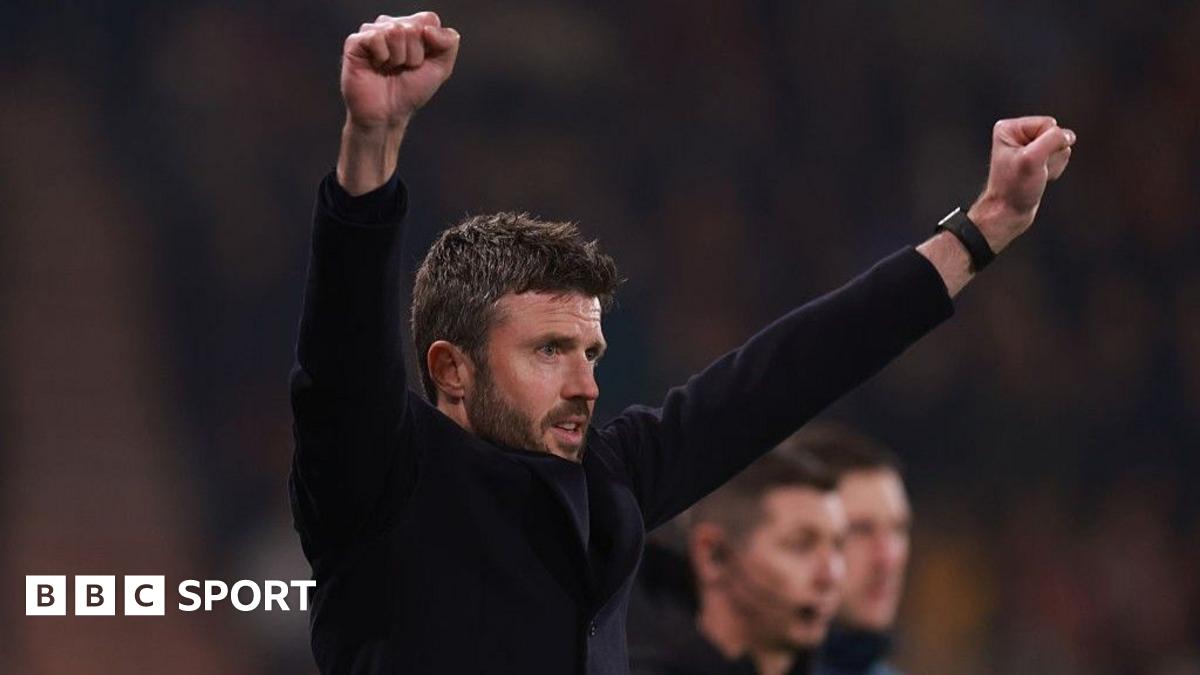
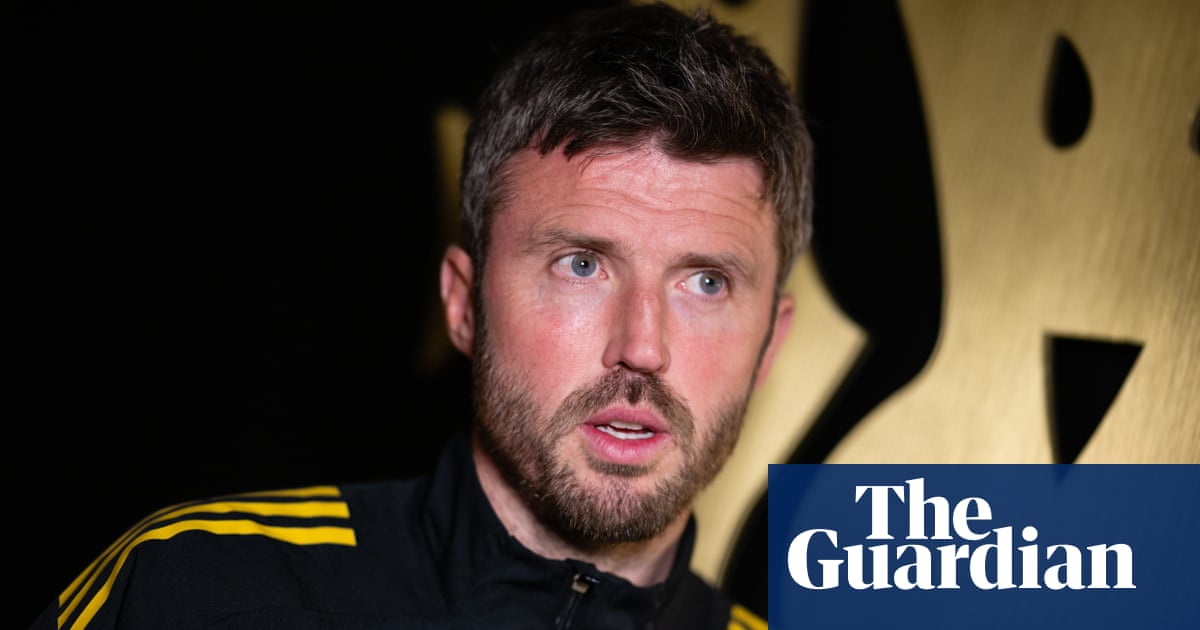
Multiple reports from The Guardian and Daily Mail confirm that Manchester United’s interim manager, Michael Carrick, has significantly stabilized the club’s trajectory. With the victory over Brentford pulling the team to within two points of securing Champions League football, the dressing room narrative has shifted from crisis to consistency. Carrick’s ability to manage player expectations during this transition has been the primary driver of internal calm.
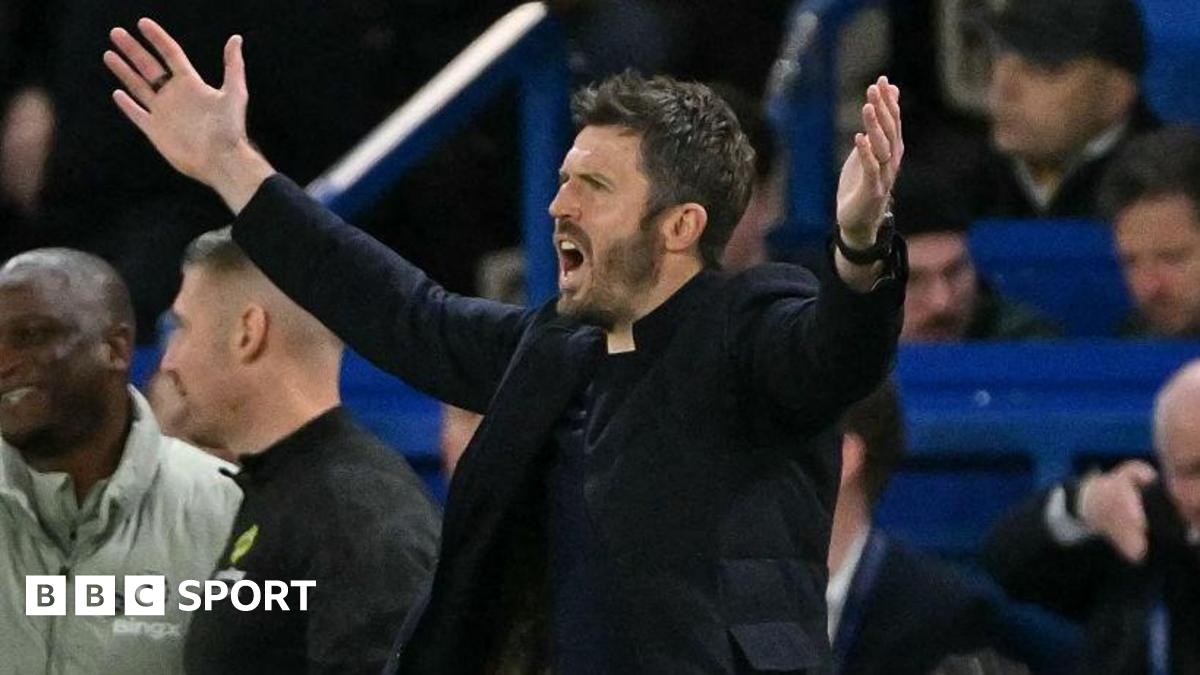
Tactically, the most intriguing development is the adoption of a system featuring a three-man defensive line. During the Brentford match, Carrick deployed this structure, which has drawn comparisons to the contentious methods associated with Ruben Amorim. It is a bold departure from traditional United setups. The defensive stability provided by this change helped facilitate goals from Casemiro—his ninth of the season—and Benjamin Sesko, who continues to prove his worth as an elite finisher.
The squad profile and recruitment optics
The success of the current system raises questions about long-term personnel. Nathan Salt, reporting for the Daily Mail, has highlighted that the club’s recent recruitment has finally centered on utility and tactical reliability rather than marquee glamor. This aligns with the broader club objective: ensuring the recruitment team remains aligned with the manager’s vision for a high-press, high-possession game.
However, the transition is not without its risks. The reliance on a defensive back-three requires immense physical output from the wing-backs, a position that has remained a weak point throughout the campaign. If United cannot source high-caliber, dynamic wide players this summer, the system will eventually hit a ceiling. Over-reliance on internal pivots in the final third remains a gamble.
Probability and external factors
The probability of Michael Carrick securing the permanent role remains high, provided United completes the Champions League qualification. Sources indicate the board views the recent run as more than a mere 'bounce' effect. The timeline for an official announcement is expected to follow the final league standings, likely in late May, following the conclusion of the Champions League final on May 30.
Should the deal materialize, the impact will be felt immediately in the transfer market. Carrick has already signaled that he wants clarity on incomings before the 2026 World Cup preparation begins in June. The club is moving away from the chaotic recruitment cycles of the past four years, favoring a streamlined approach that prioritizes specific positional requirements over inflated market valuations.
Critical assessment of the project
While the recent results demonstrate a clear upward trend, the lingering issue remains the club's dependency on the 3-4-3 style. It is a rigid structure that offers little room for error. Should an opposition manager solve the high press of the wing-backs, United’s defensive transition looks slow. Furthermore, the club is still navigating the fallout of previous, less coherent scouting missions, which limits the available budget for the upcoming window. The expectation is that United will have to offload at least two high-earners before they can finalize the defensive reinforcements needed to make this system title-worthy.
Read Next
- Manchester United's defensive depth chart takes a hit in final stretch
- Man United’s win over Brentford was barely a victory worth celebrating
- Top 10: The Season’s Definitive Flashpoints
- Why Man Utd's midfield overhaul faces a brutal test against Bayern Munich
- ⭐ UCL 2026 — Champions League Quarter-Finals Hub