The Interim Tag Finally Comes Off
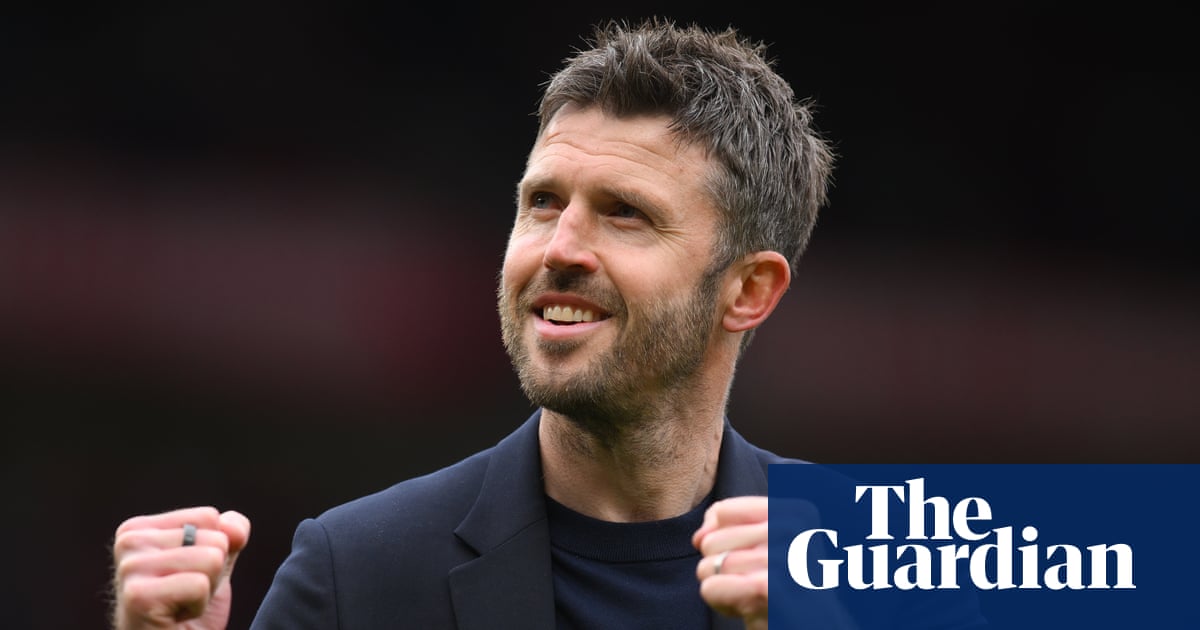
The smoke rising from Carrington this morning is white. After months of speculation and a localized frenzy regarding the long-term direction of the dugout, Manchester United have finally made their move. Michael Carrick, the man who stepped into the wreckage of a mid-season collapse and steered the club back into the European elite, is being offered the permanent head coach role. It is a decision that feels both inevitable and fraught with the kind of nostalgic risk that has defined the post-Ferguson era.
United officials have reportedly prepared a contract that would see Carrick lead the club into the 2026/27 campaign. The move comes directly on the heels of the club securing Champions League qualification, a feat that seemed mathematically impossible back in November. While the Glazer era was defined by erratic swings in strategy, the INEOS regime under Sir Jim Ratcliffe appears to be betting on the stability and quiet authority that Carrick has radiated since taking the reigns. This isn't just a reward for results; it is a full-scale endorsement of a specific culture.
As The Guardian reported this morning, talks are expected to move quickly. Carrick has been famously tight-lipped about his future, often deflecting questions about the "permanent" tag to focus on the next three points. But with the primary objective achieved, the board has seen enough to stop looking at Nagelsmann or the various available Italian tacticians. They want the man who understands the carpet at Old Trafford better than anyone else currently on the market.
The Matheus Cunha Endorsement
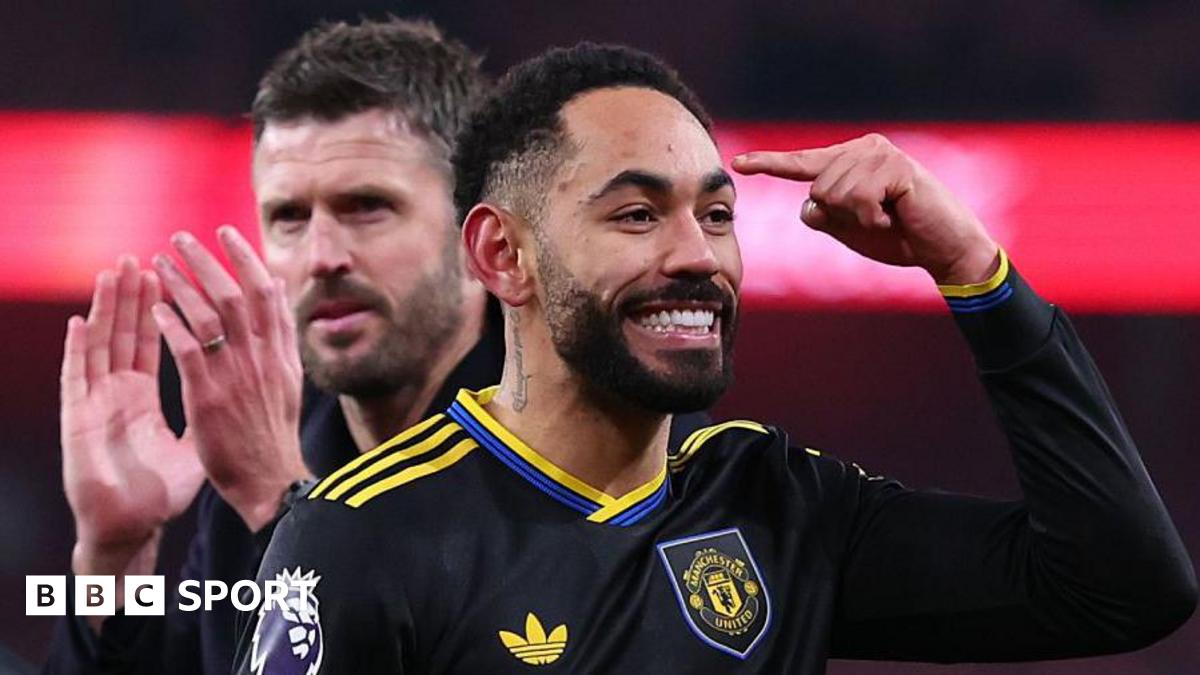
Perhaps the most revealing insight into why this is happening came from Matheus Cunha. The Brazilian, who has undergone a career renaissance under Carrick's tutelage, didn't hold back when asked about the atmosphere in the dressing room. Cunha has been the focal point of a rejuvenated attack, finding pockets of space that simply weren't there under the previous regime. His testimony carries weight because he represents the high-skill, high-IQ player profile that United have struggled to integrate for a decade.
"There is a feeling when you walk into the building now. It is hard to explain to people who are not here every day, but Michael has this Ferguson-era magic. He doesn't need to shout. He just looks at the game and knows where the space is going to open up before it happens. We play with a freedom that was missing for a long time."
Cunha’s mention of "Ferguson-era magic" will send shivers down the spines of United traditionalists, but it also serves as a warning. We have heard this story before. Every manager since 2013 has been measured against the shadow of the Scotsman, and usually, that comparison ends in a messy divorce and a £15 million severance package. The difference this time, according to those close to the training ground, is that Carrick isn't trying to mimic the past. He is simply applying the standards he learned during his own trophy-laden playing career.
The "magic" Cunha refers to is likely the tactical clarity that Carrick has brought to the midfield. For years, United's engine room was a chaotic mess of over-extended pivots and disconnected wingers. Carrick has simplified the roles. He has turned Kobbie Mainoo into a tempo-controlling monster and allowed Cunha the license to drift. It is a sophisticated, understated approach to coaching that mirrors the way Carrick used to play. He sees the game in slow motion, and he is teaching this young squad to do the same.
The Tactical Evolution and the Skeptic's View
To understand why Carrick succeeded where his predecessor failed, you have to look at the defensive structure. United are no longer a team that relies solely on the individual brilliance of a goalkeeper or a last-ditch tackle from a frustrated center-back. They are compact. They hunt in small, controlled bursts. The transition from a chaotic high-press to a mid-block that actually functions has been the hallmark of the Carrick interim period. He has prioritized the structural integrity of the team over the egos of the superstars.
However, it wouldn't be Manchester United without a healthy dose of skepticism. For every fan celebrating the return of "one of our own," there is a critic pointing at the ghost of Ole Gunnar Solskjaer. The parallels are uncomfortable. A former player comes in, stabilizes a sinking ship, wins the hearts of the players, and gets the job permanently based on a wave of good feeling and a top-four finish. We know how that movie ended. The fear is that Carrick, like Ole, might lack the tactical depth to compete with the likes of Pep Guardiola or Mikel Arteta over a 38-game marathon.
Critics will point to the 2-0 loss against Liverpool last month as evidence of Carrick's ceiling. When the tactical chess match reached its peak, United looked toothless. They were organized, yes, but they lacked the "Plan B" required to break down a truly elite European side. Is Carrick a world-class strategist, or is he simply a very good man-manager who has benefitted from a standard "new manager bounce" that has lasted longer than expected? That is the question that will define the next eighteen months of the club's history.
The Financial Stakes of 2026
Qualifying for the Champions League isn't just a sporting achievement in the current climate; it is a fiscal necessity. With the expanded format and the increased revenue from global broadcasting rights, United were looking at a £60 million hole in their budget if they had finished outside the top four. That money is now earmarked for a summer overhaul that Carrick will reportedly oversee. The recruitment team, now led by Dan Ashworth, is already identifying targets that fit the "Carrick Profile": young, technical, and versatile.
There is also the matter of the squad's age profile. Carrick has shown a ruthless streak that many didn't expect from the mild-mannered Geordie. He has benched senior internationals in favor of academy products who are willing to follow his instructions to the letter. This internal meritocracy has done more to fix the dressing room culture than any boardroom PowerPoint presentation ever could. If you don't track back, you don't play. It is a simple rule, but one that was ignored at Old Trafford for far too long.
The upcoming summer window will be the first real test of this new alliance between the coaching staff and the sporting directors. United need a world-class number six and another reliable goalscorer to take the pressure off Cunha and Hojlund. If the board backs Carrick with the £150 million war chest being rumored in some circles, there will be no more excuses. The honeymoon phase is over the moment that contract is signed.
Looking Toward the UCL and Beyond
The timing of this offer is no coincidence. With the Champions League Semi-Finals Leg 2 kicking off tomorrow, the football world is currently obsessed with the pinnacle of the European game. By moving now, United are signaling that they belong back in that conversation. They are tired of being the club that watches the big Tuesday and Wednesday nights from the sofa. They want to be the team causing the chaos, not the one reporting on it.
Carrick’s appointment is a gamble on temperament. In an era where managers like Klopp and Conte have turned the touchline into a theater of performative rage, Carrick is a throwback to a calmer style of leadership. He is the guy in the well-tailored suit who barely raises his voice because he doesn't have to. His players respect him because he has been there and won everything. They listen to him because his instructions actually work on the pitch.
But the pressure at Manchester United is a unique beast. It has swallowed up bigger personalities than Michael Carrick. The moment a string of results goes the wrong way, the " Ferguson-era magic" will be dismissed as a fluke, and the calls for a "proven" winner will return. Carrick is stepping into the most scrutinized job in world sports with a permanent contract and a target on his back. He has done the hard work of saving the season; now he has the even harder task of building a dynasty.
The announcement is expected before the final whistle of the current campaign. It is a new era for United, one built on the quiet intelligence of a man who spent his playing days making everyone else look better. Now, he has to prove he can do the same from the technical area. The stakes are Champions League nights and the soul of the club. Carrick has the ball; let's see what he does with it.