The Interim Trap
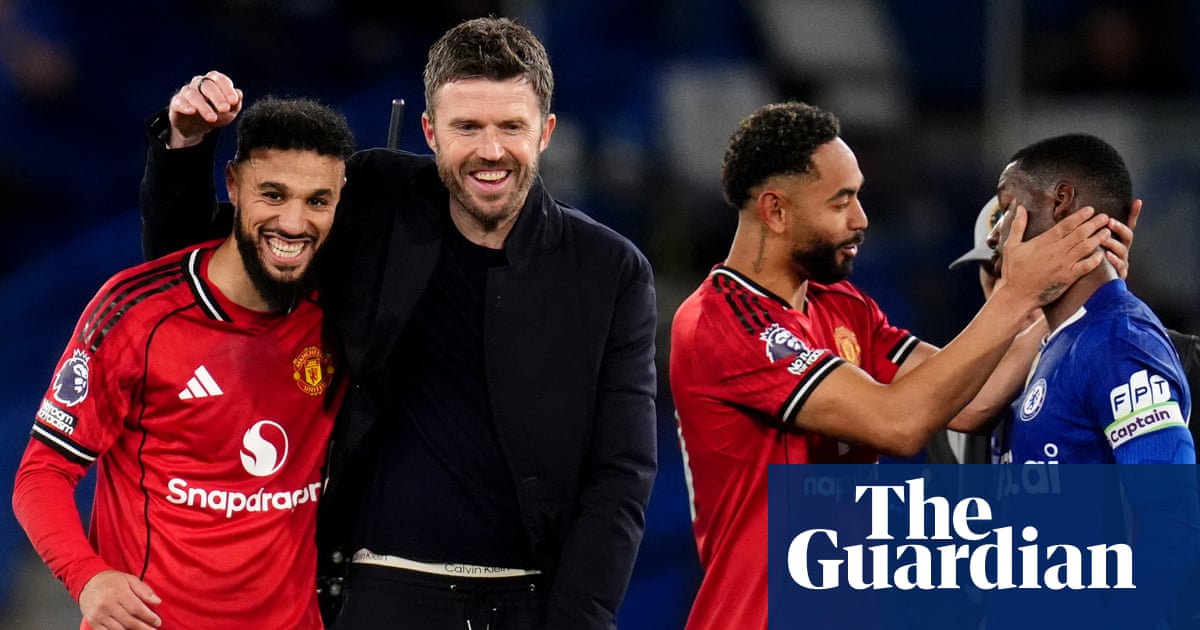
Michael Carrick is the calm at the center of the storm. Manchester United's interim manager is moving ever closer to being appointed the seventh permanent leader of the post-Sir Alex Ferguson era. According to Jamie Jackson in The Guardian, the job is entirely his to lose. He has the team closing in on Champions League qualification, a feat that felt improbable just months ago.
But Old Trafford is a graveyard for managerial reputations. We have seen this exact script play out before. A former club legend steps in to stabilize a sinking ship. The mood instantly lifts. Results improve. The board, desperate for a feel-good story, hands over a permanent contract. Then the honeymoon ends, and the reality of a deeply flawed football operation sets in.
This is the central dilemma facing the Manchester United hierarchy as April draws to a close. Carrick has undoubtedly earned the right to be in the conversation. He has stripped away the tactical confusion that plagued the previous regime. The players look liberated. The results speak for themselves. Securing a spot in Europe's elite competition next season would be a massive financial and sporting boost for the club.
The Ghost of Solskjaer
Yet, a glaring unknown remains. How will Carrick cope with a prolonged dip in form? Managing Manchester United when the team is riding a wave of momentum is one thing. Managing the club when results turn sour, when the media turns hostile, and when the dressing room begins to fracture is an entirely different beast.
Job is his to lose after closing in on Champions League but unknown is how will the manager cope with a dip in form.
Carrick's current calm demeanor is a major asset right now. It provides a stark contrast to the chaotic final days of previous managers. However, calmness can easily be interpreted as a lack of authority or passion when a team is losing. When the inevitable bad run happens, does Carrick have the tactical ruthlessness to drop star players? Does he have the sheer force of personality to demand better standards?
To understand the risk, we have to look at the ghosts of Old Trafford past. The post-Ferguson era is littered with false dawns, expensive mistakes, and shattered reputations. David Moyes was given the impossible task of following the greatest manager in British football history and lasted less than ten months. Louis van Gaal brought discipline and an FA Cup but suffocated the team's attacking identity with ponderous possession. Jose Mourinho delivered trophies but left behind a fractured dressing room.
Then came Ole Gunnar Solskjaer. The Norwegian's tenure is the most direct parallel to Carrick's current situation. Solskjaer initially took over on an interim basis following Mourinho's unceremonious exit. He immediately lifted the gloom. He went on an incredible winning run, famously defeating Paris Saint-Germain in the Champions League. The clamor to give him the job permanently was deafening.
The board caved. Solskjaer signed a long-term deal. But the fundamental issues with squad building and the club's structure remained unaddressed. When the initial momentum faded, Solskjaer struggled to implement a sustainable tactical system. The end was painful and drawn out.
Tactical Doubts Remain
Once a permanent contract is signed, the dynamic shifts completely. Every decision is heavily scrutinized. A couple of bad results escalate into a full-blown crisis. The media narrative changes from "steadying the ship" to "lacking tactical depth."
The Guardian report rightfully points out that the job is his to lose. If Carrick secures Champions League football, the pressure to appoint him will be massive. The financial windfall of playing in Europe’s premier competition cannot be overstated. Qualifying means more money for squad rebuilding, a necessity regardless of who is in the dugout next August.
But the hierarchy must separate emotion from logic. They need to evaluate Carrick based on his overall tactical philosophy, his ability to develop young players, and his long-term vision for the team. Can he build a side capable of consistently dominating possession against deep blocks? Can he construct a pressing system that rivals Arsenal or Manchester City?
Furthermore, the club's new sporting structure needs to ensure that they are not just appointing a manager, but integrating a head coach into a broader system. Dan Ashworth and Omar Berrada were brought in precisely to prevent emotional appointments. The days of the omnipotent manager are over. Carrick would need to work seamlessly with a sporting director and a recruitment team that dictate the overarching philosophy.
His lack of experience in building a squad from scratch, identifying hidden gems, and ruthlessly discarding underperforming veterans is a significant concern. Has he proven he can drop a struggling Marcus Rashford or phase out an aging Casemiro? The remaining Premier League fixtures will test Carrick's tactical flexibility. Opponents will start to figure out his preferred patterns of play.
The Small Margins
They will set traps in midfield to isolate Kobbie Mainoo. They will double-team Alejandro Garnacho on the flanks. How Carrick responds to these tactical challenges will reveal far more about his managerial credentials than the initial winning streak.
A critical observation must be made regarding his in-game management. While his starting game plans have been effective, the team has looked incredibly vulnerable when defending narrow leads late in matches. The timing and impact of his substitutions have occasionally been questionable.
There have been times when the midfield has been overrun in the final twenty minutes, yet the tactical adjustments from the touchline have been too slow or entirely absent. Against elite opposition, these small margins dictate the outcome of seasons. He cannot simply rely on the individual brilliance of Bruno Fernandes to bail the team out every weekend.
If Manchester United are truly serious about returning to the summit of English and European football, they must look beyond the immediate results. They need a ruthless, objective assessment of Carrick's capabilities. A late surge into the top four is impressive, but it does not guarantee future success when the slate is wiped clean in August.
The allure of the club legend leading the team to glory is incredibly romantic. It fits perfectly into the Manchester United mythology, echoing the era of Sir Matt Busby and Ferguson himself. But modern elite football does not care about romance. It is a brutal, unforgiving environment where structural competence and elite tactical acumen are the only currencies that matter.
Michael Carrick has done an exceptional job stabilizing Manchester United. He stepped into a fractured environment and restored a sense of dignity and purpose. He deserves immense credit for navigating a difficult period with grace and intelligence.
However, the decision to appoint him permanently should not be a foregone conclusion. The club must proceed with extreme caution. The history of the post-Ferguson era demands it. Until he proves he can navigate a severe crisis and tactically outmaneuver the best coaches in the division, the doubts will inevitably persist. The worst thing Manchester United could do right now is let a temporary high dictate a long-term future.