The Mirage of the Interim Bounce
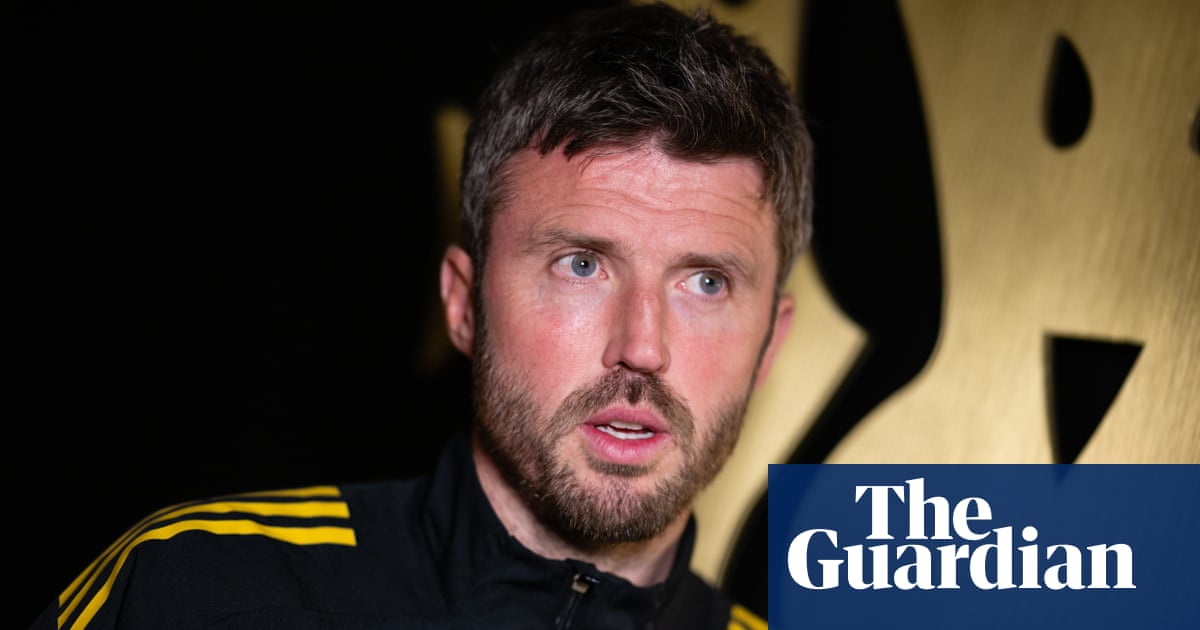
Today is April 24, 2026, and Manchester United find themselves in a position that has become a recurring nightmare for the Old Trafford faithful. Michael Carrick is currently sitting in the interim chair, a role he has occupied with a quiet, unassuming dignity since the mid-season collapse. The noise coming out of the INEOS camp, specifically via reports that Sir Jim Ratcliffe is hesitant to hand Carrick the keys permanently, is the first sign of genuine analytical rigor we have seen at this club in a decade.
Ratcliffe is right to wait. He is right to be skeptical. While the mood around Carrington has improved, the actual football has remained stubbornly mediocre. The data from the last eight matches tells a story that the league table is currently masking. United are winning games through individual moments of brilliance—a trademark of the post-Ferguson era—rather than through a repeatable, sustainable tactical system.
If you look at the 2-2 draw against Aston Villa last weekend, the structural failings were glaring. Carrick’s insistence on a double-pivot that remains static during the build-up phase is leaving the center-backs isolated. United are currently averaging 48% field tilt, which is essentially mid-table territory. They aren't controlling games; they are surviving them. This is not the blueprint of a 'best-in-class' organization.
The Tactical Ceiling of Carrick-ball
Carrick’s spell at Middlesbrough was defined by a fluid 4-2-3-1 that morphed into a 3-2-5 in possession. At United, he has attempted to transplant this philosophy, but the personnel are exposing the flaws in the design. The biggest issue is the rest-defense. When United lose the ball in the final third, they are consistently vulnerable to the straight-line counter-attack. They are currently allowing 1.42 xG against per 90 minutes, a figure that would make any serious title contender shudder.
Compare this to the elite. Manchester City and Arsenal have perfected the art of the 'high squeeze,' keeping their defensive line at an average of 58 meters from their own goal. Carrick’s United, by contrast, are dropping deep far too early, creating a cavernous gap between the midfield and the attack. It is a tactical compromise that suggests Carrick doesn't yet trust his players to execute a high-wire act, or perhaps he doesn't have the coaching staff to implement it.
Carrick is coaching like a man who knows he is one bad result away from being sent back to the analysts' room, and that caution is bleeding into the players' decision-making.
There is also the matter of pressing triggers. Under the previous regime, the press was chaotic. Under Carrick, it has become passive. United are currently ranked 12th in the Premier League for PPDA (Passes Per Defensive Action). They are essentially allowing opponents to walk into the middle third before engaging. For a club that wants to compete with the modern giants of European football, this level of passivity is a death sentence. It is the tactical equivalent of bringing a knife to a drone fight.
The INEOS Mandate and the Search for a Surgeon
Sir Jim Ratcliffe and Dan Ashworth are not interested in 'vibes' or 'club legends.' They are interested in marginal gains and elite-level execution. The hesitation regarding Carrick isn't personal; it's a recognition that United need a surgeon to fix their systemic issues, not a sedative to keep the fans quiet. We are 48 days away from the kickoff of the 2026 World Cup, and the managerial market is about to become a frenzy. If United wait until June, they will be picking through the leftovers.
The critical observation here is that United’s current recruitment strategy is finally aligning with a tactical profile. Why would you appoint a manager who is still learning his trade when specialists like Ruben Amorim or Xabi Alonso have proven they can dismantle high-level blocks with surgical precision? Appointing Carrick permanently would be a return to the 'path of least resistance' that defined the Glazer years. It is an easy out for a board that should be making hard choices.
The cost of a mistake here is astronomical. We aren't just talking about another season without a trophy; we are talking about the potential waste of a generational talent pool. The current squad is bloated with players who need specific, high-intensity instruction to thrive. Carrick’s more 'hands-off' approach might work for a veteran squad like the one he played in, but this group needs a drill sergeant who can draw the passing lanes on the grass with a ruler.
The Final Verdict
My prediction is clear: Michael Carrick will not be the Manchester United manager on the opening day of next season. The internal data at INEOS is reportedly screaming 'placeholder,' and the recent dip in performance metrics has only confirmed those fears. Ratcliffe will pull the trigger on a continental specialist—most likely a coach with a proven track record of defensive organization and high-pressing systems—by May 25, just days after the season concludes.
United fans might enjoy the nostalgia of seeing Carrick on the touchline, but nostalgia doesn't win Champions League semi-finals. The club needs to move past its obsession with its own history and start building a future based on elite-level coaching. Carrick is a fine coach and will likely have a successful career in the Championship or with a mid-tier Premier League side, but Old Trafford is currently too big a project for a man still finding his tactical identity. The honeymoon is over; it's time for the professionals to take over.
Expect an announcement soon. The search is already deep into the vetting stage, and Carrick’s interim status will remain just that—a bridge to a more sophisticated era. Anything else would be a failure of ambition from a regime that promised us the world.