
The Status Quo at Carrington
Michael Carrick remains in a professional purgatory at Carrington. Despite conducting high-level discussions with minority owner Sir Jim Ratcliffe this past Monday, the former midfielder is no closer to securing the permanent managerial seat at Old Trafford. Ratcliffe is reportedly keeping his options open and refusing to be rushed into a decision that will define the next cycle of the club's development.
This hesitation creates an atmosphere of uncertainty which ripples through the dressing room. According to reporting from the Daily Mail, Carrick has explicitly stated he will not lobby for the permanent role despite the ongoing board-level silence. He is doing the job without job security, a position that would frustrate most managers in the Premier League. The lack of clarity is exactly what the club cannot afford as they approach the summer transfer window.
A History of Spending Without Strategy
Manchester United’s current organizational drift is exacerbated by a decade-long failure in recruitment. Since Sir Alex Ferguson stepped down in 2013, the club has burned through nearly £2,000,000,000 across 75 different signings. This expenditure has yielded more disasters than successes, with recent arrivals like Antony and Andre Onana frequently appearing in bottom-tier rankings of past business, as analyzed by Football365.
The club has managed to include seven players during Ruben Amorim's tenure within that 75-player count, yet the overall hit rate remains abysmal. If Carrick is eventually handed the reins, he inherits a squad that is fundamentally unbalanced and bloated by high-wage earners who have failed to justify their fees. The financial inefficiency of the last decade is the most critical hurdle for any incoming permanent leader.
Tactical Fit and Realities
Carrick’s tenure to date shows a preference for a more measured, possession-based approach compared to the frantic transitions seen in recent years. However, the current squad is heavily constructed for a different tactical style. Integrating a new long-term identity requires a clear transfer budget and a commitment to offloading deadwood that still sits on the books from the mid-2020s.
The obvious risk here is the continued reliance on status quo solutions. When a club spends this aggressively with so little to show for it in terms of league titles or consistent Champions League progress, the board’s patience with internal candidates typically evaporates. The lack of a definitive vision makes the club a difficult sell for marquee talent this upcoming summer.
Probability and Outlook
The probability of Carrick securing a long-term contract is currently low to medium. Sir Jim Ratcliffe’s reluctance to commit suggests the club is waiting on alternative candidates who may become available post-World Cup or following the conclusion of the European domestic seasons. Carrick is essentially functioning as a placeholder until a more definitive 'big name' project can be solidified.
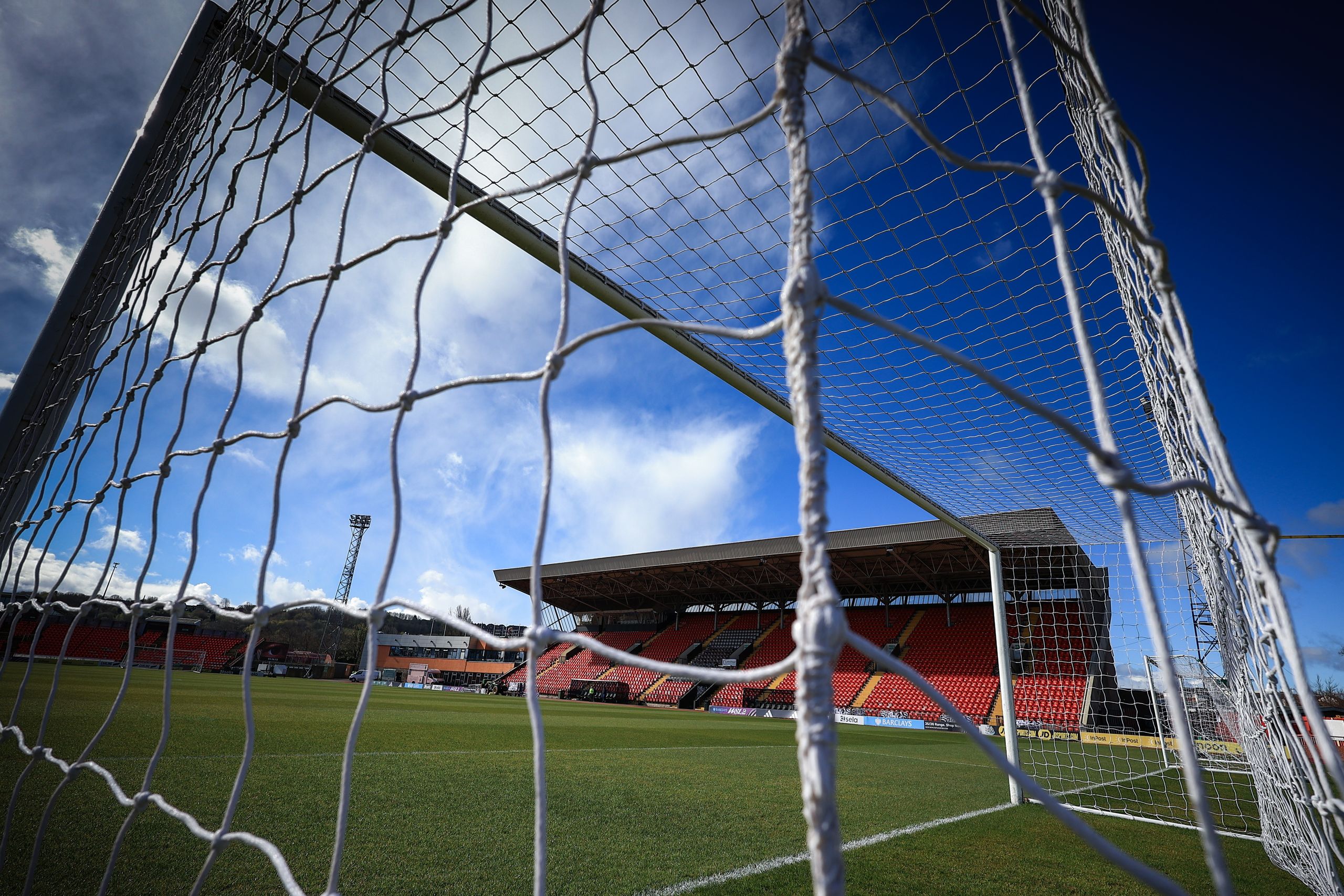
While Gateshead has shown that remarkable turnarounds are possible with focused leadership at the National League level, the complexities of managing a global brand like Manchester United go far beyond simple tactical adjustments. The emotional weight of the club is heavy, and the structural debt of previous recruitment errors is even heavier. Without a firm board decision, the team risks sleepwalking into another chaotic preseason.
The expected impact of this ongoing inertia is a stagnant transfer market availability for United. Agents are wary of committing clients to a club that lacks a clear managerial mandate. If no decision is made before the June 11 World Cup kickoff, expect United to struggle in securing early-window targets. Their inability to finalize the technical path forward remains the defining feature of the Ratcliffe era so far.


