The Carrington Stalemate
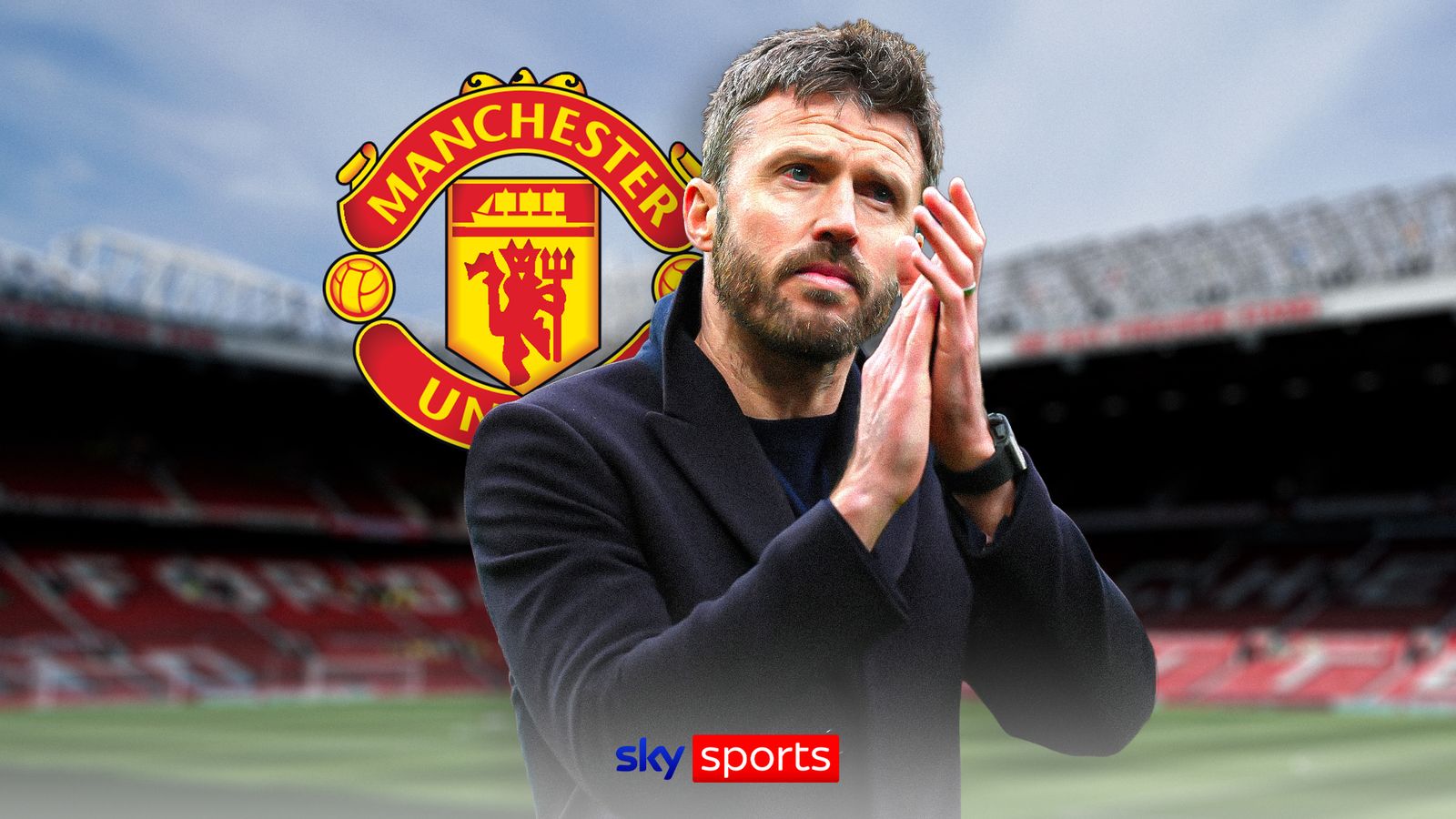
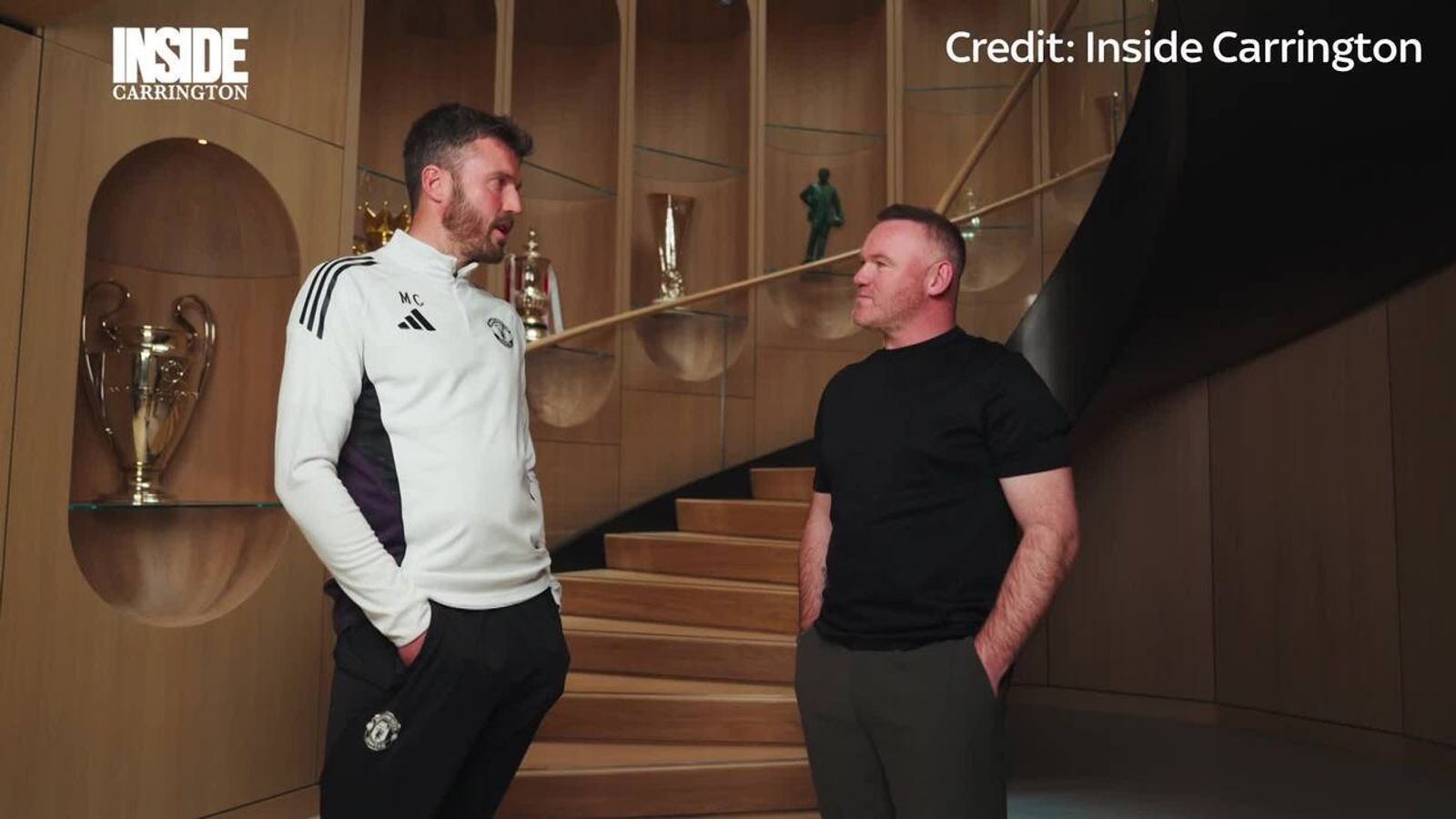
As reported by Chris Wheeler for the Daily Mail, Michael Carrick remains in professional limbo. He sat down with Sir Jim Ratcliffe at Carrington this past Monday. Sources indicate the conversation was cordial, but the absence of a formal offer for the head coach position speaks volumes.
Ratcliffe is clearly in no rush to finalize his leadership structure. With the club currently managing a bloated squad—one defined by 75 signings since the retirement of Sir Alex Ferguson—the pressure to get the next hire right is immense. As documented in this recent breakdown from Football365, previous recruitment cycles have been catastrophic for the books.
Tactical Fit and Historical Baggage
Carrick offers continuity, which is exactly why the board is hesitating. He understands the internal culture at Manchester United better than any external candidate link could possibly hope to. However, his tenure as a caretaker is often critiqued for failing to distinguish itself from the stagnant patterns of his predecessors.
We are looking at a manager who needs to prove he isn't just another layer of the same paint. The current squad, which includes seven players brought in under Ruben Amorim, is a fractured assembly of high-cost transfers. Integrating these specific profiles into a cohesive system requires a surgical approach to tactics that Carrick has yet to demonstrate at the highest level of European competition.
The financial constraints are real. After spending nearly £2bn on talent since 2013, the club is effectively handcuffed by PSR regulations. Any new manager will inherit a roster that is difficult to sell and even harder to coach into a functioning unit.
The Critical Flaw
The primary concern is lack of pedigree against top-tier opposition. Managing a squad of this underperforming magnitude requires a level of tactical belligerence that Carrick hasn't shown. He prefers a measured, possession-heavy style that often leaves the side vulnerable to sharp transitions.
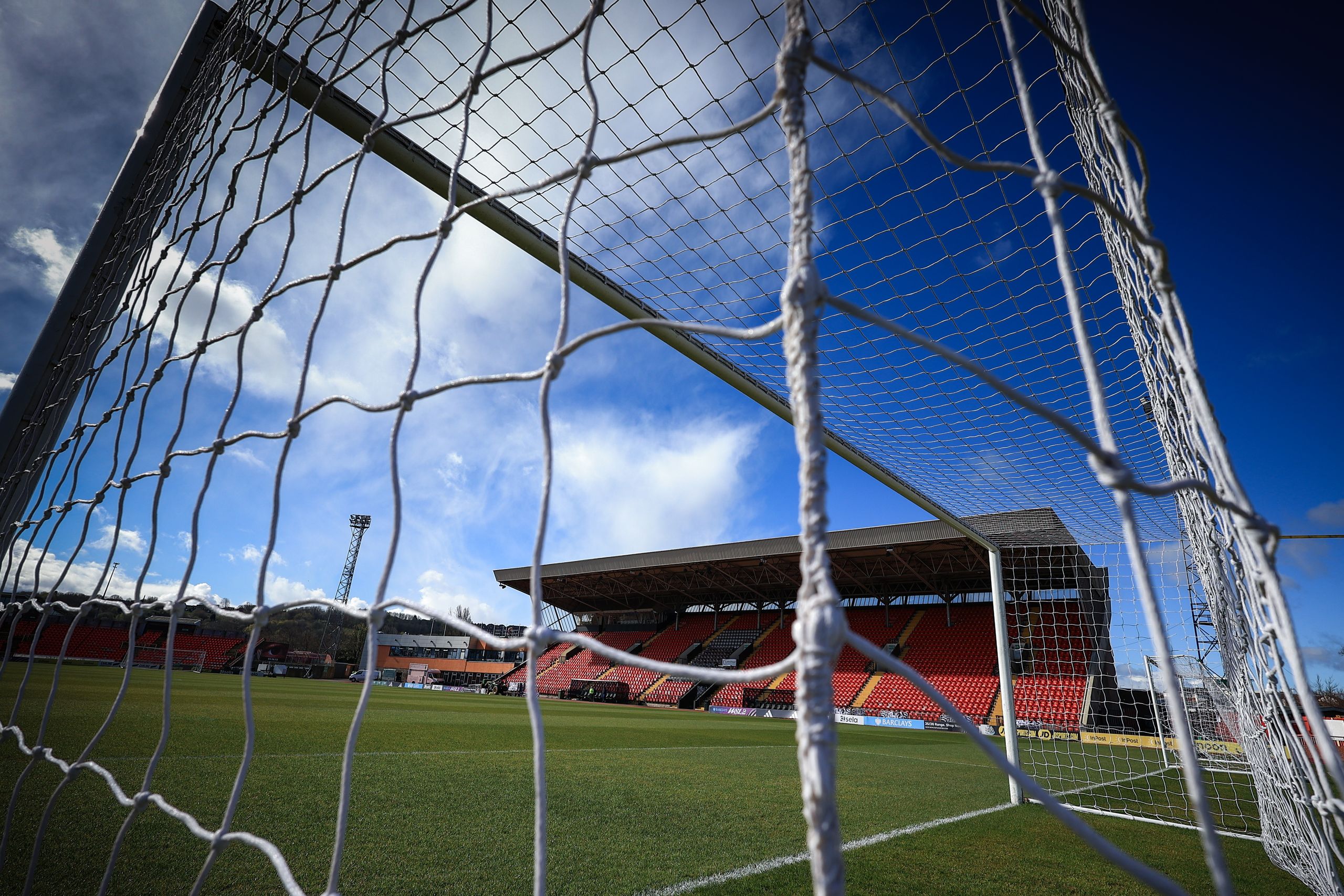
Watching the lower leagues provides a stark contrast to the modern desperation at Old Trafford. Gateshead have shown this season that tactical identity overpowers star power even on a shoestring budget. While the disparity in expectation is massive, the principle remains: Manchester United needs a coach who dictates the game, not one who reacts to it.
Probability and Impact Assessment
I would rate the probability of Carrick landing the permanent role at 40 percent. The board is currently hedging their bets, keeping him in the frame while they scan for internal or external alternatives. If he does land the job, it will be a decision driven by convenience rather than clear-cut strategic vision.
The timeline for this decision is fluid. Ratcliffe is not expected to move until the conclusion of the season, likely waiting to see if United makes a meaningful run during the final fixtures. If Carrick fails to provide a convincing argument by the end of May, the club will almost certainly pivot to a candidate with a more aggressive track record in elite European leagues.
A permanent appointment for Carrick would result in a muted reaction from the fanbase. Years of erratic spending have eroded trust. The impact would arguably be a continuation of the same structural fatigue that has plagued the side since 2013. The club needs a total reset, and keeping the status quo rarely generates the winning momentum that a top-four finish requires.