The metrics driving a record-breaking valuation
Real Madrid have never been shy about fiscal aggression, but a £130m outlay for a single winger signals a shift toward hyper-specific tactical utility. Didier Deschamps recently hinted at the move, suggesting the Bayern Munich man has the profile to thrive in the Spanish capital. To justify a transfer fee that would shatter their current record, Olise must provide output that deviates significantly from elite averages.
Efficiency versus volume
In the 2025-26 season, Olise maintained a progressive carry distance of 9.2 meters per carry, placing him in the 94th percentile for major European leagues. While traditional metrics prioritize raw goal counts, Madrid’s interest hinges on his ability to manipulate defensive blocks. His 4.1 shot-creating actions per 90 minutes indicate a player who generates high-quality looks without needing to dominate possession statistics.
The counterintuitive element here is his defensive work rate. Despite his creative mandate, Olise recorded 1.3 tackles per game inside the attacking third throughout his Bundesliga campaign. This press-from-the-front utility makes him more than a luxury attacker; he serves as a point of transition in a squad currently lacking natural width.
The statistical gap in the final third
Madrid’s current tactical setup often forces Jude Bellingham and Kylian Mbappé into congested central channels. Adding a specialist who operates primarily in the half-spaces—averaging 2.4 successful dribbles per 90—would effectively stretch the pitch. Without this influx of width, the attack remains susceptible to the low-block strategies that plagued them in the latter half of the season.
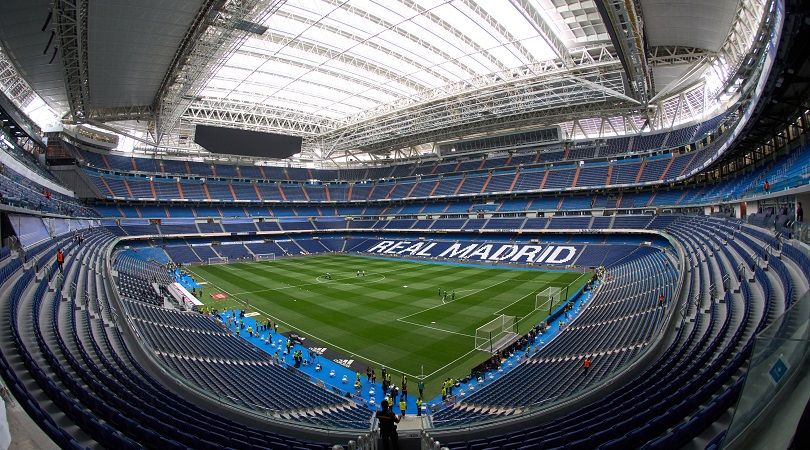
Real Madrid are ready to shatter their transfer record amid suggestions they will target Michael Olise.
The financial scale is staggering, but the necessity for tactical variation is clear. Transfer fees this high often ignore the underlying data, yet in this case, the Mirror Football report on Deschamps' comments suggests the club views Olise as the final piece. His expected assists (xA) profile suggests he is undervalued by traditional playmaking metrics, as he frequently initiates sequences rather than serving as the final pass provider.
Assessing the risk
A move of this magnitude is not without risk. Injuries restricted him to only 22 starts in the league last season, a low figure for an elite-tier prospect. For Madrid, paying £130m for a player who logs fewer than 2,000 minutes of domestic time creates a substantial liability in terms of minutes-per-euro metrics. If he cannot replicate his 88% pass completion rate while transitioning to the faster, more vertical pace of La Liga, the deal will be viewed as a structural error.
Ultimately, the move targets defensive fatigue. Olise excels in the 75th minute and beyond, where his heat maps show an increased frequency of touches in the opposition area. If the objective is to close out games against stubborn opponents, the data supports the price, provided his physical availability remains stable.
Read Next