A selection crisis hits the flight to Wales
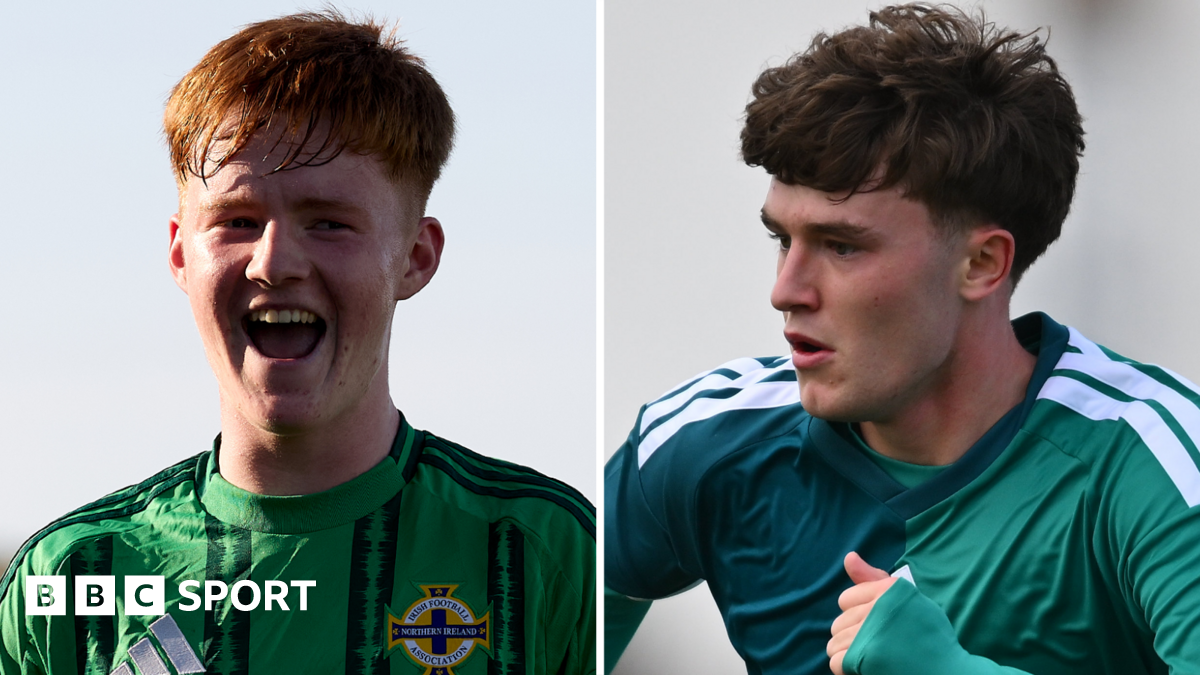
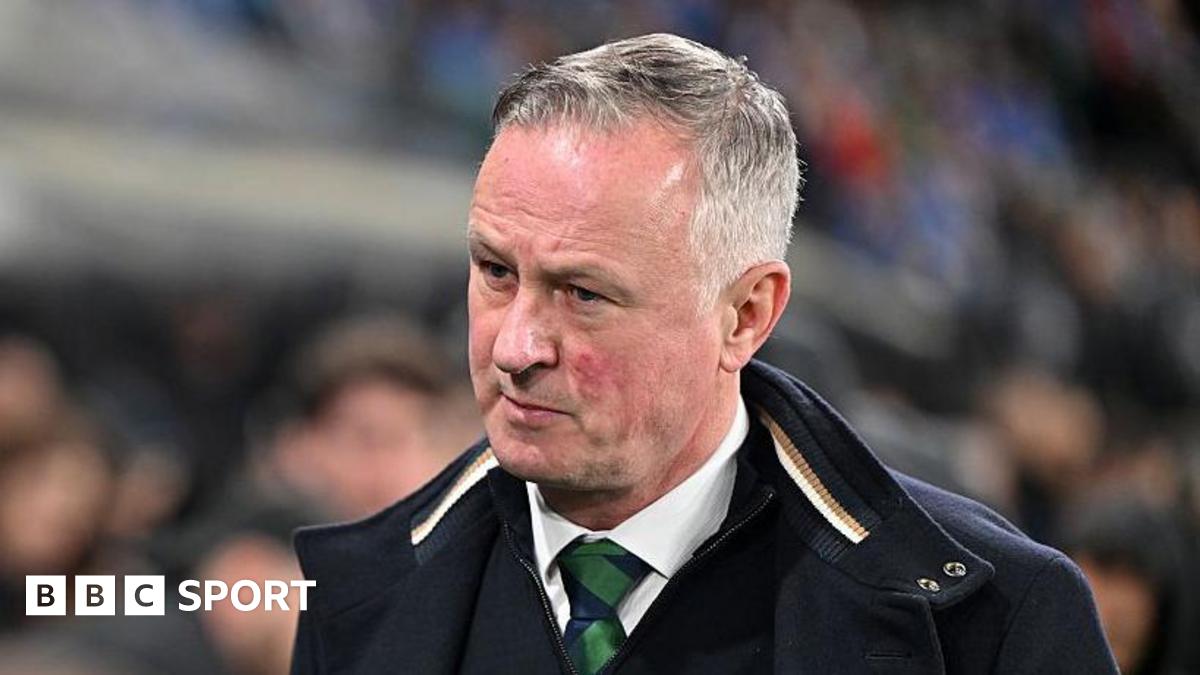
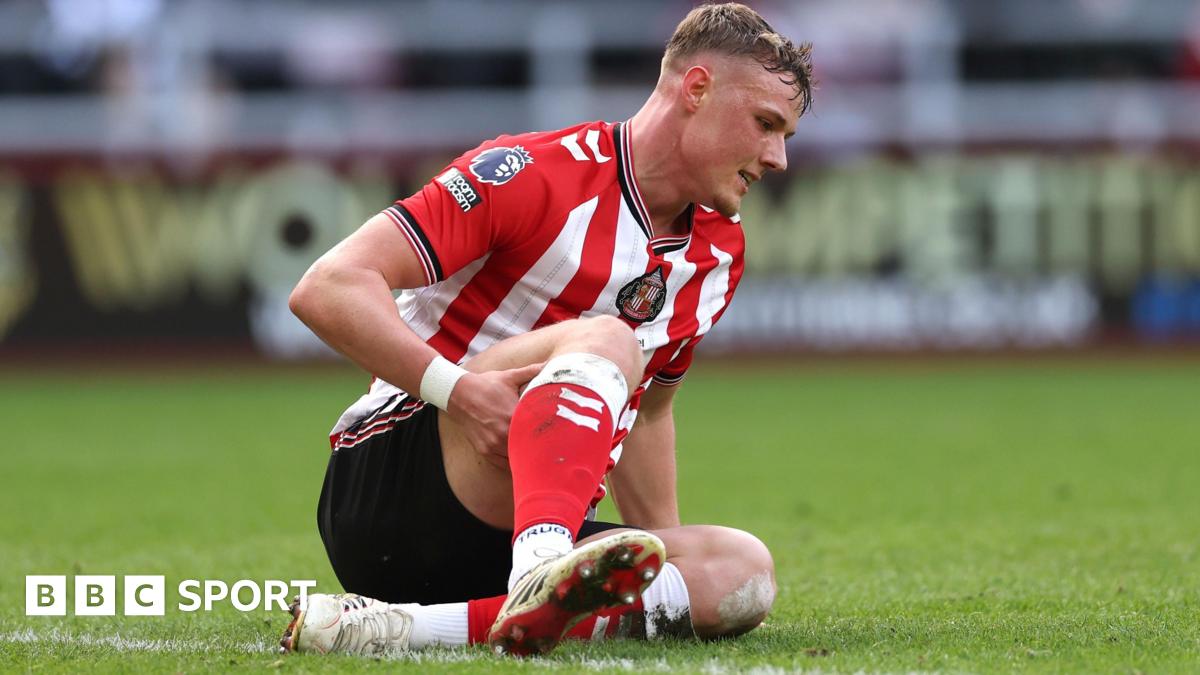
Northern Ireland's preparations for Tuesday's friendly in Cardiff have been gutted by the withdrawal of four senior figures. The news that Paddy McNair, Bailey Peacock-Farrell, Ali McCann, and Ruairi McConville will all miss the clash leaves Michael O'Neill with a hollowed-out spine just as he needs to find rhythm ahead of the summer.
The timing is particularly poor. While friendlies are often dismissed as data-gathering exercises, this window was supposed to be about solidifying a defensive unit that has looked increasingly fragile. Losing your starting goalkeeper and your most experienced defender in one swoop transforms a tactical test into a survival exercise.
The goalkeeping vacuum
Bailey Peacock-Farrell’s absence is the most immediate headache. The Birmingham City stopper has been the undisputed number one for years, providing a level of continuity that O’Neill relies upon. Without him, the gloves likely fall to Luke Southwood or Conor Hazard.
Peacock-Farrell has maintained a 72% save rate during this international cycle, and his ability to organize a young backline is often underrated. His absence isn't just about shot-stopping; it's about the communication gap in a box that will be under siege from Welsh crosses on Tuesday night.
McNair and the leadership void
Paddy McNair remains the heartbeat of this team’s transition play. Whether deployed as a ball-carrying center-back or a screening midfielder, his experience is the safety net for the teenagers currently populating the squad. At 30, McNair has dealt with recurring hamstring issues throughout his career, and while the exact nature of this withdrawal hasn't been disclosed, his load management has become a full-time job for the medical staff.
The tactical shift without McNair is profound. He is one of the few players in the setup capable of breaking lines with a vertical pass. Without him, Northern Ireland often resort to sideways recycling that invites pressure. This withdrawal effectively removes the team's primary outlet for escaping a high press.
Historically, McNair has missed significant chunks of club football due to soft tissue injuries. His absence here suggests a cautious approach from the IFA medical team, likely prioritizing his availability for the 2026 World Cup qualifiers beginning later this year. It is a pragmatic move, but one that leaves the current squad looking desperately lightweight in the leadership department.
Midfield engine and the youth movement
Ali McCann’s withdrawal removes the most mobile element of the midfield. The Preston North End man is the designated 'shuttler,' the one responsible for covering the grass that older legs cannot reach. His absence creates a physical deficit in the center of the park that Wales will be eager to exploit.
McCann has struggled with calf and thigh problems over the last eighteen months, missing nearly 12 weeks of action at the club level last season. His inability to stay fit for consecutive international windows is becoming a genuine concern for the long-term structure of O’Neill’s midfield three.
Then there is Ruairi McConville. The Brighton youngster represents the future, but his withdrawal is a missed opportunity for a rare audition. Young defenders need minutes to bridge the gap between U21 football and the senior stage, and McConville has lost a vital 90 minutes of development time in a low-stakes environment.
Tactical headaches for O’Neill
The math for O'Neill is now simple and brutal. He is missing his first-choice keeper, his best defender, and his most energetic midfielder. He will likely be forced into a conservative 5-4-1 block, a formation that often leaves the lone striker isolated and the fans frustrated.
Wales will likely start with Brennan Johnson and Dan James on the flanks. These are players who thrive on the kind of defensive hesitation that occurs when a backline hasn't played together. Without Peacock-Farrell’s vocal commands and McNair’s positioning, the risk of a defensive collapse in the opening twenty minutes is high.
There is also the question of roster depth. Northern Ireland’s pool is shallow. When four players pull out of a friendly, the replacements are often players who aren't starting regularly for their clubs in League One or the Scottish Premiership. It exposes a lack of succession planning that has plagued the national team for the last three years.
A critical look at the medical trend
We have to be honest about the state of this squad's fitness. The frequency of these 'minor' withdrawals is starting to feel like a structural flaw. Whether it's the intensity of the club calendar or a lack of conditioning at the international level, O'Neill rarely gets to field his best XI twice in the same month.
The negative observation here is that Northern Ireland are becoming overly reliant on a veteran core that their bodies are starting to fail. McNair and McCann are vital, but they are increasingly unavailable. If the IFA doesn't find a way to keep these players on the pitch—or find replacements who can actually stay healthy—the 2026 qualifying campaign will be over before it starts.
Tuesday night in Cardiff was supposed to be a stepping stone. Instead, it’s going to be a patchwork job. O’Neill will have to hope that his remaining squad members can withstand a Welsh side that smells blood in the water. For the fans traveling to Cardiff, the expectations have just been lowered significantly.
- Immediate Impact: The loss of three regular starters forces a defensive reshuffle.
- Short-term Outlook: Players should return for club duties by the weekend.
- Long-term Concern: Recurring soft tissue issues for McNair and McCann.