The Loyalty Gamble in the England Camp
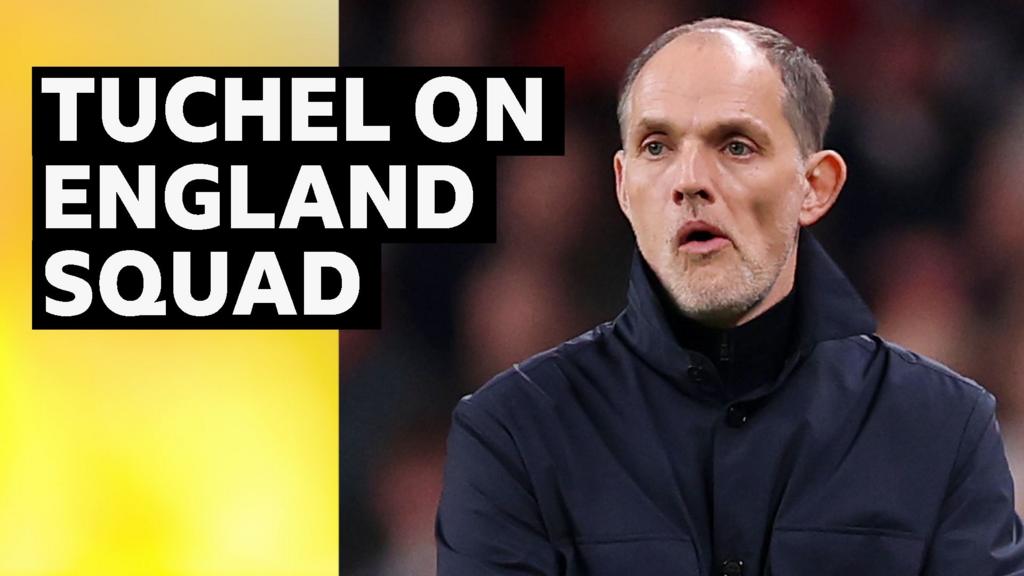
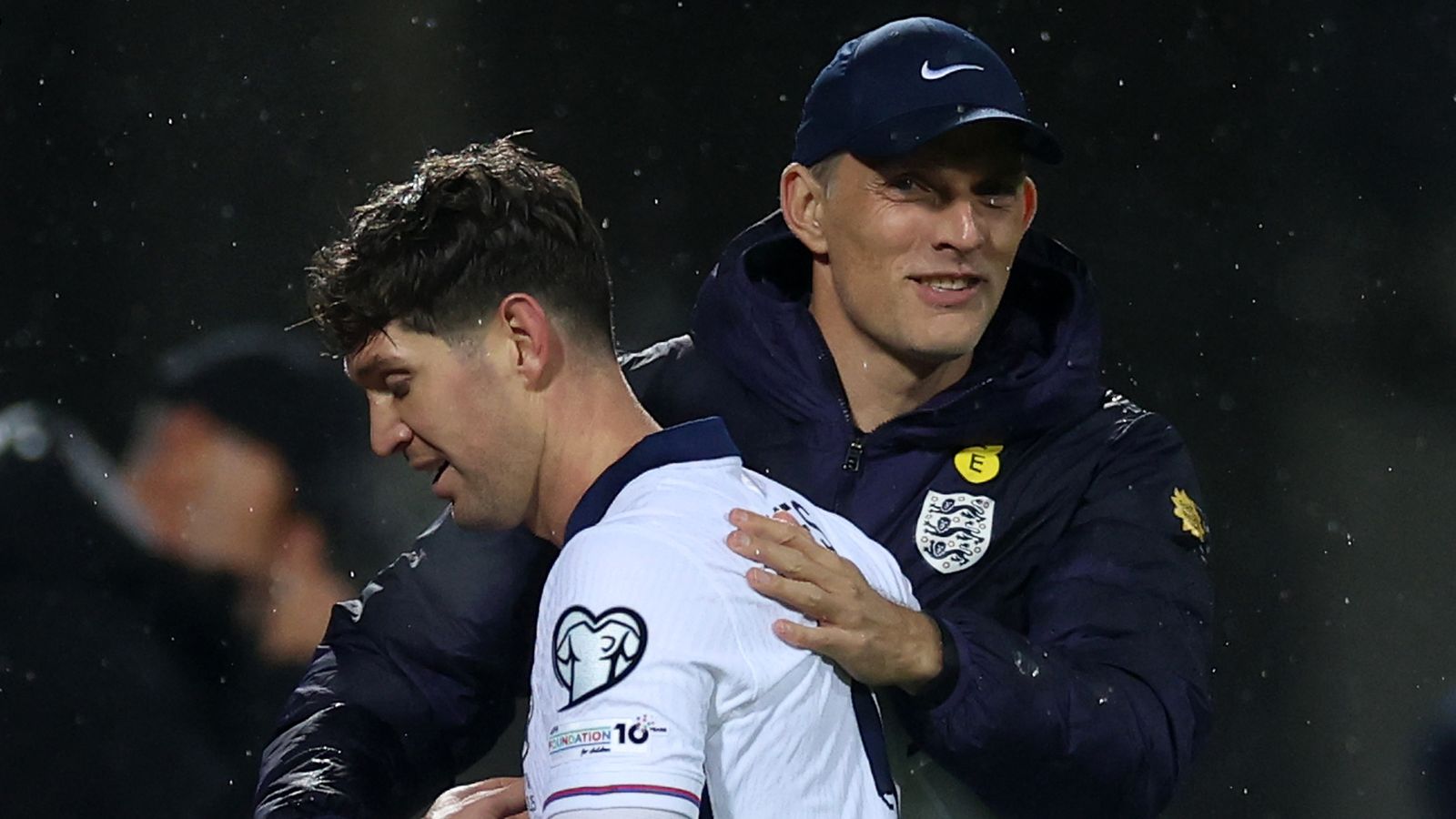
Thomas Tuchel has made his first major strategic play as England manager, and it isn't a tactical tweak or a surprise call-up. It is a public declaration of loyalty to a player whose body is increasingly failing him. John Stones, the defensive anchor of a generation, is once again sidelined, but Tuchel isn't looking at the medical charts. He is looking at the trophy cabinet and the 73 days remaining until the World Cup kicks off in North America.
The England boss was explicit this week, stating that Stones has enough credit in the bank to justify a wait-and-see approach. For a manager known for his cold, clinical decision-making, this is a surprising pivot toward sentimentality. Tuchel described Stones as a key player, signaling that the Manchester City man is non-negotiable for his starting XI, provided he can walk by June. This isn't just a vote of confidence; it is a high-stakes gamble on a 31-year-old with a growing list of muscular issues.
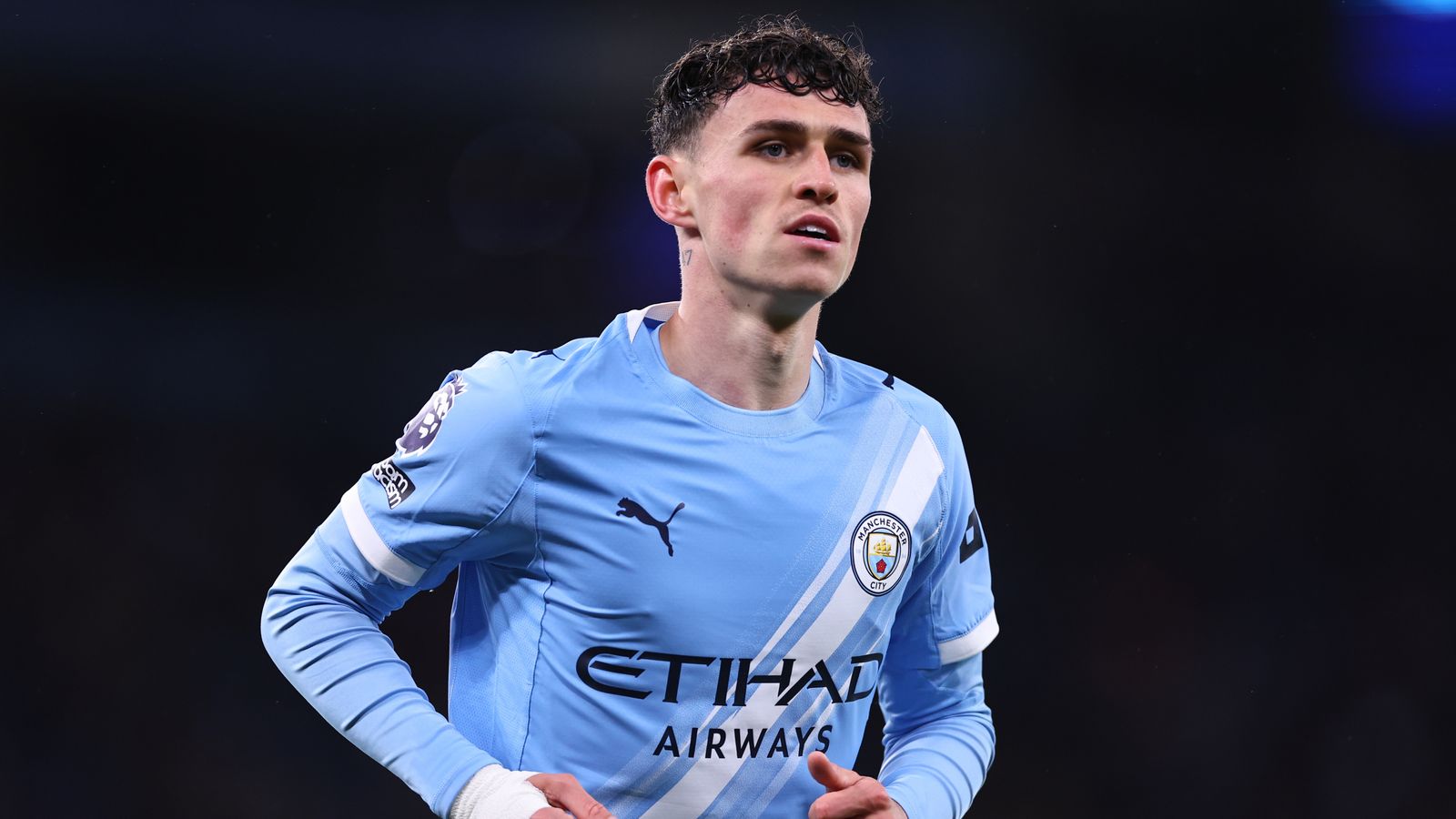
The timing could not be worse for club or country. Manchester City are staring down a Champions League Quarter-Final in just 8 days, and the reports out of the Etihad suggest Stones is nowhere near the matchday squad. Pep Guardiola has been here before, managing Stones’ minutes like a precious heirloom, but Tuchel doesn't have the luxury of a 38-game season. He has a seven-game sprint, and he wants his most composed ball-carrier at the heart of it.
A Medical History That Won't Quit
The problem with the 'credit in the bank' philosophy is that the bank is currently closed due to persistent structural damage. Stones has spent the better part of the last two seasons oscillating between the pitch and the treatment table. His injury profile has shifted from freak collisions to the more concerning category of recurring soft-tissue failures. Hamstrings, calves, and adductors have all taken turns betraying him at the exact moment his rhythm starts to peak.
Medical experts often point to the cumulative load on modern center-backs, especially those in high-possession systems like Guardiola’s or Tuchel’s. Stones isn't just defending; he is an auxiliary midfielder, frequently asked to step into the pivot and cover massive amounts of ground during transitions. This hybrid role requires a level of explosive athleticism that his lower limbs seem unable to sustain over a 50-game calendar. When he is fit, he is arguably the best in the world at it. When he isn't, England’s entire build-up play becomes significantly more agricultural.
We have seen this movie before with England legends. From David Beckham’s metatarsal to Wayne Rooney’s hurried recoveries, the national team has a fetish for taking half-fit icons to major tournaments. The results are almost universally mediocre. A 90 percent fit John Stones is a liability in a 48-team World Cup where the physical demands will be amplified by the heat of a North American summer. Yet, Tuchel seems determined to ignore the historical warnings in favor of technical ceiling.
Tactical Necessity vs. Physical Reality
Why is Tuchel so desperate? Look at the alternatives. While Marc Guehi and Ezri Konsa have proven themselves to be elite traditional defenders, neither possesses the 'Beckenbauer' DNA that Stones brings to the transition. Tuchel’s system relies on a center-back who can break the first line of the press with a single vertical pass or a composed 15-yard carry. Without Stones, England often revert to a horizontal passing U-shape that is easy to sit against.
The tactical void left by Stones forces the midfielders to drop deeper to collect the ball, which in turn isolates the front three. We saw this in the recent friendlies; without that central progressive outlet, the service to Harry Kane dried up. Tuchel knows that to win a World Cup, you cannot just be solid; you have to be expansive. In his mind, Stones is the only player capable of providing that expansiveness from the back while maintaining defensive discipline.
The Ripple Effect on the 26-Man Squad
Tuchel’s insistence on waiting for Stones creates a massive headache for the rest of the defensive roster. If Stones is a lock for the 26-man squad despite his fitness, it means a younger, fully fit defender is going to be left at home. Levi Colwill and Jarrad Branthwaite are the primary candidates who could find themselves squeezed out by a veteran who might not even be able to play the full group stage.
There is a fine line between backing your leaders and indulging a liability. By publicly stating that Stones has special status, Tuchel risks alienating the players who have been grinding out minutes all season. The 'credit in the bank' comment is a slap in the face to someone like Marc Guehi, who has been the most consistent English defender in the Premier League this term. Loyalty is a virtue, but in tournament football, it can quickly become a blind spot.
The Timeline to North America
The immediate goal is a return to training by late April, which would theoretically give Stones a handful of games to find his legs before the final squad announcement in May. However, the short-term outlook is grim. Missing the UCL Quarter-Finals is a massive blow for City’s treble hopes and robs Stones of the high-intensity minutes he needs to sharpen his reflexes. You cannot simulate the pressure of a European knockout game in a controlled training environment.
If Stones doesn't see competitive action by the first week of May, the pressure on Tuchel to pivot will become unbearable. The England manager has promised to give him 'every chance,' but the medical reality of muscle fiber recovery doesn't care about managerial promises. A Grade 2 tear usually requires four to six weeks of rehabilitation before a player is even considered for contact training. Stones is currently in that precarious window where one false step in his recovery restarts the clock at zero.
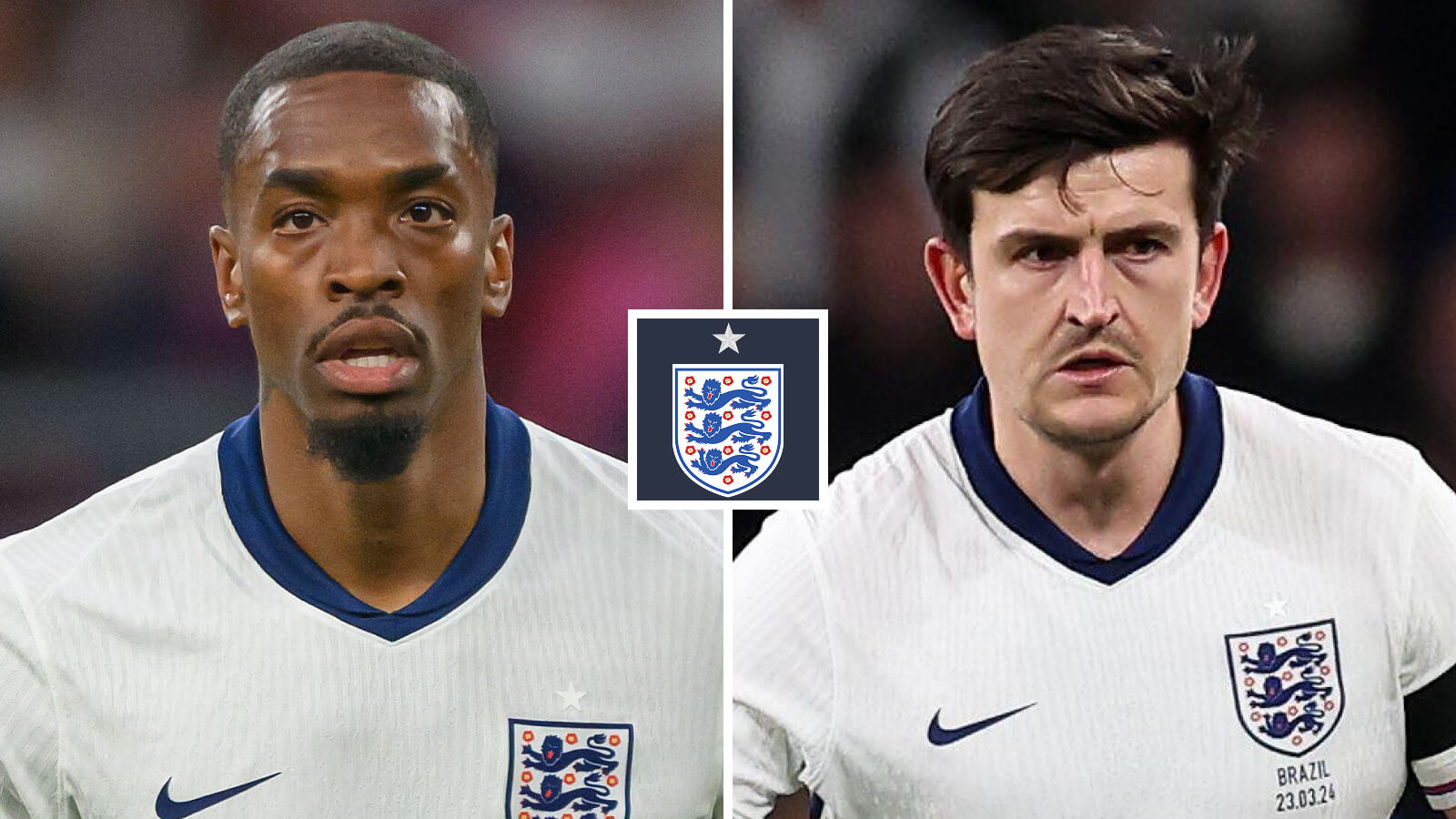
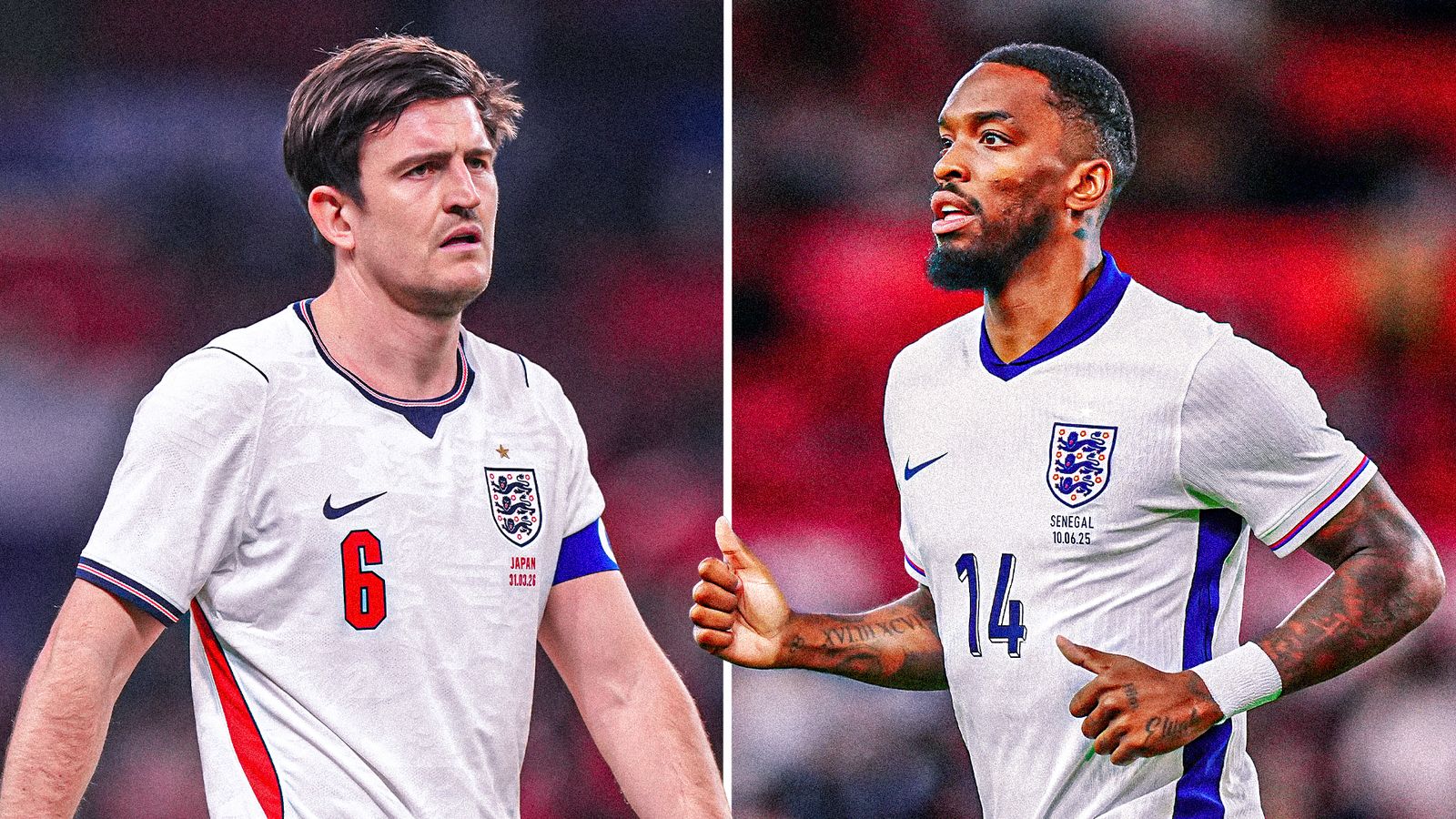
The worst-case scenario is a repeat of the Harry Maguire situation from previous cycles—a player who is included in the squad, misses the first two group games, and then is thrust into a high-stakes knockout match without any match fitness. Against elite opposition like France or Argentina, that lack of sharpness is fatal. Tuchel is a smart enough coach to know this, yet he is still choosing to walk the tightrope.
The Critical Verdict: A Risky Sentiment
There is a disappointing lack of pragmatism in Tuchel’s early England tenure here. We expected the German to bring a ruthless, merit-based approach that prioritized the 'now' over the 'then.' Instead, we are getting a repeat of the same old England story: hoping for a miracle from a player whose hamstrings are held together by little more than hope and tape. It’s a move that feels more like a manager scared of losing his best tool than one confident in his coaching ability to adapt.
If Stones makes it, Tuchel looks like a genius who managed his resources perfectly. If Stones breaks down in the 20th minute of a Round of 16 match, the post-mortem will be brutal. The margin for error is effectively zero. For a player who has struggled to stay fit during a standard league season, expecting him to survive a month of high-stakes, high-heat tournament football is bordering on delusional. Tuchel is betting the house, but the house is already showing cracks.
Ultimately, the England medical staff will have the final say, but Tuchel’s public pressure has made their job significantly harder. It’s difficult to tell a manager 'no' when he has already told the world 'yes.' We are now in a holding pattern, watching the injury reports from Manchester with more intensity than the actual matches. The road to the World Cup for England doesn't go through the tactics board anymore; it goes through the physiotherapy room at Carrington.
Read Next
- Tuchel needs to stop overthinking England before the World Cup starts in June
- Trent Alexander-Arnold is the genius England still refuse to understand
- Thomas Tuchel is playing it cool while the England squad evaporates
- Thomas Tuchel needs to stop the experiments before Japan arrives at Wembley
- 🏆 World Cup 2026 — Full Coverage Hub