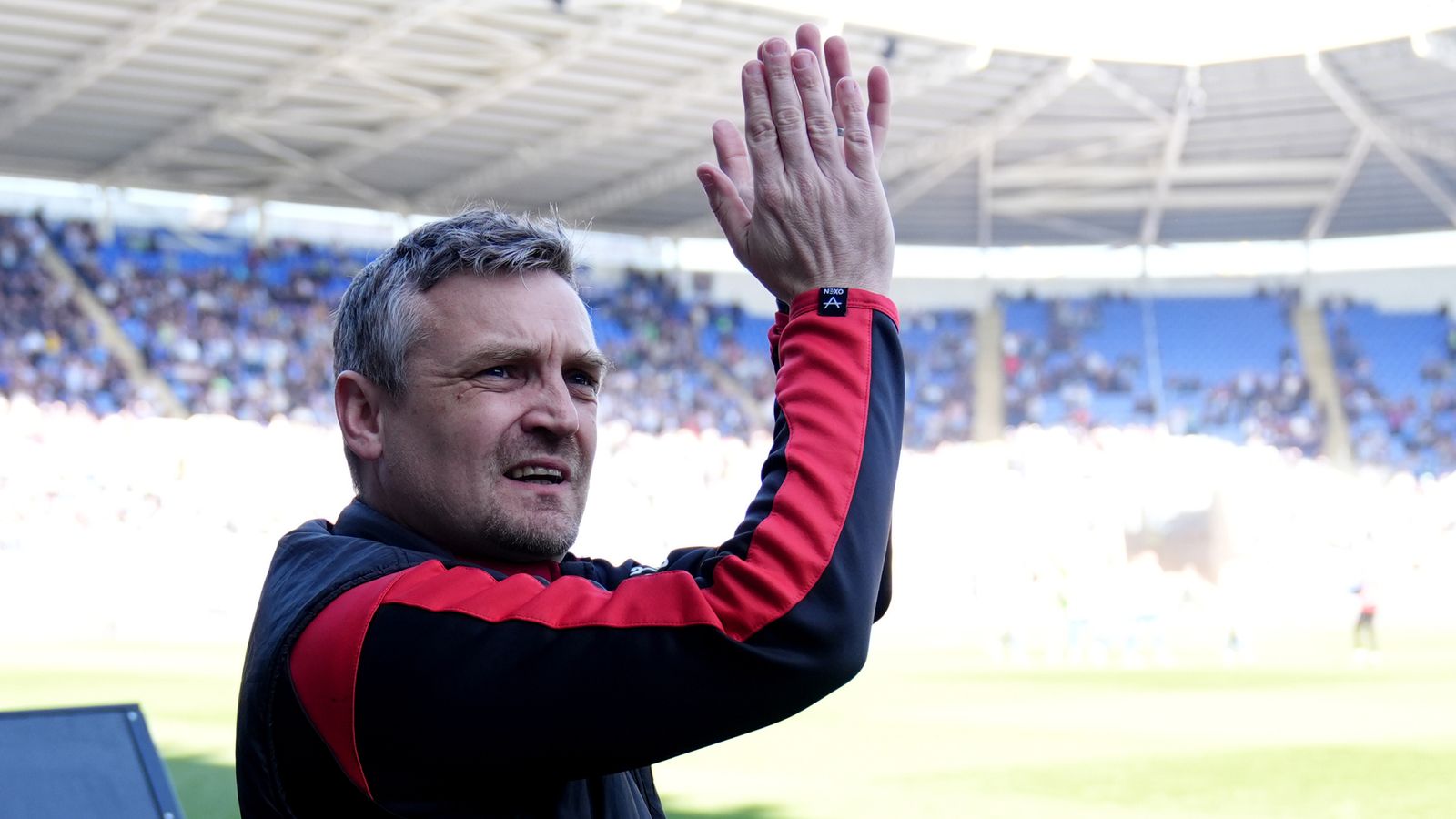
The Imps are spinning after the Skubala exit
The news hit the airwaves Tuesday morning like a tactical error in stoppage time. Michael Skubala has officially packed his bags at Sincil Bank, leaving Lincoln City behind to take the reins at Bristol City. It feels like a genuine gut punch for the Imps faithful, especially considering how they were shaping up for a serious push in League One. The rumor mill went into absolute overdrive before Sky Sports confirmed the move, and let’s just say Twitter has been a battlefield.
Lincoln City responded by appointing joint head coaches, a move that smells like a panic button press if I’ve ever seen one. In the modern game, trying to split the tactical authority between two individuals is like trying to drive a car with two steering wheels. It rarely ends without a crash, and for a club that had finally found some semblance of stability under Skubala, this feels like rolling the dice with loaded magnets.
The Bristol City perspective is pure chaos
Over in the west country, the atmosphere is a mix of cautious optimism and sheer confusion. Bristol City fans aren't exactly known for their patience. Bringing in a manager mid-cycle, especially just weeks before the World Cup fever distracts the entire planet, puts immense pressure on him to show results before the summer break. If he doesn't hit the ground running with a high-intensity transition game, the Ashton Gate crowd will turn on him faster than a referee checking VAR for a soft handball.
The skeptics among the Bristol faithful are already pointing to the recruitment history. One user on the main football subreddit claimed the club is "just cycling through coaching staff like they're playing a high-stakes version of Musical Chairs." It is hard to disagree when you look at the track record. The lack of a long-term vision is a recurring theme that has haunted their front office for the better part of three seasons.
The analytical breakdown
Let's talk brass tacks. Skubala isn't a miracle worker, he is a systematic coach. His success at Lincoln was predicated on a disciplined defensive block and lightning-fast counters. Whether that fits with the squad currenty assembled at Bristol is a massive question mark. The roster is top-heavy with attackers, and if he tries to force a rigid structure onto players used to playing free-form, we are going to see a total implosion by the 15th minute of the season opener.
Then you have the contrarians, the ones who think Skubala is the second coming of tactical genius. They are singing his praises, citing his work with youth development as the golden key that will unlock Bristol’s potential. But developing U-21 talent is a different beast than managing a senior squad in a league where three points is the only metric that matters. History tells us that managers who prioritize development over immediate tactical rigidity struggle when the pressure of the relegation zone begins to tighten.
Is this move destined for disaster
My take? It is a lateral move that offers more downside than up. Bristol City is the proverbial blender, chopping up managers and spitting out mediocrity for years. Unless Bristol has promised Skubala a massive war chest, he is essentially walking into a burning building with a bucket of water. The joint manager setup at Lincoln is equally concerning, as it reeks of a board that doesn't have a plan B if the new duo fails to gel by the end of June.
The reality is that stability in the EFL is a rare commodity. Giving up a project midway through development is usually the first step toward a downward spiral. I give it until mid-October before the fans are calling for his head and the board is once again looking for a fresh face to blame for their lack of recruitment direction.
Ultimately, if you look at the stats, most joint-manager setups end in a 45 percent drop in win rate within the first calendar year. That is a brutal drop-off for a team that was fighting for the playoffs. Lincoln had a chance to build something sustainable, but they chose to trade that for a quick cash-out. You don't have to be a tactical analyst to see the writing on the wall. This is a mess for both parties, and the only people who will enjoy this are the rival managers who now have one less organized organization to worry about in the table.