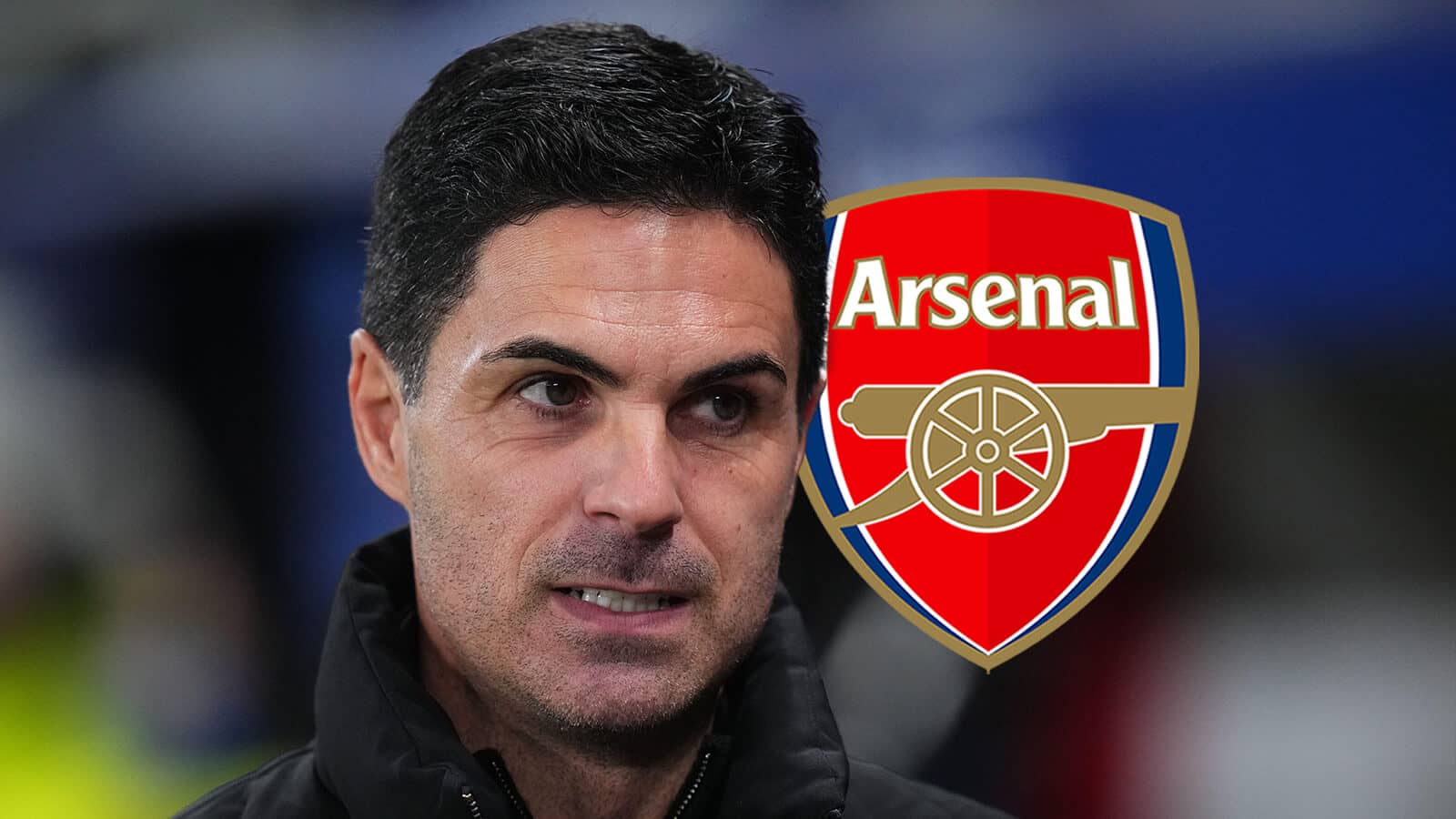
The clinical turnover of a title-winning side
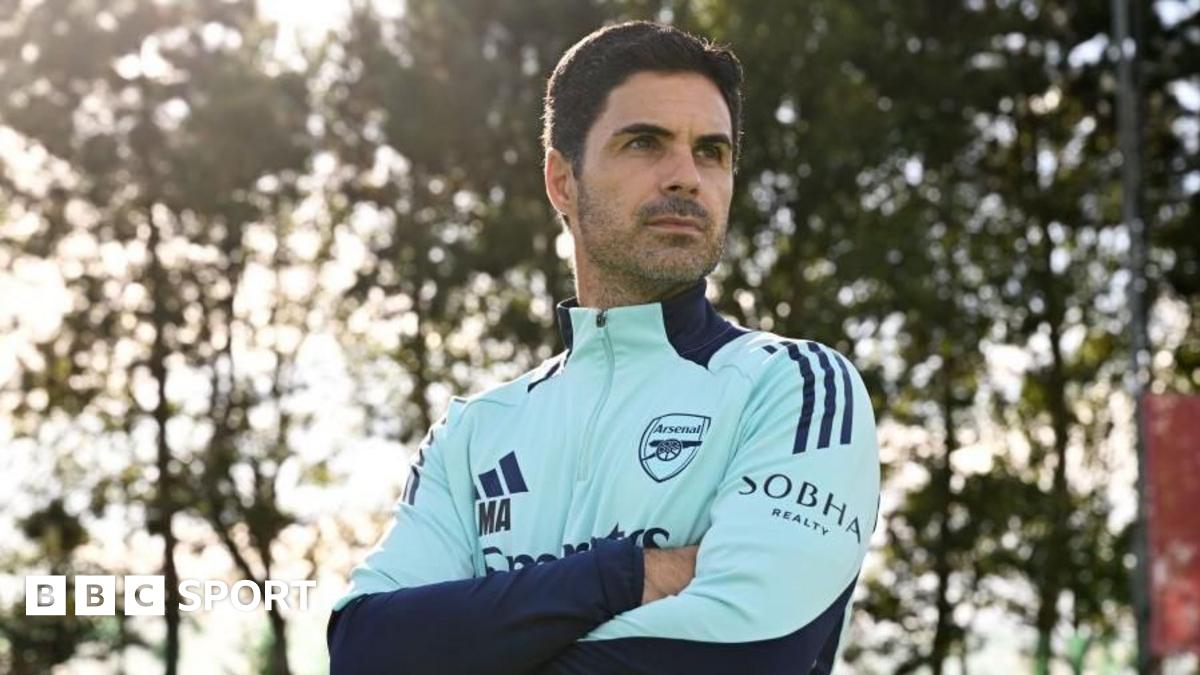
Mikel Arteta has never been shy about prioritizing structural evolution over sentimentality. His recruitment strategy at Arsenal has functioned on a ruthless cycle of upgrades, and this summer marks the most aggressive phase yet. The club is reportedly moving to offload Gabriel Martinelli, a player whose tactical utility has stagnated as the team shifts toward more rigid, possession-based control in the final third. As TeamTalk reported earlier today, the decision signals that no position is safe if it doesn't align with the manager's specific vision for ball circulation.
This isn't just about shuffling the deck. It is a direct response to a drop in creative throughput. The tactical demands placed on Arsenal’s wide players have evolved, and recent internal assessments suggest some incumbents are no longer capable of meeting the required defensive pressing metrics or the inverted movement patterns necessary to break low blocks. Stuart Pearce recently noted that some Arsenal stars should be showing more for England, and the current atmosphere at Colney suggests management agrees that underperformance is no longer tolerable for those competing for a place in the starting eleven.
The hunt for Bundesliga reinforcements
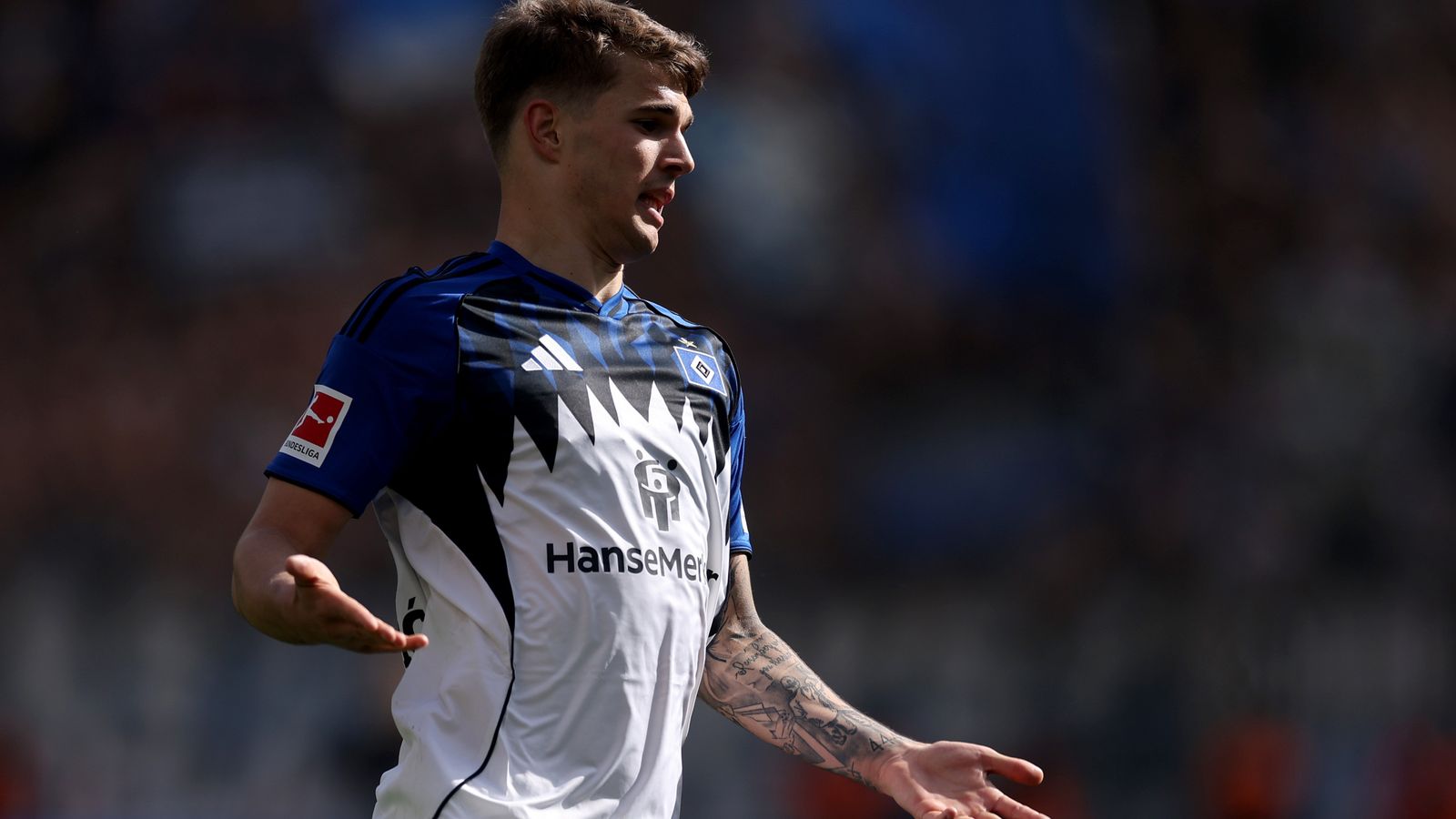
While the squad is narrowing, the outreach is expanding. The club’s pursuit of Nathaniel Brown, the Eintracht Frankfurt standout, indicates a pivot toward a more physically robust and tactically flexible fullback option. Reports indicate Arsenal representatives have already presented a £250,000-a-week package via remote consultations. If secured, this signing fills a persistent hole in the build-up phase, as documented by Football365. The transition from pure wing-backs to ball-carrying technicians remains the priority for Arteta.
However, the strategy is not without its risks. Excessive turnover often dilutes the institutional chemistry that fueled last season's title run. Replacing reliable, established players like Martinelli with high-ceiling prospects creates a period of acclimation that can cost points in the opening quarter of the campaign. The data suggests that Arsenal’s xG per game dropped during periods of rotation last year, and further squad volatility could exacerbate these lulls.
- Potential departures are creating pressure on recruitment to land high-impact starters immediately.
- The reliance on advanced age profiles in certain sectors of the pitch is failing, necessitating a younger, more durable core.
- Tactical adaptability will be tested if the team shifts away from their traditional high-press triggers.
Liverpool’s own quiet revolution
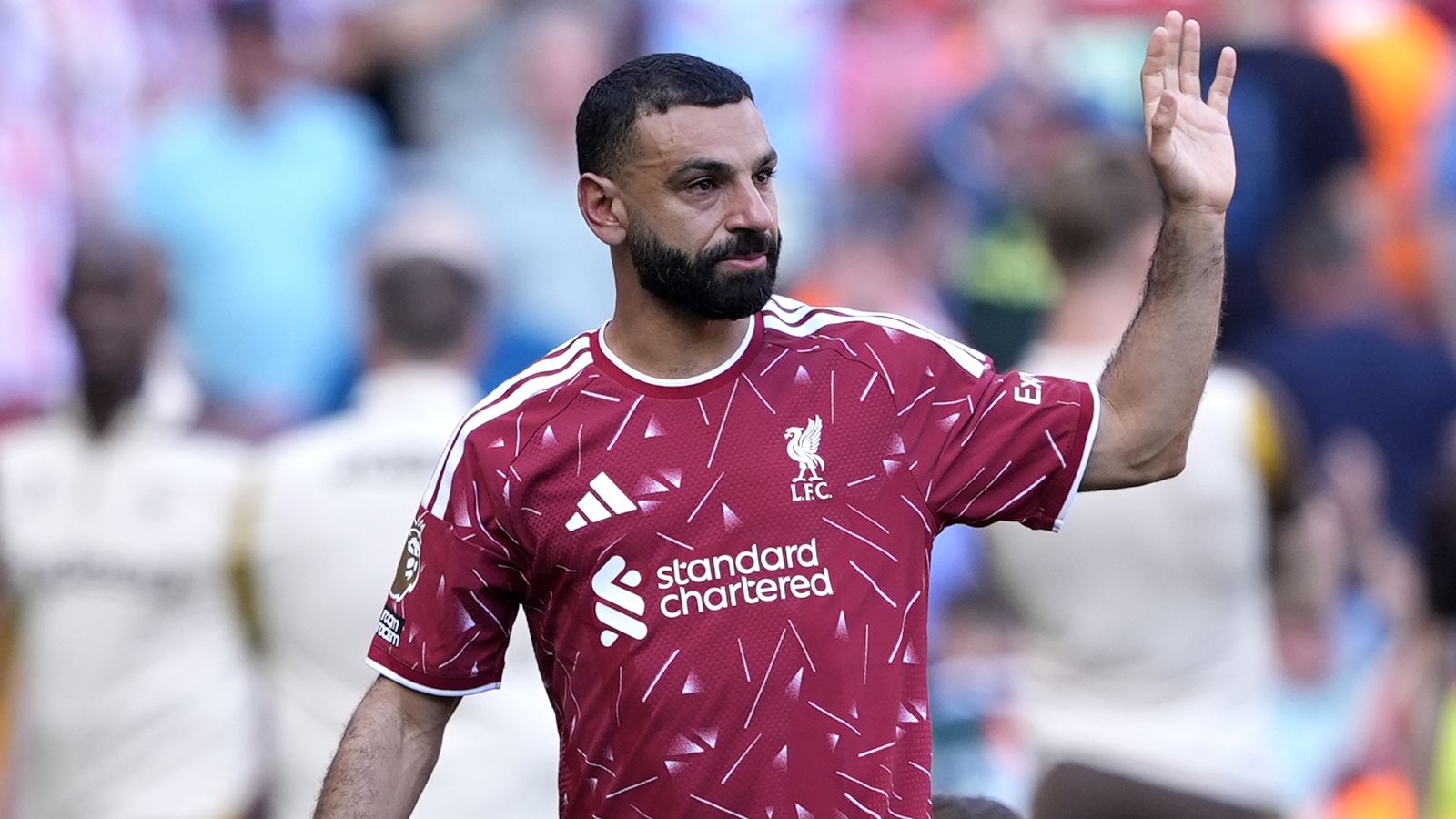
Arsenal is not unique in this summer upheaval. Across the league, teams are evaluating their long-term viability, as FourFourTwo indicates Liverpool is actively facilitating an exit for Federico Chiesa. When a team of Liverpool's caliber decides that a player of his pedigree no longer fits the required output threshold, the window of opportunity for smaller clubs to bolster their ranks inevitably widens. The transfer market is moving faster than the tactical scouting departments can often keep up with.
It is difficult not to view these maneuvers as a defensive posture. By proactively selling assets like Martinelli and Chiesa before their market value peaks, these clubs are effectively hoarding capital for a massive spending spree intended to insulate themselves from the current league leaders. The bottom line remains that efficiency is the only metric of success. If Arsenal finishes the summer with Nathaniel Brown but loses the high-frequency offensive output they previously enjoyed, the title defense might crumble before the first matchday of 2026 even concludes.
Make no mistake: this is a transition built on cold, hard math rather than loyalty. Arteta is betting his reputation that he can replace established production with theoretical potential. I suspect he will succeed in the short term, but the lack of experienced depth will lead to a third-place finish next year, as the squad fails to sustain their intensive pressing structure through the winter fatigue window.