The officiating shift nobody asked for
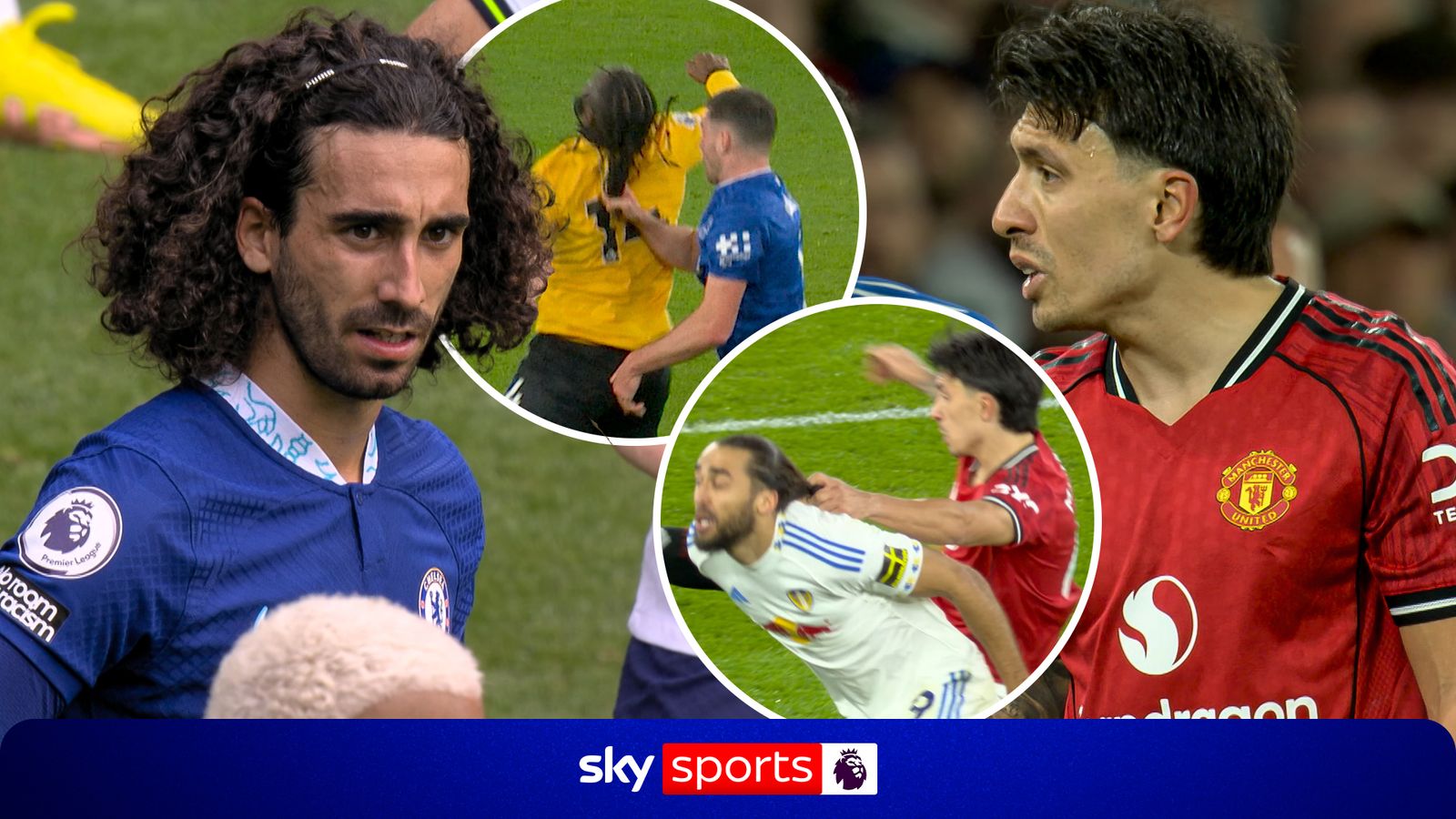
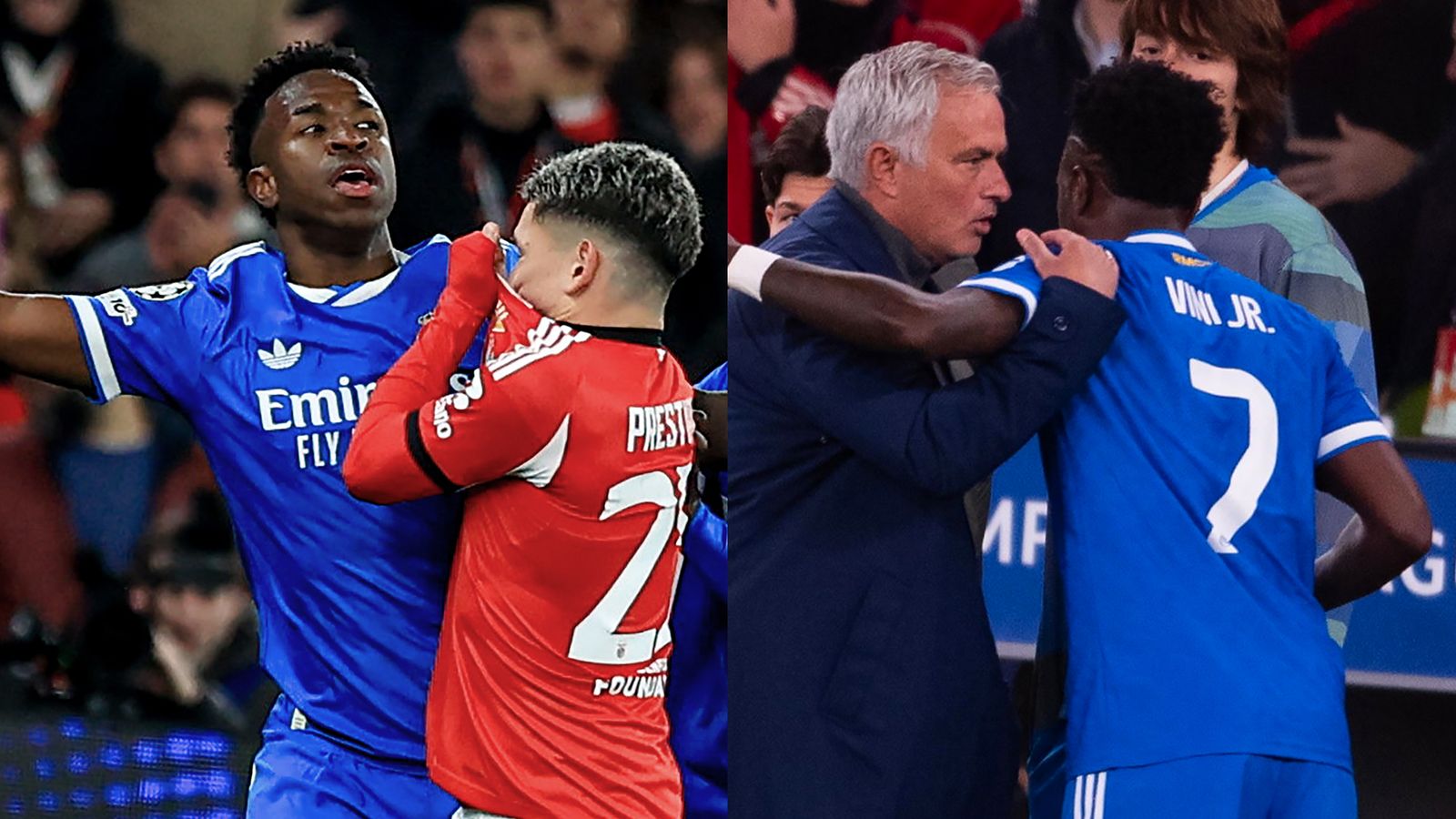
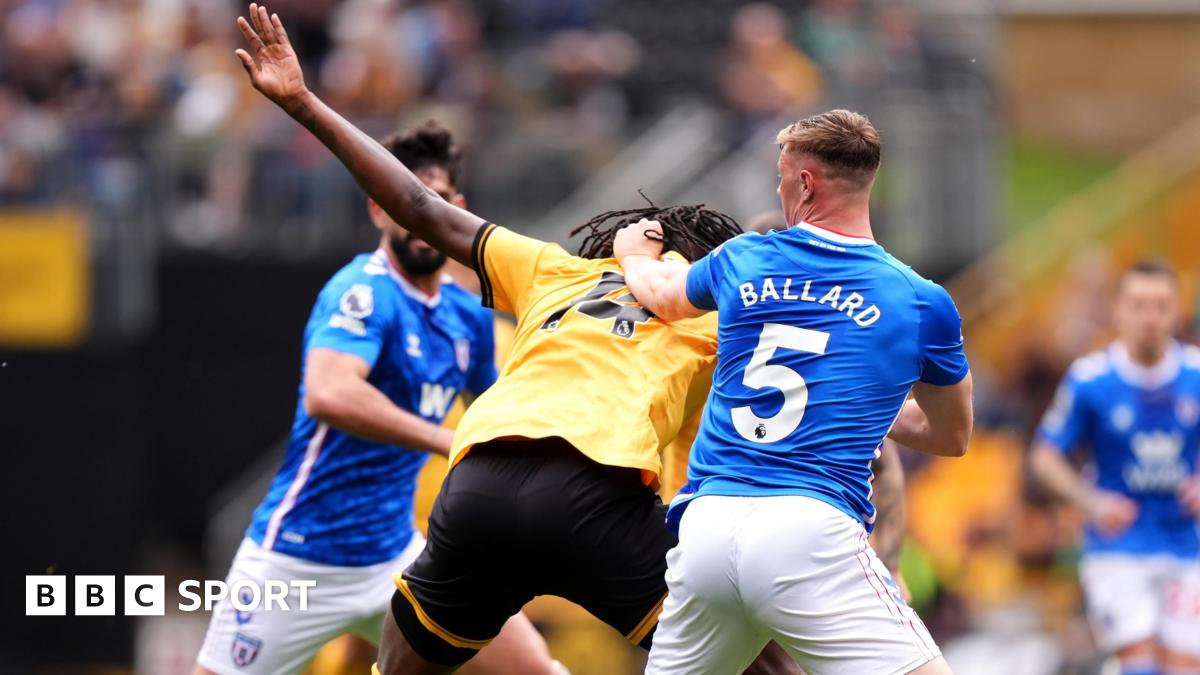
The Premier League has confirmed that, starting with the 2026-27 campaign, referees are mandated to issue yellow cards for hair pulling. According to reports via Sky Sports, the league is attempting to standardize enforcement after a chaotic period where such contact often went unpunished. It sounds proactive on paper, but it ignores the reality of modern physical defending.
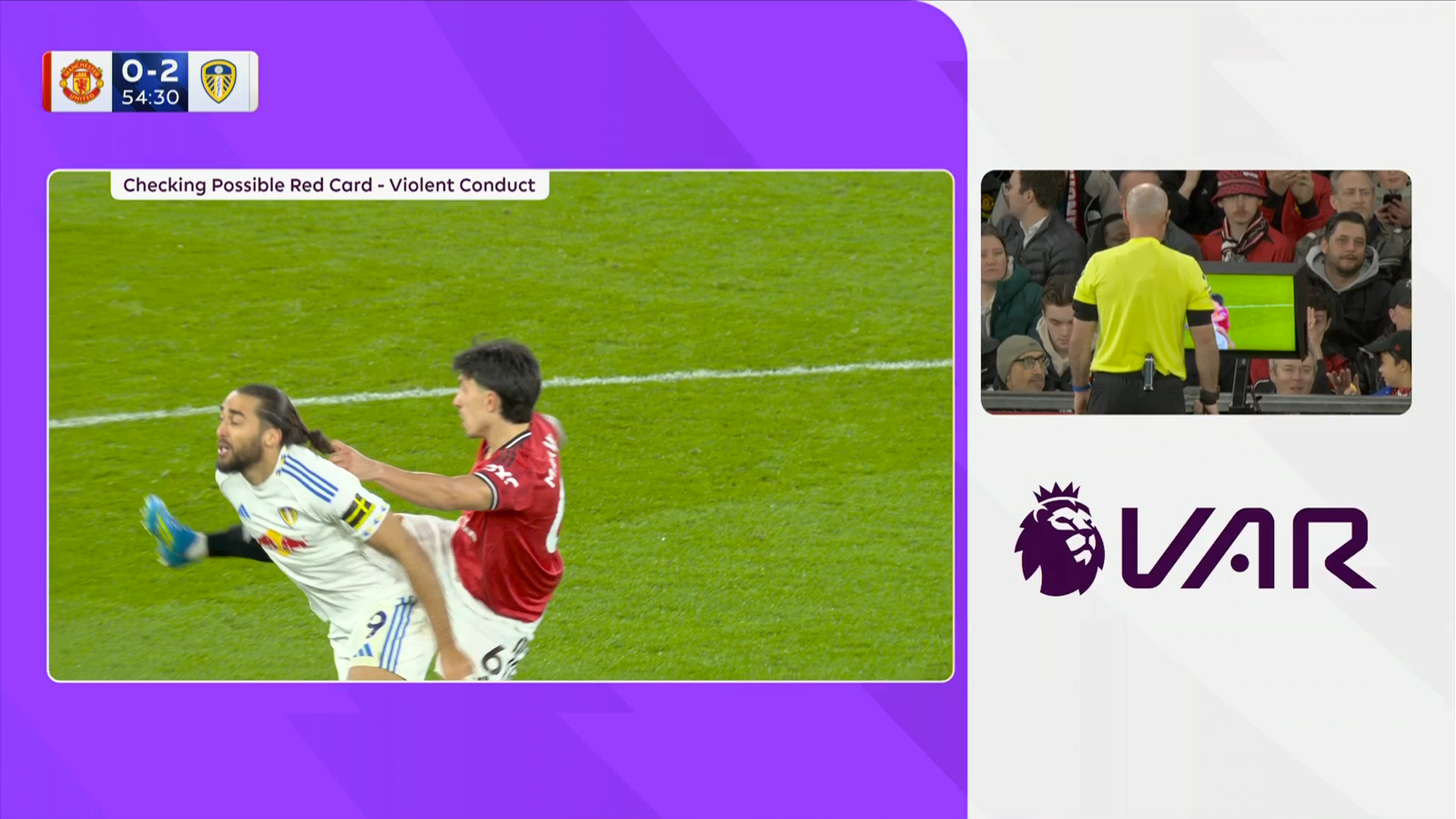
Referees already struggle with the binary nature of VAR reviews during high-intensity set pieces. Adding a subjective criterion like hair pulling invites a mess of micro-fouls that slow down an already disjointed game. If a defender grazes a player’s ponytail while jostling for position on a corner in the 14th minute, the game stops. This is unnecessary administrative bloat for a sport that desperately needs to keep the clock moving.
The inconsistency traps
The primary issue remains the discrepancy in how individual officials judge contact. We saw the league attempt to tighten handball procedures three years ago, which resulted in a spike of controversial late-game penalties. Giving officials another subjective trigger ensures that arguments about intent versus accidental contact will dominate the post-match discourse. It shifts the focus from the tactical battle to the referee's notebook.
The danger of tactical simulation
We are going to see a rise in theatrical collapses. If a player knows that a gentle tug on their hair results in a yellow card for the opponent, the incentive structure is broken. We already see players manipulating the system during light contact in the box to earn fouls. Introducing a rule that is so easily mimicked is a tactical gift for cynical strikers.
Players with longer hair, like Darwin Nunez or Jack Grealish, will become lightning rods for this rule. Defenders will have to modify their marking technique to avoid inadvertent contact, which might actually open up more space in the box. A defender standing off because they are afraid of touching hair is not defending; it is a tactical concession. This will lead to higher xG figures for teams that cross the ball frequently, not because their delivery is better, but because of a defensive fear of the whistle. Watch for a spike in booking volume before October.
The verdict
This policy change will likely be walked back or drastically softened by the end of the year. The Premier League has a history of introducing reactionary mandates that collapse under the weight of logical scrutiny. By January, officials will be ignoring the rule entirely to avoid total match disruption. It is a solution searching for a problem, and the referees are the ones who will pay the price in public perception. Expect a 25 percent increase in yellow cards for 'unsportsmanlike conduct' in the first month as referees try to set a tone that they cannot maintain.