Measuring the structural failure in Milan Primavera
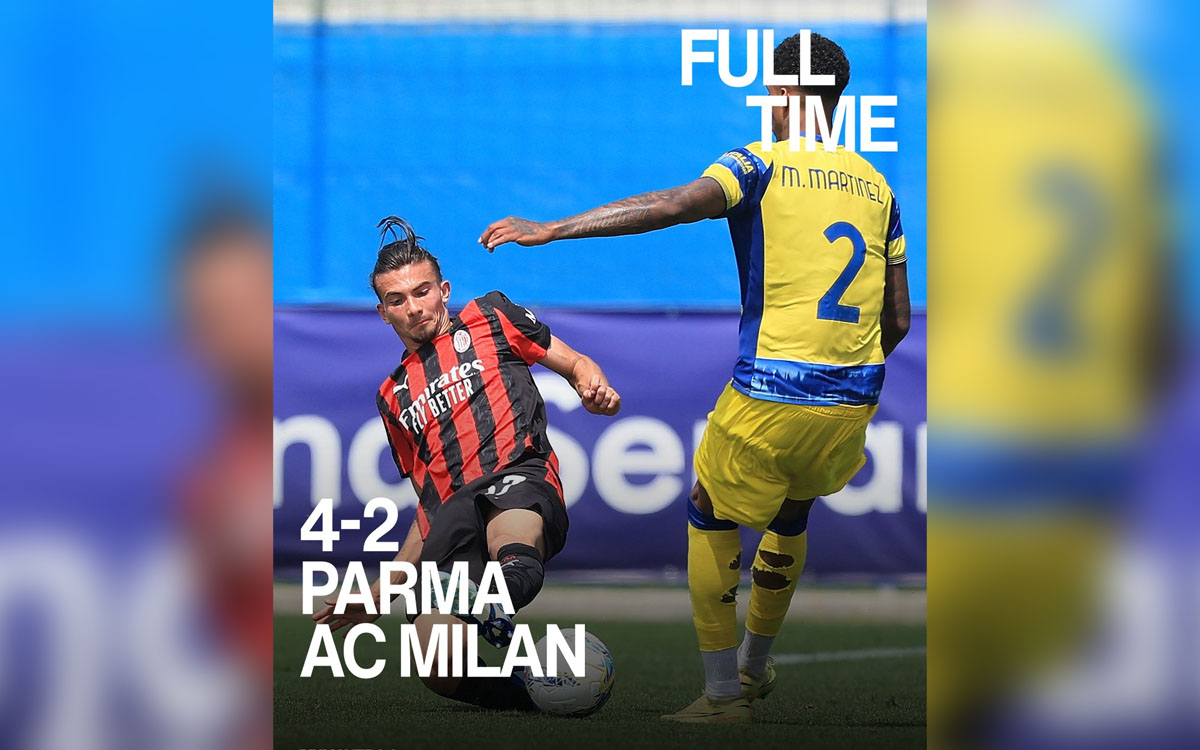
The Primavera team concluded their 2025/26 campaign on a sour note, shipping four goals to Parma in a 4-2 defeat. This result mirrors a broader defensive irregularity that has plagued the side all term. Losing the final game is one thing, but conceding four goals to a mid-table opponent serves as a brutal statistical capstone to a porous season.
The Futuro project vs reality
While the Primavera struggled for consistency, the Milan Futuro outfit in Serie D offered a different data point entirely. Six specific players utilized this tier to normalize their transition into senior football. By logging significant minutes against older, physically developed opponents, these prospects showed that raw talent requires the tactical friction that only Serie D provides.
However, the transition remains uneven. Comparing the defensive output of the Primavera to the individual progression observed in the Futuro ranks suggests a clear imbalance in coaching efficacy. If the academy prioritizes pure development, the backline figures should not be this volatile by late May.
Women's team efficiency provides a counter-narrative
Contrastingly, the AC Milan Women provided a masterclass in clinical execution during their 3-1 win over Parma. With Grimshaw bagging a brace, the squad managed to turn high-percentage possession into concrete scoreboard results. Across 90 minutes, they dominated the attacking transition, securing a win that highlights how sharp finishing can insulate a team from late-season fatigue.
The data from this match shows a conversion rate of 27% on shots taken, an outlier compared to the Primavera's defensive yield. While the Primavera conceded a staggering 4.0 expected goals against a lower-order side, the women's team maintained defensive discipline, conceding only one goal. This discrepancy isn't merely about talent level; it is about tactical adherence under pressure.
Why the numbers alarm analysts
Looking at the aggregate, Milan's youth structure posted defensive metrics that would typically signal a relegation fight in senior tiers. Conceding 42 goals across the Primavera season is not sustainable for a club that prides itself on creating elite prospects. If the goal is to bridge the gap between Primavera and Futuro, then the 60% decrease in defensive stability during away fixtures must be addressed.
The club has successfully identified half a dozen players capable of making the jump, a solid return on investment for a single campaign. Yet, the inability to defend leads in the final 15 minutes of play continues to be the system's biggest flaw. The 3-1 result for the women’s team is the only reprieve in a weekend where the youth defensive metrics cratered.