The May Wall Hits Milanello
The tactical whiteboards mean absolutely nothing when the legs finally give out. Football in late May is a brutal, unforgiving war of attrition. Max Allegri is staring down a massive clash against Cagliari with a squad running entirely on fumes. The Milanello treatment room is crowded at the exact moment it needs to be empty.
A trio of players will miss the Cagliari game entirely. That forces the manager to scrape the very bottom of the barrel for his squad's remaining aerobic capacity. This is not a fresh storyline for Milan. The late-season physical drop-off has been a persistent ghost haunting this club for years.
When muscles lose their natural elasticity over a grueling nine-month campaign, tendons take the strain. The microscopic tears from a 50-game season eventually compound into outright failures. Allegri is heavily relying on his trusted men because the medical charts have left him with zero viable alternatives.
Inside Milanello's Unusual Schedule
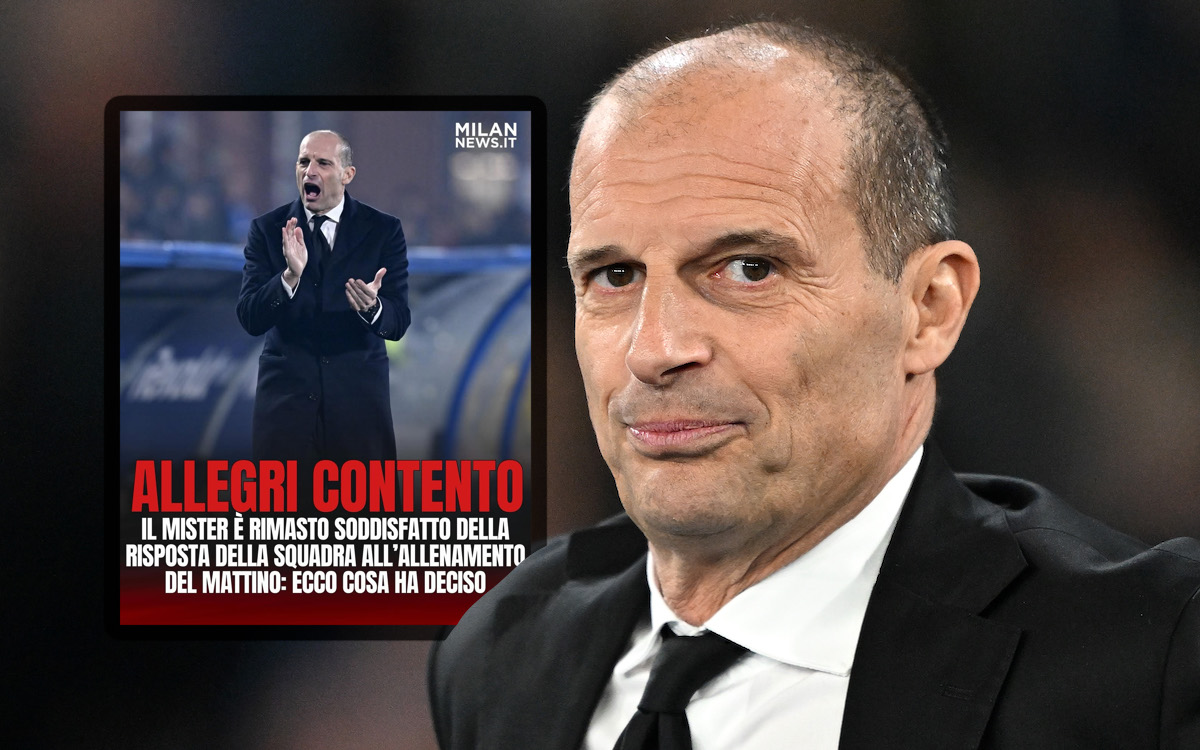
According to La Gazzetta dello Sport, Allegri and his backroom staff instituted an "unusual schedule" at Milanello this week. What does that actually mean from a modern sports science perspective? It involves a drastic, immediate reduction in mechanical load.
You stop the heavy deceleration drills immediately. You cut out the high-intensity small-sided games that force abrupt changes of direction. Instead, training shifts almost entirely to low-impact tactical walkthroughs. Players spend far more time standing in the hydrotherapy pools than they do sprinting on the grass.
The sports science department monitors creatine kinase levels daily. Elevated levels mean active, unresolved muscle damage. You simply do not train players with red-zone markers in late May. You wrap them in cotton wool, manage their diet, and pray they can survive the weekend fixture without collapsing.
Medical Failures and Missing Men
Corriere dello Sport reported that three players have been completely ruled out. This is exactly where severe criticism needs to be directed at the club's medical protocols. Losing one player to a bad tackle is bad luck. Losing three men to muscular breakdown at the climax of the campaign points to a systemic failure in load management.
Did the fitness staff ignore the biometric warning signs back in March? It certainly looks like it. Milan's rotation policy under Allegri has been notoriously rigid all season. When you play the exact same starting eleven twice a week, the physical bill eventually comes due.
The human hamstring can only absorb so much sudden force before it snaps under the pressure. The medical department has to take a hard, unforgiving look at their preventative protocols over the upcoming summer. Whatever they tried to do this spring, it clearly failed the final test.
The Biomechanics of Leao's Curtain Call
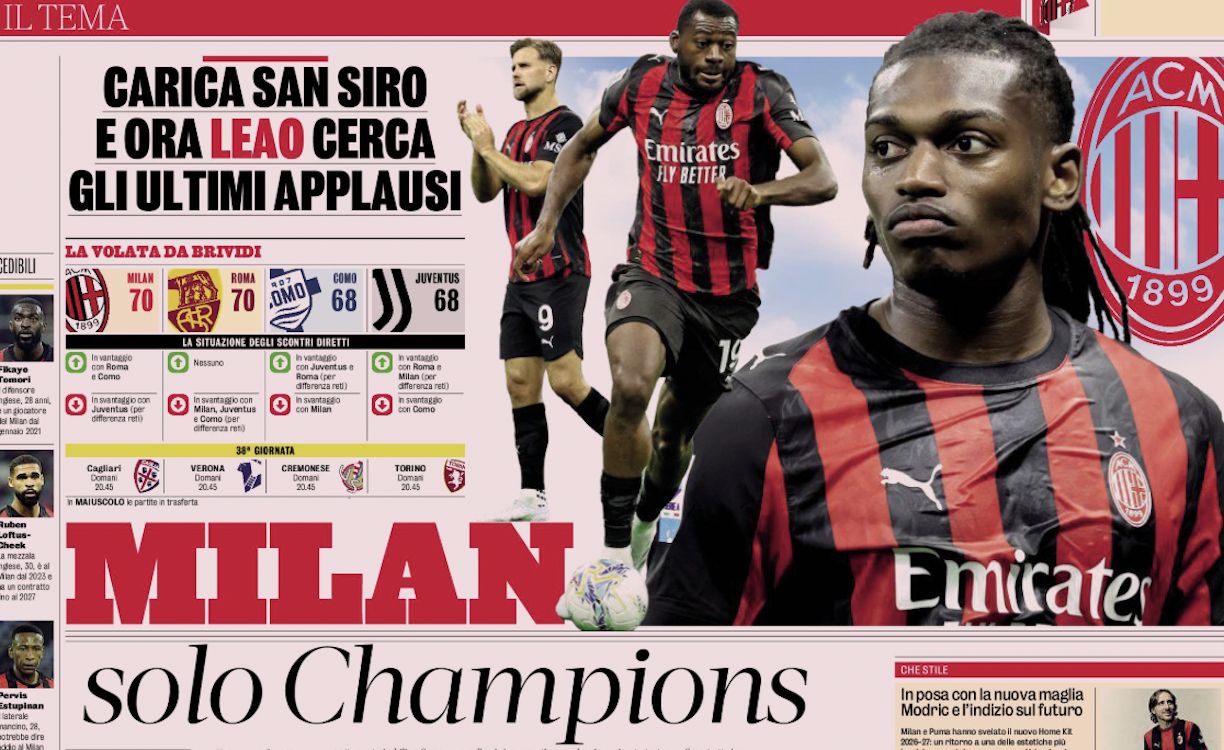
Then there is the creeping anxiety surrounding Rafael Leao. Calciomercato suggests this weekend could be his curtain call in front of the San Siro crowd. If he is carrying even a slight muscle knock, playing him is a massive, irresponsible risk.
Leao relies entirely on fast-twitch muscle fibers. His entire game is built on devastating zero-to-sixty acceleration. That biological profile is an absolute nightmare for late-season injury prevention. When a fast-twitch athlete fatigues, their running mechanics alter subtly but dangerously.
They start to overstride. The hamstring has to work overtime to decelerate the lower leg during the swing phase. That is exactly when the muscle tears. If this is truly his farewell match, the medical staff will be holding their breath every single time he initiates a sprint down the left flank.
Relying on the Iron Men
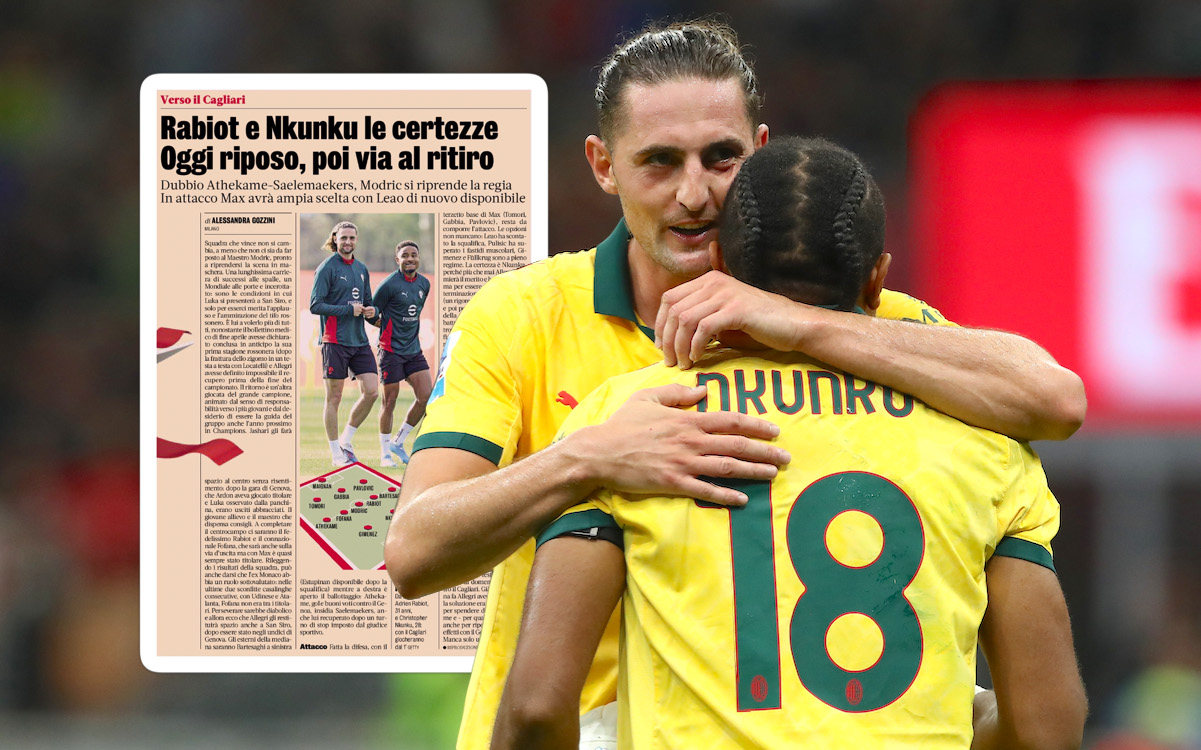
Contrast Leao's explosive fragility with the reliable, churning engines of Adrien Rabiot and Christopher Nkunku. La Gazzetta dello Sport noted that both Frenchmen are the absolute "certainties" in Allegri's formula against Cagliari.
There is a stark physiological reason for this deep level of trust. Rabiot possesses an elite aerobic base. His recovery metrics are consistently off the charts compared to his peers. He can cover heavy distances on a Sunday and repeat the exact physical feat on a Wednesday without his raw power output dropping.
This kind of biological durability is exactly what Allegri values above all else. A manager cannot execute a high-pressing system if his central midfielders are physically compromised. Rabiot and Nkunku are the iron men keeping the tactical structure completely intact.
The Shadow of the World Cup
We cannot ignore the massive elephant in the room. The FIFA World Cup kicks off on June 11. That is exactly three weeks away. The anxiety among international players is currently sky-high. Nobody wants to tear a calf muscle on May 21 and miss the biggest tournament on the planet.
This psychological factor directly impacts physical output on the pitch. Players subconsciously protect themselves. They pull out of 50-50 tackles a fraction of a second early. They hesitate to make that final lung-bursting overlapping run.
For players like Rabiot and Nkunku, balancing club duties and World Cup dreams is a delicate high-wire act. The medical staff has to manage not just the physical fatigue, but the mental exhaustion of a squad looking ahead to a grueling summer in North America.
Cardinale's Vision for a Robust Milan
Gerry Cardinale's decision to keep Allegri goes beyond tactics. It serves as a direct endorsement of his squad-building philosophy. Allegri has made it painfully clear what he needs going forward. He wants players who do not break down in May.
Gazzetta's report on his Champions League requests highlights a burning desire for a "European" Milan side. In modern football scouting terms, "European" simply means physically dominant. It means recruiting elite athletes who can sustain high-intensity running deep into the 90th minute.
It means permanently moving away from fragile, luxury technicians and signing robust powerhouses. The medical room should never dictate the starting lineup in a knockout tie. Cardinale understands that the fitness department needs better raw materials to work with next season.
Historical Echoes of Milan Lab
Allegri is absolutely no stranger to the ghosts of Milanello's treatment room. During his first stint at the club well over a decade ago, the rapid decline of the once-fabled Milan Lab coincided with a devastating run of muscular injuries. Alexandre Pato's hamstring became a bleak, weekly soap opera.
Now, history is threatening to repeat itself in the worst possible way. The game has become significantly faster since Allegri's first tenure. The physical demands on the modern footballer have skyrocketed exponentially. A club cannot rely on outdated recovery methods if they want to compete on multiple fronts.
Modern sports science is about strict prevention, not just extended rehabilitation. If a player feels a twinge during the pre-match warm-up, the medical staff must have the ultimate authority to pull him immediately. The head coach simply cannot overrule the biometric data anymore.
The Final Physiological Test
Cagliari will not care one bit about Milan's heavy, tired legs. They will arrive at the San Siro fully prepared to exploit any drop in intensity. If Allegri's unusual training schedule pays off, Milan will have just enough juice left to control the tempo of the match.
If the medical department miscalculated the cumulative load, the muscle injuries will start piling up on the pitch. Football remains a ruthless physiological test. The most brilliant tactical setups in the world only matter if you have the functional legs to actually execute them.
Allegri is betting everything on his trusted veterans to drag the rest of the team over the finish line. The next two hours of football will definitively show whether that is a brilliant survival strategy, or a desperate final roll of the dice from a physically broken squad.