The double-injury blow impacting Milan’s rotation
AC Milan’s tactical flexibility has hit a personnel wall. As La Gazzetta dello Sport reported, the club is grappling with the forced return of Yunus Musah and Ismael Bennacer to full training rotations, a development that effectively renders nearly 40 million euros in planned summer recruitment depth useless for the current cycle.
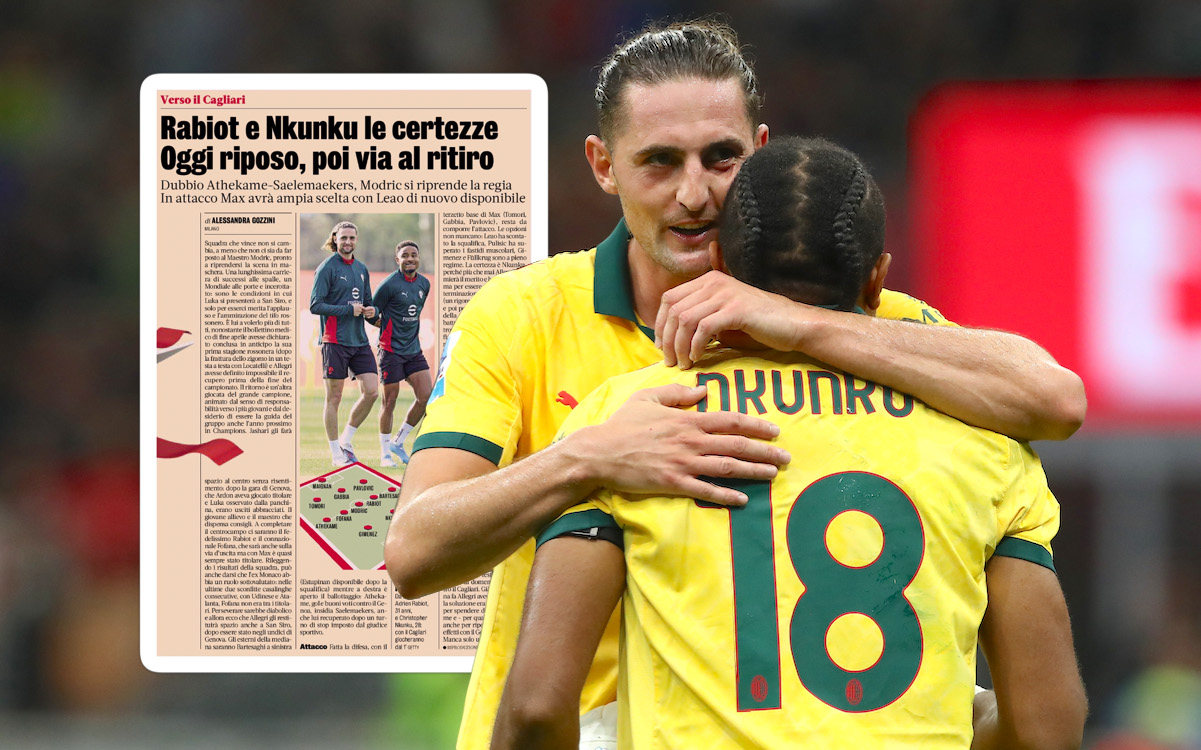
The fitness status of these two pivots dictates the ceiling of the midfield engine room. Losing their availability forces manager Max Allegri away from the fluid configurations he prefers. He has been forced to rely on a rigid 3-5-2 against Verona, anchored by a defensive core of Gabbia, Tomori, and Fofana, because the mobility provided by Bennacer remains absent from the starting XI.
Tactical friction and financial waste
Allegri’s recent shift to the back-three in Verona is a symptom of a deeper roster crisis. While the manager remains committed to the club’s objectives, as noted in his meetings with Furlani, there is an undeniable tension regarding how these players fit his specific profile. The club has invested heavily, yet nearly 150 million euros worth of talent, across six players including the midfield duo, appears to lack the coach’s full trust.
This is not a new narrative for the club, but the scale of the waste is starting to draw concern from internal observers. When key rotational pieces fail to provide the necessary coverage, the club’s ability to compete on multiple fronts diminishes rapidly. The reliance on older, trusted defensive structures rather than integrating fresher legs suggests a lack of faith in the medical recovery of the squad.
The broader impact on Serie A ambitions
Milan currently finds itself in a precarious state where the transfer market is moving faster than the rehabilitation room. While management is exploring options for next season—including potential striker moves for Santiago Castro or Dusan Vlahovic as Tuttosport and GdS have detailed—the midfield remains a liability. If they cannot stabilize the center of the pitch, even expensive forward additions will struggle to find service.
The competitive implications are stark. With teams like Juventus positioning for internal shifts, Milan cannot afford a stagnant period. Allegri has been linked to the Italy national team role, though potential successors like Vincenzo Italiano remain on the periphery. Should the fitness of the squad continue to fluctuate, the front office will face immediate pressure to either replace the manager to force better utilization of the roster, or admit that the 150 million euros spent on these six struggling profiles was a miscalculation.
It is difficult to justify why a squad with such depth currently feels like it is operating on a shoestring. The return of players who cannot perform to their €40m value is a failure of the current physical assessment protocols. Milan needs more than just tactical reshuffles; they need a clean bill of health to avoid ending the season in a mid-table slide rather than challenging for the top four.