The wage bill problem at the San Siro
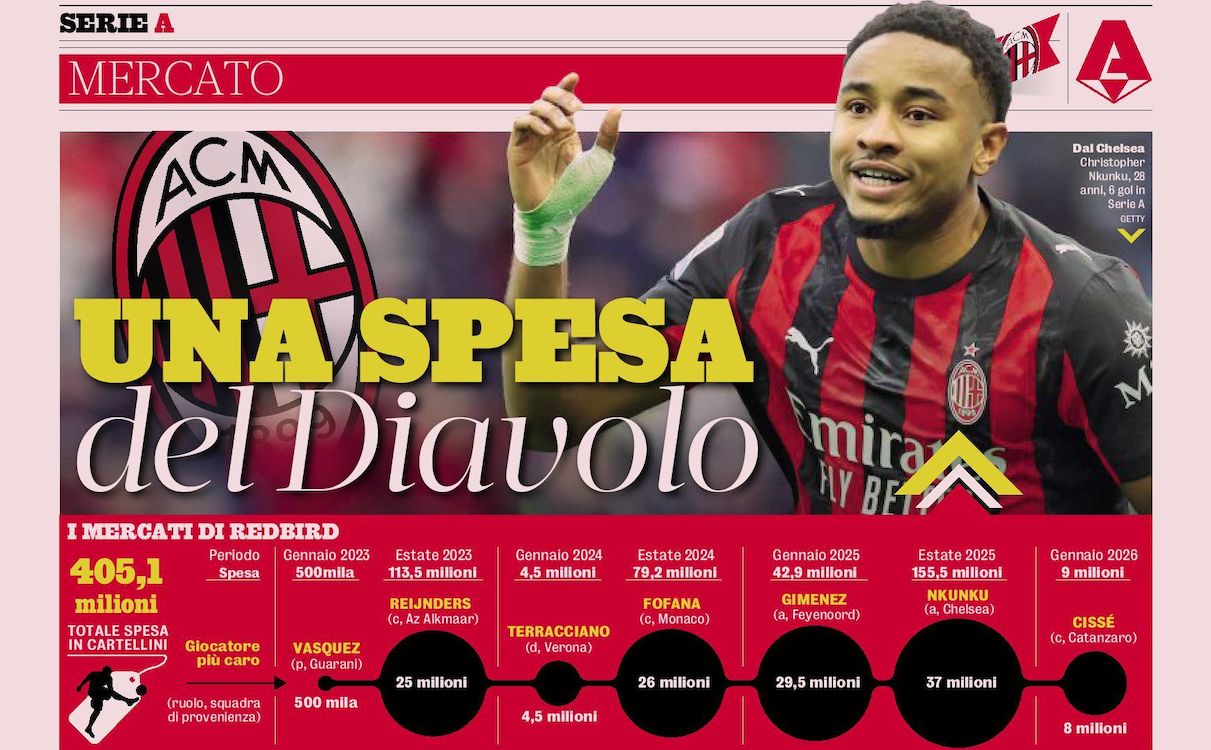
AC Milan currently occupies a precarious position in the Serie A financial rankings. Among the big four clubs, they invest the least in their payroll, an efficiency model that worked during the Scudetto push but now threatens their long-term competitive ceiling. As noted by reports from Sempre Milan, ownership must decide if this austerity is sustainable or if an increase in budget is non-negotiable for the 2026-27 campaign.
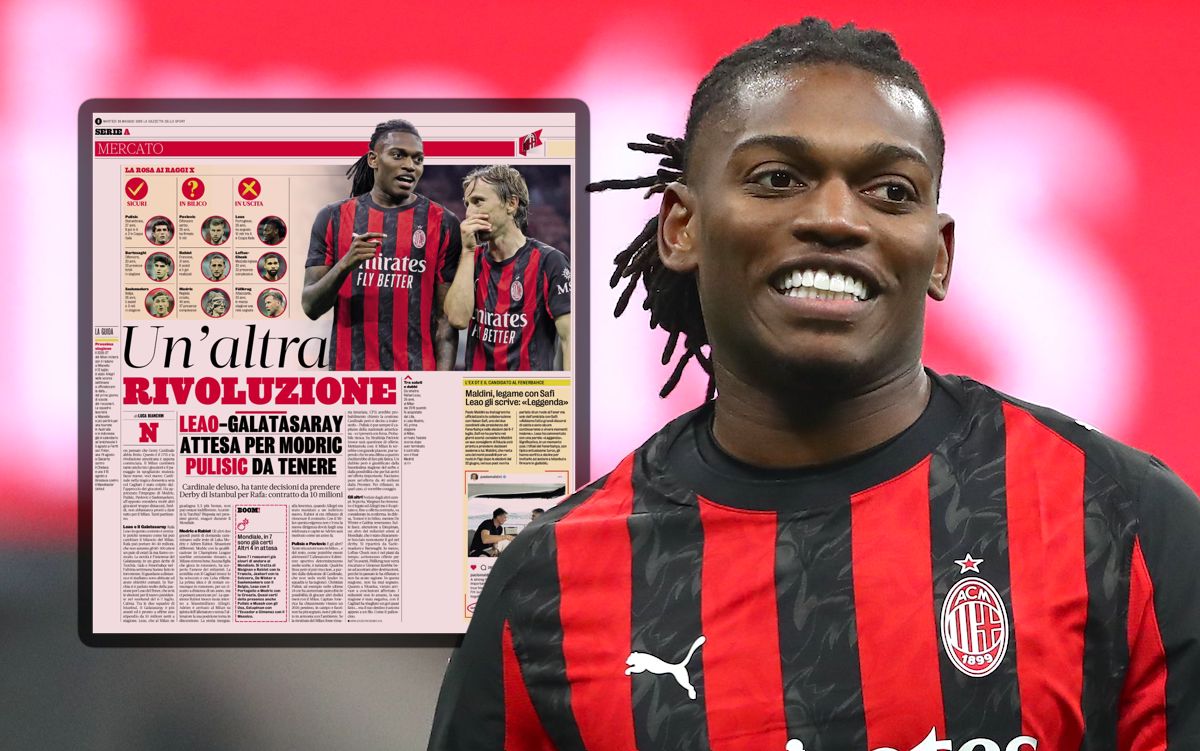
This reliance on low-wage structures often backfires when high-performing assets demand market-value extensions. Christian Pulisic is the latest example of this friction. According to Gazzetta dello Sport, negotiations for a contract renewal have hit a total standstill. The gap between expectation and offer has created a situation described internally as the great freeze.
The outgoing market as a necessity
Management cannot balance the books through salary thrift alone. Producing an effective outgoing market is the directive from the ownership group to the front office. There are currently as many as eight players identified as surplus to requirements, a move intended to clear roster space and generate immediate liquidity.
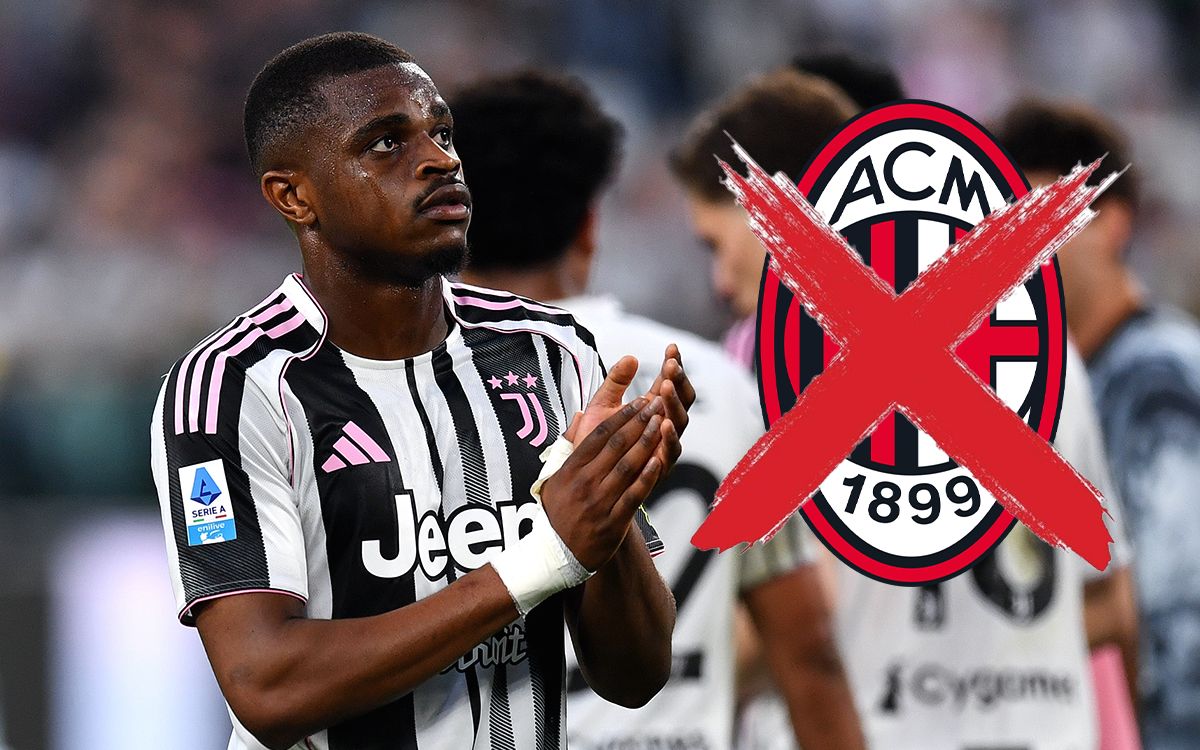
Pierre Kalulu remains a focal point of this transitional phase. Once considered a foundational building block for the defensive line, he has become an unfortunate victim of shifting tactical priorities. Sources within the club suggest the decision-making process around his playing time was designed to nudge him toward an exit. This cold approach to a once-vital defender highlights how ruthless the club intends to be with their squad churn this summer.
Tactical drift and financial reality
The failure to secure Pulisic long-term creates a massive hole in the attacking strategy. If a deal is not reached, the club faces a binary choice: sell early to recoup a fee or lose a top contributor for nothing on the open market. This is the exact type of mismanagement that plagues clubs unable to bridge the gap between financial stability and on-pitch quality.
The defensive pivot regarding Kalulu also signals a shift in style. By phasing out a versatile player who offered cover across multiple roles, the club is leaning into a more rigid tactical configuration. Whether this holds up against elite opposition in the Champions League remains largely unproven. It is a high-risk departure from the flexibility that characterized their recent title-winning era.
Financial austerity without clear sporting success is a dangerous game for any Italian club. By keeping the wage bill artificiality low, Milan risks losing the core talent that allows them to compete for European spots. The contrast to their rivals is growing more pronounced every month. If they cannot retain dynamic wingers or maintain continuity at the back, they risk being left behind by Inter and Juventus.
Moving forward, the primary challenge is identifying where the revenue from these eight player exits will be funneled. Reinvestment is not a guarantee. If the funds are used solely to service debt rather than upgrading the starting XI, fans should expect a dip in performance next season. The market will open shortly, but the internal friction is already apparent.
This strategy relies on the assumption that the scouting department can strike gold twice with undervalued prospects. Relying on this luck is a poor substitute for a sound economic plan. The current impasse with key players is a warning sign. Without compromise, this summer could mark the end of the current iteration of the squad entirely.
Probability and outlook
The probability of a massive squad overhaul is high. The club requires capital and is clearly signaling to individual players that their time has passed. The likelihood of a Pulisic renewal during this current freeze is low as both sides appear comfortable waiting for the season's conclusion at the end of May.
Expect movement on the departure list to begin as early as mid-May once the final league standings are confirmed. If Kalulu moves on, look for the club to seek a younger, profile-specific replacement rather than a veteran free agent. The club must decide if they are a destination for success or a platform for growth. Right now, they look like both and neither simultaneously.
The impact of this approach is definitive. If they get it right, they refresh the squad for another title run with a sustainable financial footing. If they get it wrong, they gut the team's depth and lose institutional knowledge that can take multiple seasons to replace. With no room for error, the coming three months are the most defining period in the current ownership's tenure.