The Tier 2 Report: A radical pivot at Casa Milan
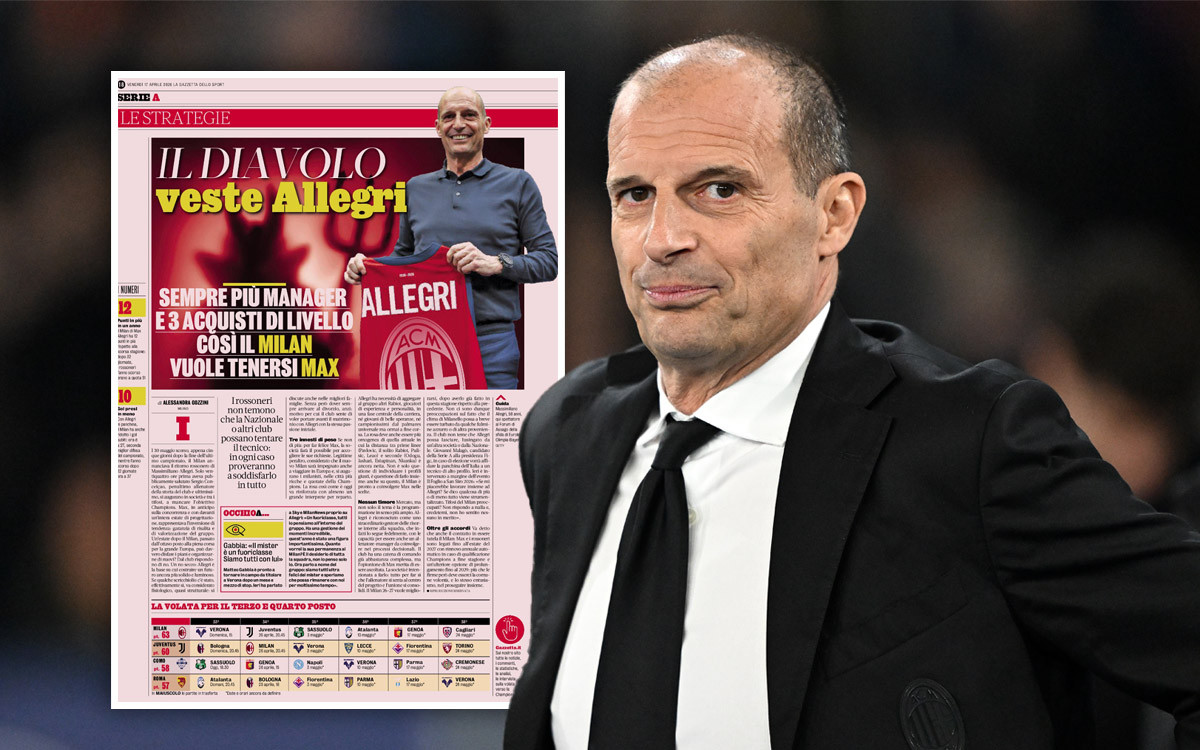
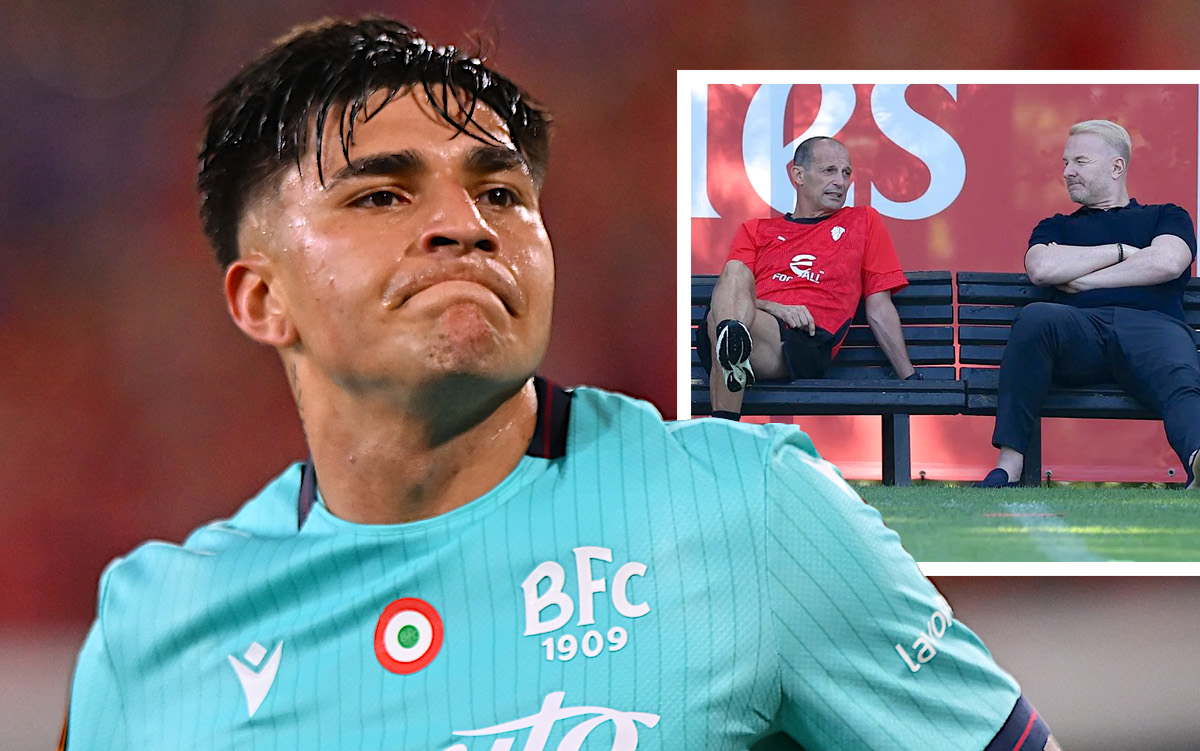
La Gazzetta dello Sport (Tier 2) has outlined a massive structural shift coming to AC Milan this summer. The report suggests that the club is preparing for a significant overhaul to accommodate what they describe as Allegri's Milan, a tactical pivot that requires four key signings to function. This isn't just about adding depth; it is a total reassessment of a squad that has struggled for identity since the departure of veteran leaders. The management is reportedly looking at a specific profile for each level of the pitch, starting with a new defensive anchor and ending with a clinical finisher who can actually justify their price tag.
As La Gazzetta reported, the targets have already been identified. The focus is on physical reliability and tactical discipline, two traits that have been sorely lacking in the current rotation. While fans might be divided on the return to a more pragmatic style of play, the board appears convinced that a disciplined structure is the only way to bridge the gap in the Scudetto race next season. The move signals an end to the experimental recruitment of the last two windows, shifting toward players who have already proven they can handle the pressure of the San Siro.
The striker vacuum and the Giroud shadow
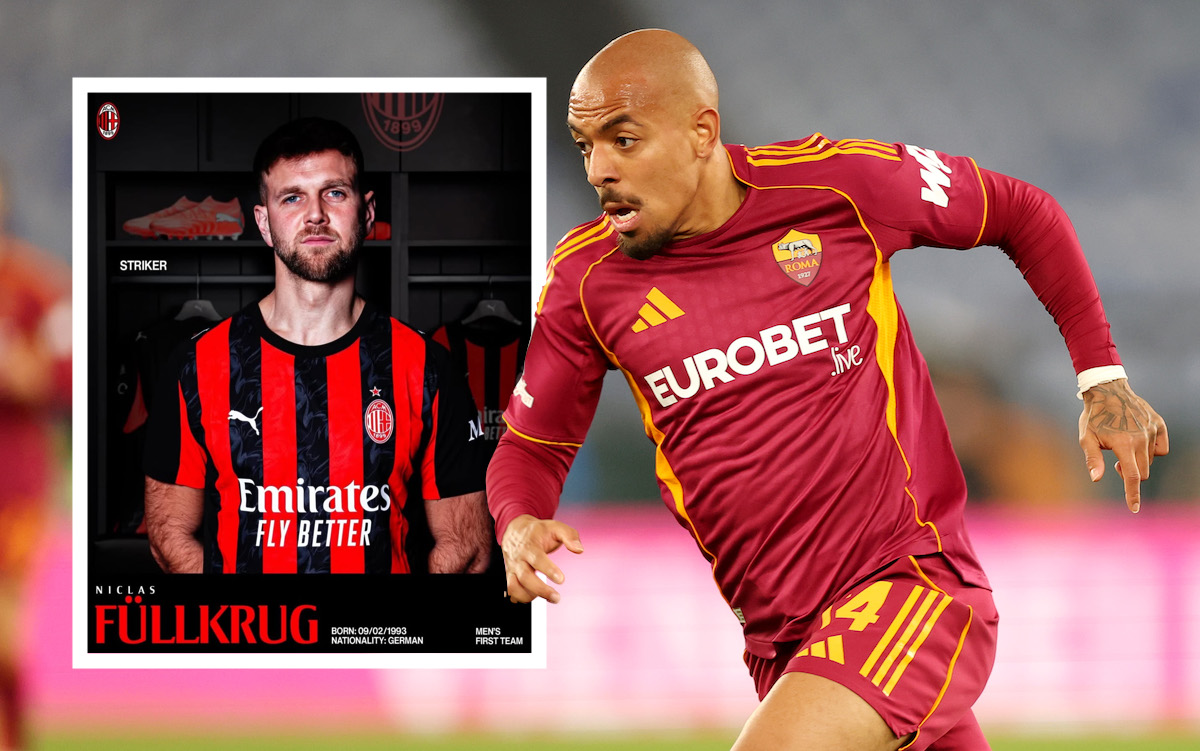
The most glaring issue remains the center-forward position. It is a problem that even former players are beginning to comment on publicly. Olivier Giroud, who left a massive void in the dressing room, recently admitted he misses the club dearly. He noted the current "striker problem" with an emotional tone, suggesting that the team has lost its focal point. Without a player of Giroud's stature to hold up play and provide a veteran presence, the Milan attack has looked disjointed and frequently toothless against low-block defenses.
Giroud’s absence isn't just about goals; it is about the gravity he provided on the pitch. Giroud expressed his concern regarding the lack of a clear successor, and the statistics back him up. The current crop of forwards has failed to replicate his efficiency or his knack for scoring in the biggest matches. This emotional and tactical deficit is exactly what the new recruitment drive aims to fix, though finding a "new Giroud" for a reasonable price is proving to be a logistical nightmare for the scouting department.
The worrying numbers behind Milan's strike force
Real journalism requires looking at the balance sheet as much as the heat map. The numbers currently coming out of Milan are ugly. Analysis from GdS highlights worrying numbers regarding the cost-per-goal of the current attacking lineup. When you factor in transfer fees, amortized costs, and massive wage packets, Milan is paying a premium for a return that would be considered mediocre at a mid-table club. The efficiency of the front line has plummeted, leaving the team reliant on individual moments of brilliance from the wings rather than a coherent attacking system.
This financial burden is a major driver behind the summer plan. As the latest data suggests, both Milan and Juventus are struggling with the same infectious problem: high-investment strikers who deliver low-impact results. For a club like Milan, which operates on a strict sustainability model, this cannot continue. The next #9 needs to be more than just a big name; they need to be a player who converts at a rate that justifies a 50 million Euro investment. Anything less is a waste of precious capital that could be used to fix the midfield.
Tactical fit: Can Allegri's pragmatism work here?
The tactical fit for these four new signings is centered around a rigid defensive foundation. Allegri’s systems traditionally demand a high level of sacrifice from the wingers and a specialized defensive midfielder who can drop between the center-backs. This is a departure from the more fluid, transition-heavy style Milan has employed recently. The four targets include a physical box-to-box midfielder, a left-footed center-back to provide balance, a versatile winger with high defensive work rates, and the aforementioned marquee striker.
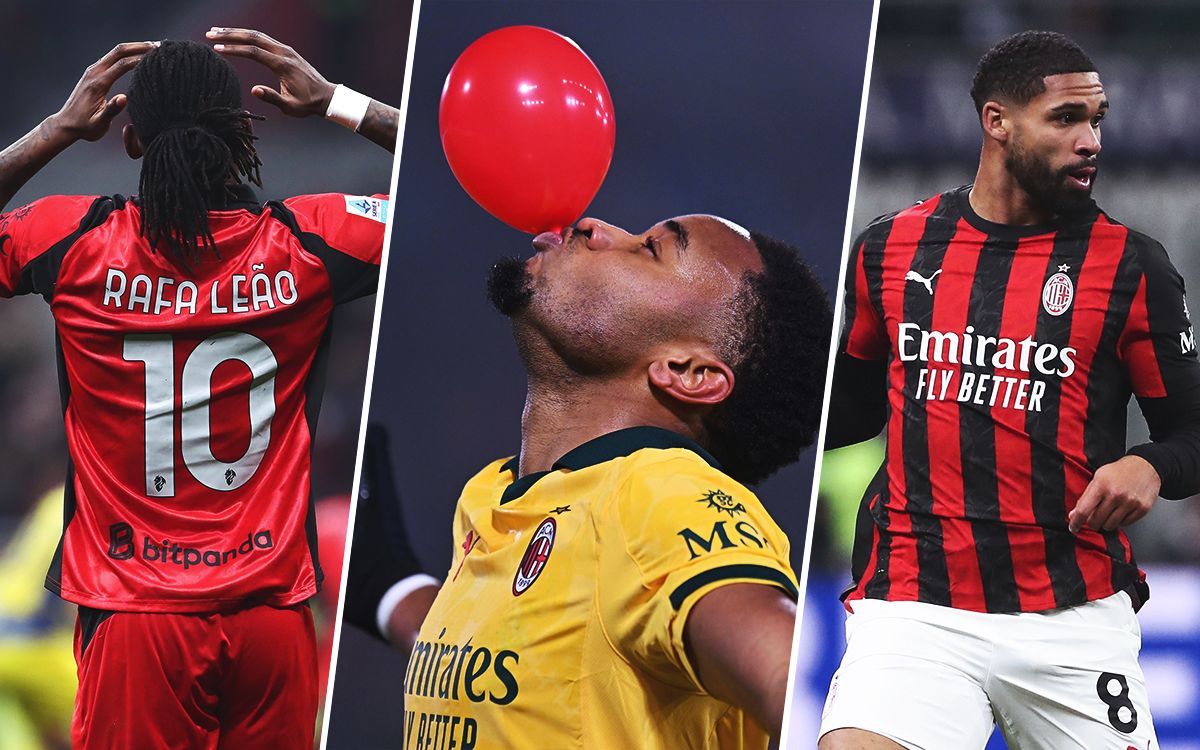
There is a significant risk here. Milan's current squad is built for speed and flair, not necessarily for the slow, methodical grind that an Allegri system often produces. Critics argue that forcing this squad into a more conservative shape could stifle the creativity of players like Rafael Leão. However, the management seems to believe that the current "chaos ball" approach has reached its ceiling. They are betting that defensive stability will provide a more consistent platform for the few creative stars they do have to thrive without having to track back sixty yards every five minutes.
Management backing and the Cafu perspective
Despite the noise from the stands, the board is receiving support from some of the club's greatest legends. Cafu recently spoke out in favor of the current management, suggesting that there is "good management behind them" and backing the club to continue improving next season. Cafu’s endorsement provides some much-needed breathing room for the executives who are currently under fire for the team's inconsistent form. He believes the foundation is solid and that the planned summer investments will be the final piece of the puzzle.
However, optimism from legends doesn't win trophies. While Cafu sees a path to improvement, the reality on the pitch remains a concern. The management has been criticized for being too slow to react to the glaring holes in the squad, particularly in the defensive transition. This summer overhaul is their chance to prove Cafu right, but the margin for error is razor-thin. If these four signings don't hit the ground running, the pressure on the board will become untenable, regardless of what the icons of the past have to say.
Probability and Expected Timeline
The probability of this four-man overhaul happening sits at a solid 70% based on the reliability of the sources and the clear necessity of the moves. Milan cannot afford to go into another season with the same structural flaws. We expect the first movements to happen shortly after the UCL Final in late May, with the club aiming to have at least two of the four signings through the door before the pre-season tour begins. The striker remains the most complex deal to negotiate, and that saga could easily stretch into late July or August as the club waits for the market to settle.
Competing clubs for the top striker targets include Arsenal and Chelsea, both of whom have deeper pockets but perhaps less guaranteed playing time to offer. Milan will need to use their history and the promise of a starting role to lure their primary targets away from the Premier League's financial gravity. The total spend for these four players is expected to exceed 100 million Euros, which will likely be funded by a combination of player sales and the increased revenue from European competitions.
Impact Analysis: A new era or a step backward?
If this deal and the subsequent overhaul go through, the impact will be immediate. Defensively, Milan should become significantly harder to beat. The addition of a specialized defensive midfielder and a tactically disciplined center-back will reduce the number of cheap goals conceded on the counter-attack. This is the cornerstone of the new project. If they can reduce their goals-against tally by even 15%, they will naturally find themselves higher in the table, assuming the new striker can at least match the output of a fading Giroud.
The negative observation here is the potential loss of entertainment value. Allegri’s football isn't for the faint of heart or those who enjoy end-to-end action. There is a real danger that San Siro will become a place of 1-0 grinds and frustrated whistles if the results don't come immediately. Milan fans have grown accustomed to a certain level of attacking verve, and stripping that away in favor of "result-oriented" football is a gamble that could alienate the fan base if it doesn't lead to silverware. It is a high-stakes pivot that will define the next three years of the club's history.