The cost of permanence in the modern era
Napoli’s decision to transition Rasmus Hojlund’s temporary tenure into a permanent contract is a calculated push for stability in a market defined by short-term fiscal hedges. With the summer window fast approaching on June 11, the club is prioritizing established familiarity over the volatility of scouting new prospects. This move reflects a broader trend among Serie A clubs moving away from the loan-to-buy crutch that has dominated recent transfer windows.
Hojlund’s transition illustrates how efficiently managed clubs identify value early. When a player’s output exceeds their initial loan agreement valuation, the contract clause acts as a hedge against inflation. This remains a stark contrast to the speculative spending observed in the Premier League. As recent reports suggest, the tactical restructuring at Old Trafford necessitates this kind of definitive personnel management rather than cycling through temporary loan arrangements.
The trickle-down effect on squad composition
Statistical reliability vs raw potential
The movement in the market is not limited to Italian giants. Clubs like West Ham are navigating a period of intense scrutiny regarding their wingers, as Crysencio Summerville draws interest from several competitors. Summerville has sustained a consistent creative output that makes him a statistical outlier for clubs needing verticality. While top-tier clubs often chase high-ceiling prospects, the 73 percent successful dribble completion rate often provides more utility than raw goal-scoring metrics for squads attempting to break down low blocks.
We see a similar narrative with Lorenzo Colombo’s tenure at Genoa. Milan stands to benefit significantly from the permanent transfer, according to recent financial reporting. These transactions are rarely just about the player's immediate impact. They function as a balancing act for administrative books that require constant maintenance to satisfy UEFA financial sustainability regulations.
The managerial domino effect
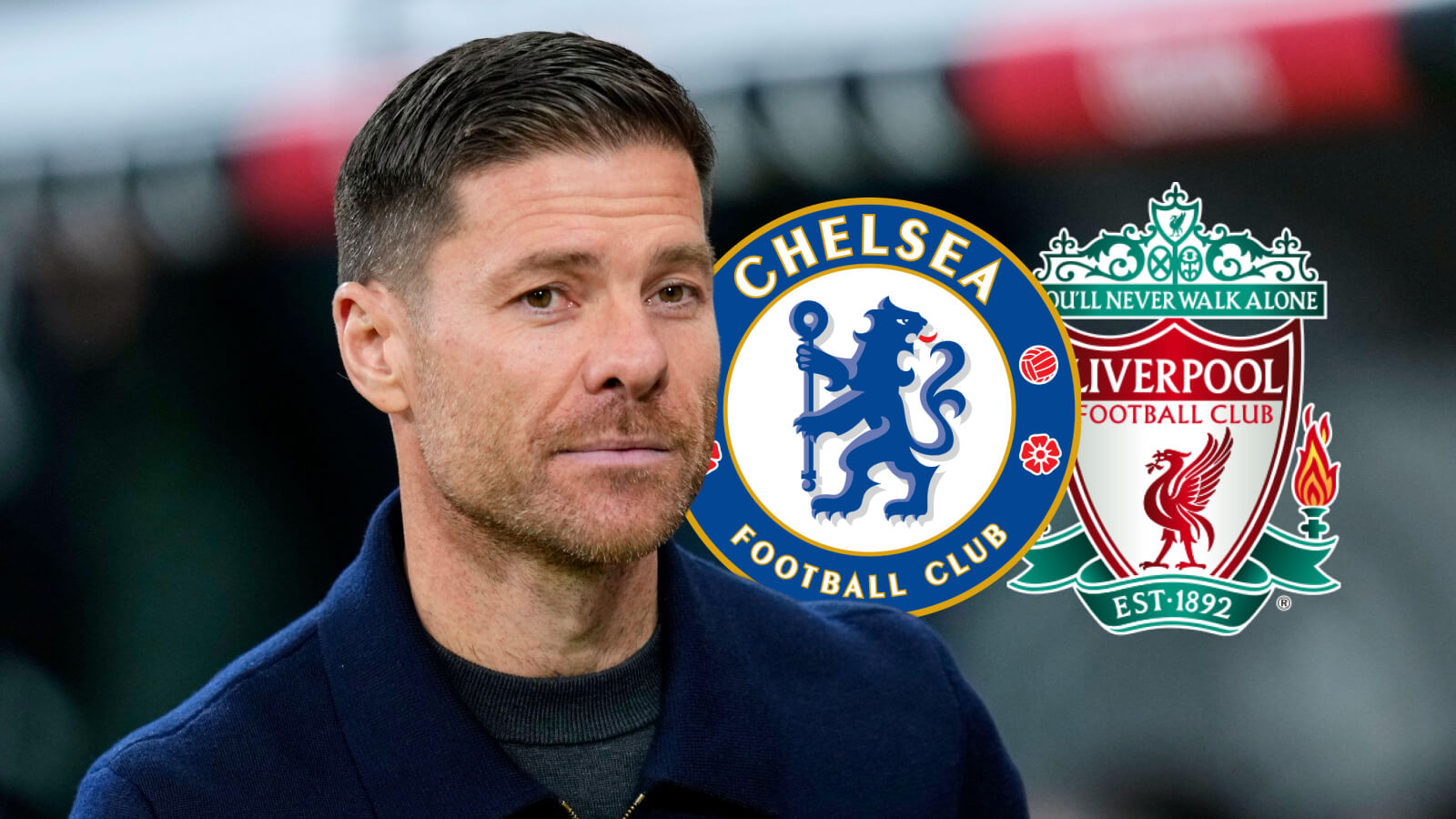
Managerial recruitment has become as volatile as the transfer market itself. Chelsea weighing the appointment of Xavi Hernandez is a fascinating deviation from their recent strategic pattern. If the club commits to a coach with a distinct positional-centric philosophy, the squad will require a total overhaul of the current midfield pivot. The average pass completion rate of a Xavi-led side often hovers around 88-90 percent, which requires a specific profile of central defender currently absent from the internal scouting database.
Elsewhere, Liverpool’s Alisson Becker has emerged as a top target for Juventus. This is a curious development given the goalkeeper's status in the Premier League. If the 33-year-old shot-stopper decides to move, the gap in Liverpool’s defensive infrastructure would be significant. Alisson currently maintains a 76 percent save percentage, a number that is rarely replaced effectively in a single window without incurring a fee exceeding £50 million.
Flaws in the recruitment pipeline
Despite the high-profile nature of these moves, the efficiency of these transitions is uneven at best. Manchester United’s targeting of West Ham’s Mateus Fernandes suggests a disconnect between the club’s current defensive needs and their willingness to gamble on younger talent. Scouting dossiers often prioritize age-adjusted performance, but the reality of the Premier League's physicality frequently exposes players who thrive in less demanding tactical environments. Relying on such moves is a high-variance strategy that has historically resulted in sub-40 percent success rates for medium-term impact.
The move for Unai Emery by Real Madrid underscores a different kind of desperation. It implies an internal lack of confidence in the current tactical trajectory of European champions. While Emery has proven effective at Aston Villa with a 54 percent win rate over his tenure, the jump to a mandate-heavy role at the Bernabéu is a different exercise entirely. The data supports Emery as a specialist in European knockout football, but the sustained pressure of a full domestic campaign remains his primary challenge.