The statistical mirage of the Alonso effect
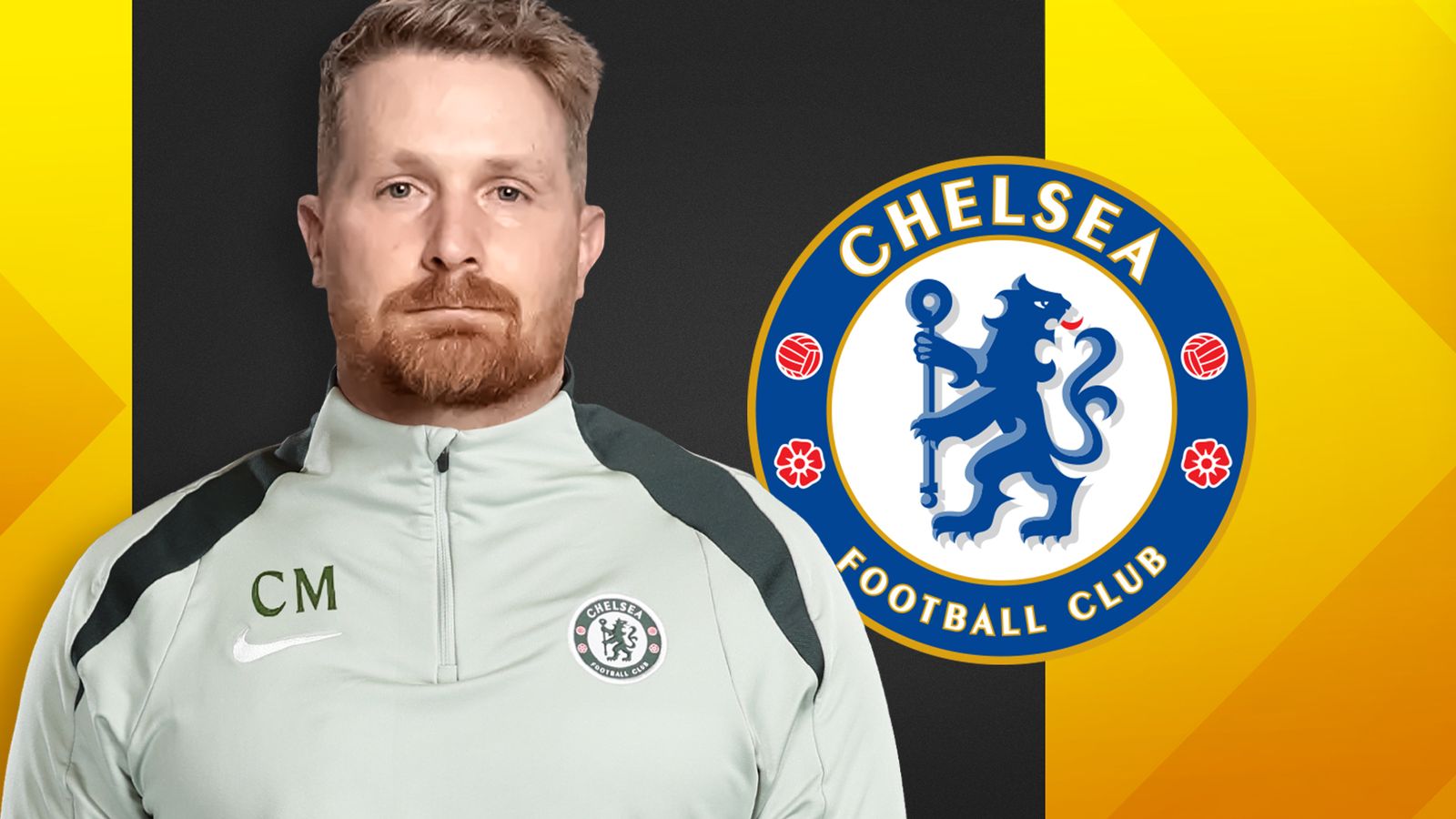
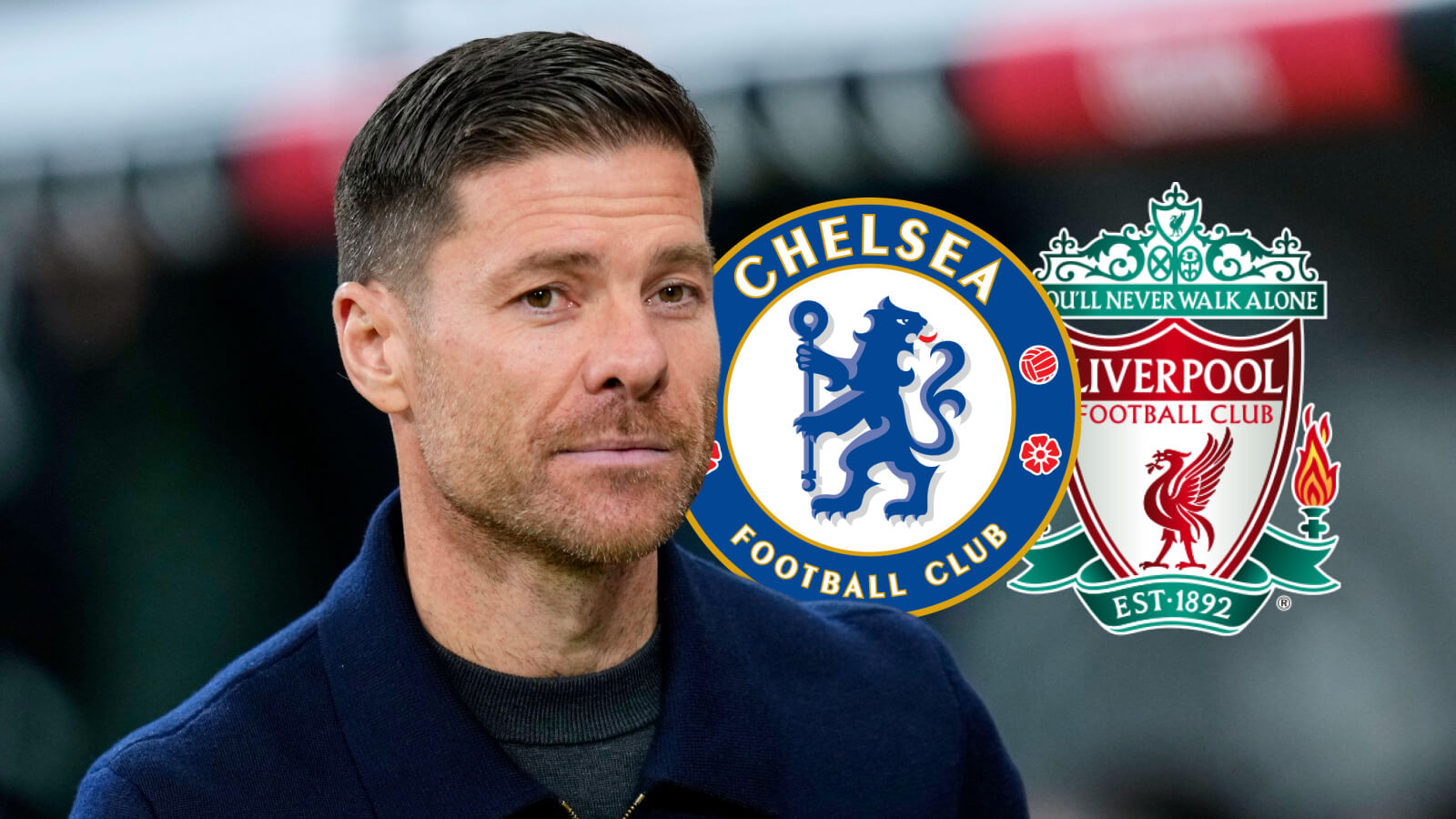
In the high-stakes world of elite management, recruitment is rarely about current form and almost always about the mythological aura of a candidate. Xabi Alonso currently occupies the center of a tug-of-war between Liverpool and Chelsea that feels less like a strategic hiring process and more like a collective hallucination. With Chelsea currently operating under the interim guidance of Calum McFarlane following the dismissal of Liam Rosenior, as reported by the Daily Mail, the club's board is casting a wide recruitment net. Yet, the fixation remains solely on the Spaniard.
We are seeing clubs treat managerial appointments like high-frequency trading algorithms, overvaluing volatility and potential upside against the 0% certainty of mid-term success. Fabrizio Romano has famously floated the prospect of a potential transition, but the numbers suggest that chasing the current zeitgeist is a recipe for long-term imbalance. Liverpool, meanwhile, find themselves in a self-inflicted tactical tailspin regarding Arne Slot, with local reports suggesting the current leadership could view his tenure as a 100% avoidable misstep before it truly finds its footing.
The Chelsea vacancy data point
Chelsea's interest in Alonso is a classic case of responding to a crisis with a premium-priced vanity project. According to details shared by Football365, Chelsea have already initiated contact with Alonso, despite having at least four other names on their internal shortlist. This indicates a scattergun approach to the head coaching role that has rarely paid dividends under the current ownership structure.
The data from the current campaign highlights why this desperation is premature. While Alonso’s profile is elite, Chelsea’s current squad is statistically disparate, requiring a stabilizing hand rather than a project manager who may still hold a 40% higher preference for a return to Anfield over a move to Stamford Bridge. The reliance on external hype rather than internal cohesion metrics is exactly why the Blues have been cycling through bodies at such an aggressive rate.
Liverpool's Slot dilemma vs. the Alonso dream
Liverpool’s situation is equally puzzling. The discourse surrounding Arne Slot has shifted from tactical optimism to defensive skepticism, with concerns raised by prominent reporters that the club might be on the precipice of a 50% stagnation in output if they do not pivot immediately to their preferred target. As noted by Football365, the narrative has turned potentially 'toxic' because of the lingering shadow of the Spaniard.
This is a fundamental failure of succession planning. When a club openly signals that their current manager is merely a stop-gap for someone allegedly waiting in the wings, dressing room buy-in for the current system drops precipitously. If the internal KPIs for Slot’s performance are being weighed against a ghost rather than his own tactical adaptability, Liverpool is effectively sabotaging their own 2026/27 campaign before the preseason even begins.
The danger of the 'name' trap
The fixation on Alonso ignores the reality of team-building. Successful managers in the modern era rarely succeed by inheriting a set of players and forcing them into a rigid philosophy; they succeed by adjusting their pressing triggers and build-up patterns to suit the existing squad's 65% average pass completion density or specific defensive frailties. By pinning their hopes on one specific candidate, both Liverpool and Chelsea are failing to assess the structural needs of their respective outfits.
Ultimately, the obsession suggests that both clubs are prioritizing marketing potential over tactical precision. They are chasing a brand identity rather than correcting the underlying performance metrics that led to their current states of instability. Until the recruitment process shifts away from chasing a singular 'savior' narrative, both teams will remain trapped in the same loop of high-expenditure, low-cohesion chaos.