The $180 structural glitch
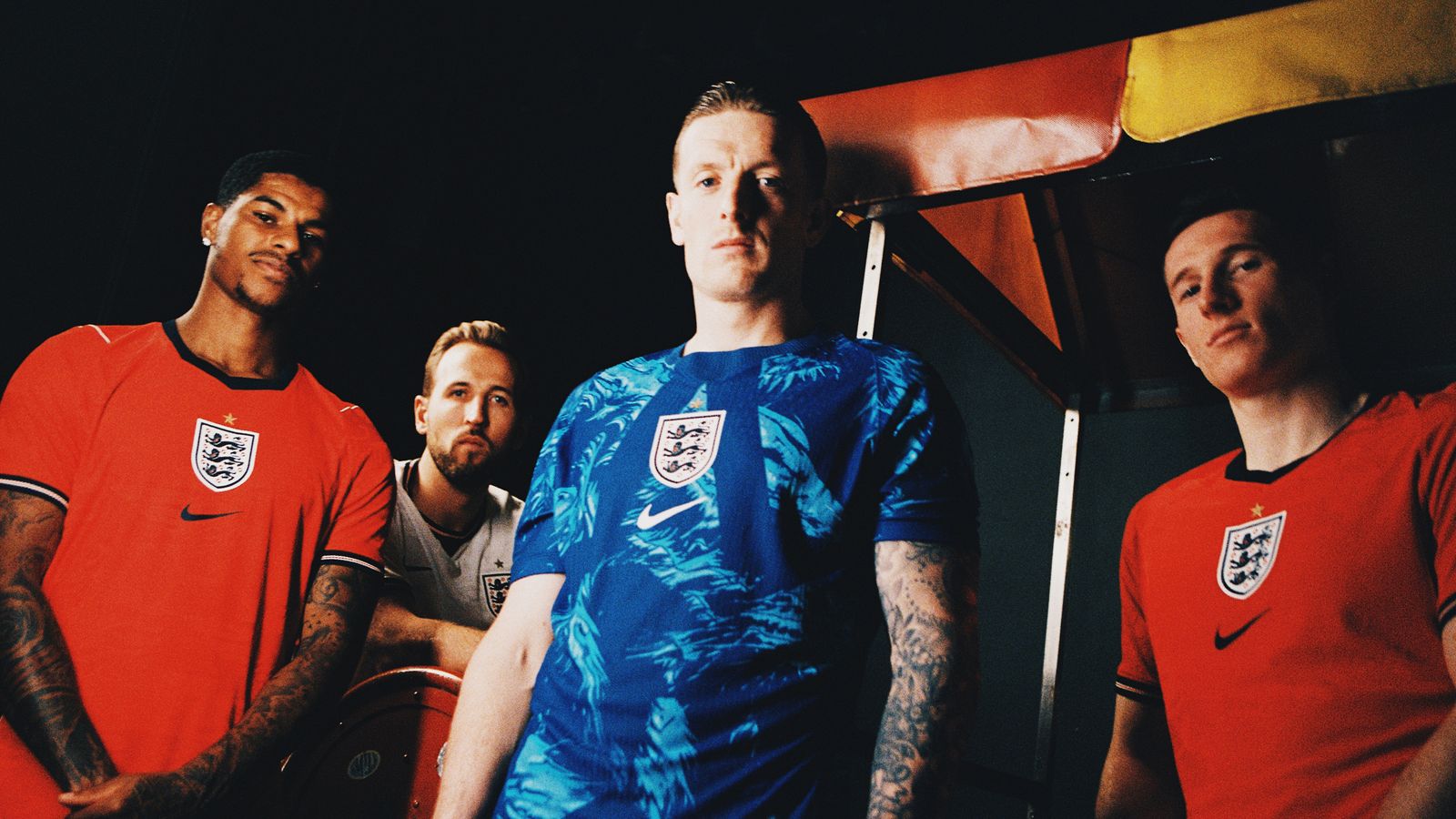
We are exactly 64 days out from the biggest World Cup kickoff in human history. 48 teams. Three countries. Thousands of hours of marketing data distilled into polyester. And yet, the biggest sportswear brand on the planet is currently sweating over a basic seam. It is like spending five years developing a revolutionary AI model only to realize it cannot differentiate between a cat and a toaster. Nike dropped their 2026 collection in late March and the reception was actually decent for once. Then the physical kits arrived.
Reports started filtering through Discord servers and kit-nerd forums almost immediately. There is a weird, protruding lump on the shoulder of the new high-tech shirts. It looks less like a sleek athletic garment and more like the players are wearing invisible 1980s shoulder pads. For a company that charges a premium for their authentic 'Dri-FIT ADV' tech, this is an embarrassing hardware failure. It is the clothing equivalent of a firmware update that bricks your GPU right before the season finale.
The USMNT canary in the coal mine
The US men's national team kits were supposed to be the crown jewel of this rollout. As The Guardian reported, the USMNT got their most distinctive look in years. The fans were actually happy. Then they put the shirts on. The 'strange seam' isn't just a cosmetic annoyance — it is a structural defect that changes the silhouette of the athlete. You have world-class players like Christian Pulisic looking like they have a structural glitch near their collarbone.
Nike issued a statement saying they are aware of the issue and are looking into how to address it. That is corporate-speak for 'we have already printed five million of these and we are terrified.' There is no easy fix for a seam that is baked into the template of the jersey. You cannot just patch this out with a software update. This is a physical manufacturing bottleneck that could define the visual identity of the 2026 World Cup for all the wrong reasons.
A history of quality control nightmares
This isn't the first time the swoosh has tripped over its own innovation. We all remember the 2024 MLB jersey disaster where the pants were practically see-through and the names looked like they were ironed on by a distracted intern. It seems the quest for 'lighter, faster, more breathable' materials has finally collided with the reality of basic tailoring. When you push the boundaries of fabric tension, sometimes the fabric pushes back.
The price point makes the failure even harder to swallow. Fans are expected to drop $180 for an authentic version of these shirts. For that kind of money, you expect a garment that understands the basic geometry of a human shoulder. Instead, supporters are getting a shirt that clips through itself. It is a cynical reminder that 'innovation' is often just a fancy word for 'we found a cheaper way to bond these edges and it didn't work.'
The logistical race to June 11
The clock is ticking. The World Cup kicks off on June 11, 2026. Nike has to decide if they are going to recall the current stock or just hope the TV cameras don't pick up the shoulder lumps. Re-manufacturing these kits in time for the tournament is a logistical nightmare that would make a supply chain manager weep. We are talking about dozens of national teams and millions of retail units across the globe.
If they don't fix it, we are going to see the world's best athletes running around Mexico, Canada, and the US looking like they forgot to take the hanger out of their shirt. It is a massive unforced error. While Adidas is leaning into retro-inspired designs that actually fit, Nike is stuck defending a high-tech seam that nobody asked for and nobody likes. One thing is certain: the 'distinctive' USMNT kit is definitely going to be remembered, just not for the reasons Nike intended.
The human cost of corporate over-engineering
Every time a company tries to reinvent the wheel, they end up making it square. The irony is that the fans don't want 'aerodynamic shoulder bonding.' They want a shirt that looks good at the pub and doesn't fall apart after three washes. Nike’s obsession with being a tech company rather than a clothing company has led them into this trap. They are trying to solve problems that don't exist and creating new ones in the process.
The critical observation here is simple: Nike has lost the plot on quality control. They are coasting on brand loyalty and massive sponsorship deals while the actual product quality slides into the bin. You can have the best marketing campaign in the world, but if the shirt makes a pro athlete look like a hunchback, the campaign is a failure. The 2026 World Cup is supposed to be a celebration, but for Nike, it is turning into a PR cleanup operation.
We have seen this movie before. A big brand ignores the warnings from the manufacturing floor because the 3D renders look great in a PowerPoint presentation. Now they have to face the music. Whether they can pivot in 64 days remains a massive question mark. If you’re a fan planning to buy one of these, maybe wait for the 'Version 2.0' or just stick to the retro shirts. At least those designers knew where a shoulder was supposed to be.
Read Next