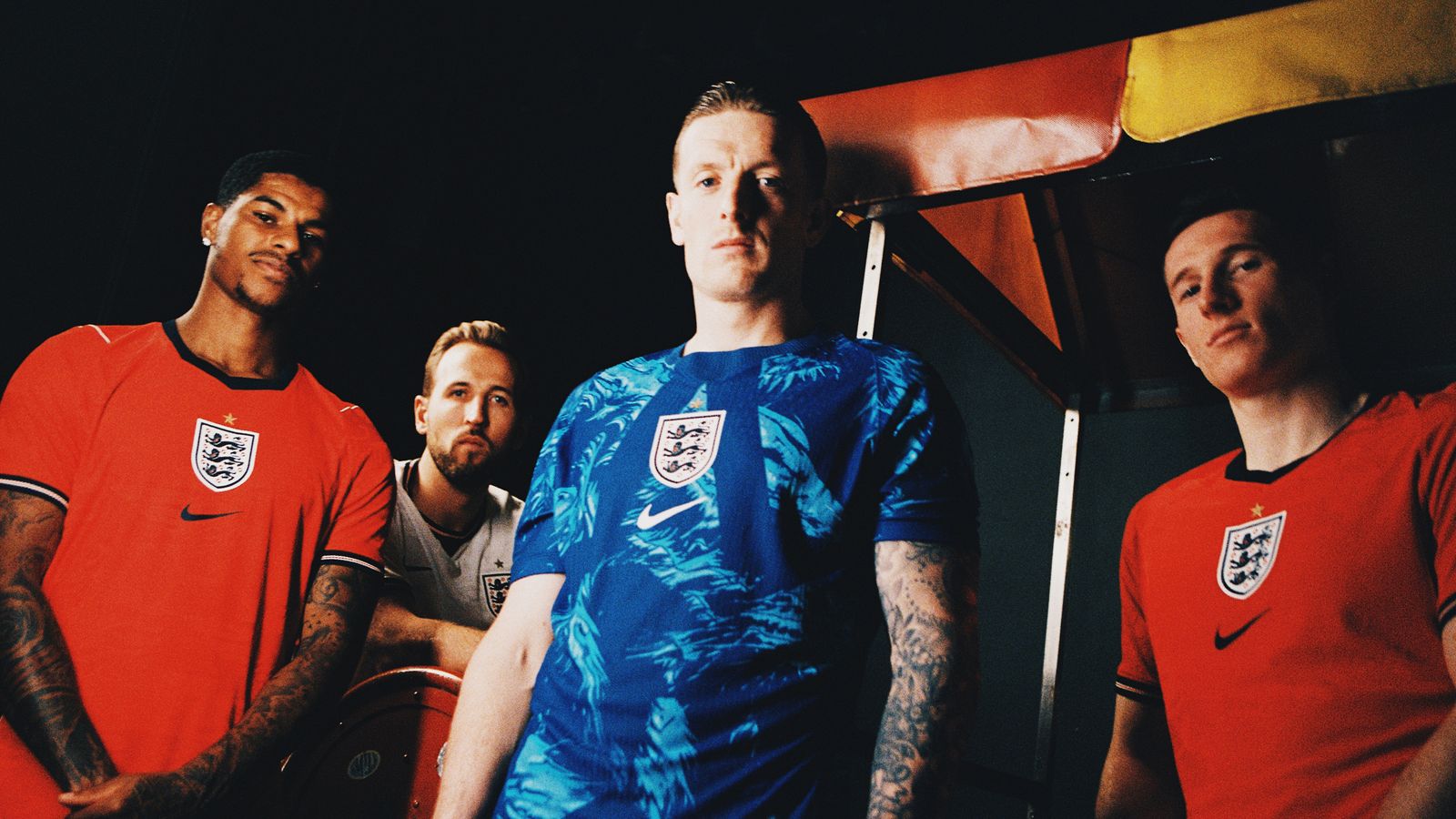
The technical error behind the World Cup countdown
As the international football calendar pushes toward the 2026 World Cup, an unexpected problem has emerged off the pitch. Nike is currently investigating reports of significant design flaws within the kits scheduled for use by several federations, most notably England. With the tournament kickoff set for June 11, 2026, this timing creates friction for national teams preparing for their final squads.
Technical malfunctions in high-performance apparel are rare but carry immense weight during a cycle this short. Players rely on specific moisture-wicking fabrics and compressed fits to maintain body temperature and mobility during high-intensity minutes. When a supplier stumbles, it interrupts the preparation flow that sports scientists have spent years building for the tournament environment.
The operational ripple effect
This news broke mid-week as top-tier clubs finish their domestic runs. With the Champions League quarter-finals looming on April 14, focus usually rests on tactics and fitness. Instead, staff at national teams are fielding inquiries about equipment specifications and replacement timelines. It is a distraction that no manager wants in their inbox.
Nike’s official stance confirms they are looking into the issue, though no timelines for a fix have been announced. If the kits require a material overhaul or a production re-run, teams may be forced to train in older designs. This is not simply a cosmetic concern. Footballers are creatures of habit. Changing the feel of a jersey during a pre-tournament camp can disrupt the level of comfort required for elite performance.
Missing the mark on quality control
Criticism of modern kit production often centers on aesthetics, but this investigation hits a functional nerve. We have seen reports via the BBC that the concern impacts multiple high-profile kits. For the player, this translates to potential discomfort on the pitch, chafing, or issues with weight once players begin sweating in the humid June temperatures of the 2026 host venues.
The lack of transparency regarding exactly which design elements failed makes this situation precarious. Teams do not have time for beta testing new jersey iterations. Every training session counts, and players likely want to avoid the headache of a last-minute kit swap. Reliability should be non-negotiable for a manufacturer of this scale. When it fails, it undermines the professional atmosphere of the tournament.
What this means for the summer schedule
We are currently 62 days from the opening whistle. National team kits are typically produced months in advance. The margin for error has effectively vanished. If the defects are isolated to specific batches, they must be recalled and replaced immediately. If the issue is pattern-based or related to the fabric weave, the logistics nightmare becomes significantly more complex.
Fans should expect this to remain a quiet but urgent story behind the scenes. Federations will prioritize the comfort of their stars above all else. If Adidas or Puma-sponsored teams appear to have an advantage in kit ergonomics, the pressure on Nike to act will increase exponentially. This is a PR hurdle that no one in the boardrooms expected heading into the home stretch of the spring calendar.
It is worth noting that while kits seem secondary to tactics, they are a primary point of contact for the athletes. Poorly fitting or malfunctioning shirts represent a lack of readiness that is unacceptable at the international level. For a brand that thrives on defining the look of the sport, this is a significant lapse. Investors and federations will be watching the factory output reports closely as the countdown continues.