Broadcasters prepare for a clash off the pitch
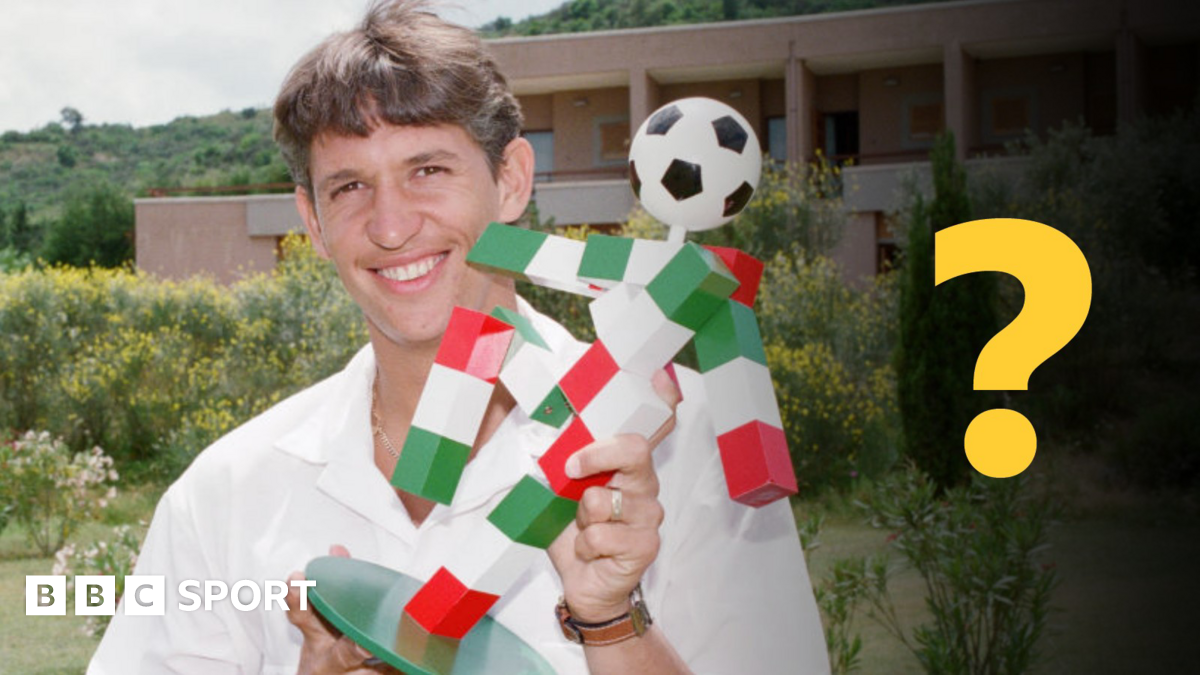
The 2026 World Cup does not officially kick off for another seven days, yet the media battle lines are already drawn. While players are currently undergoing final fitness assessments, the real noise is coming from the commentary box and podcast studios. Piers Morgan has decided that the global tournament is the perfect stage to reignite his long-running feud with Gary Lineker.
Morgan recently launched a direct challenge to Lineker by starting his own World Cup-focused podcast. The move is a blatant attempt to undercut the market share currently held by Lineker’s high-profile Netflix deal. It is bold, petty, and frankly, a distraction from the tournament that matters.
Analyzing the media tactics
Lineker has effectively used his platform to secure mainstream dominance in the streaming space. Morgan’s counter-offensive relies on the exact opposite logic: provocation. Instead of offering technical analysis of tactical setups or squad depth, the focus has shifted to who can trigger the base more effectively on social platforms.
The fundamental issue here is the quality of discourse. Fans tuning into coverage for actual insight regarding the 48-team format will find themselves wading through these celebrity personality contests instead. This is a net negative for the viewer experience. We are here to watch nations compete for the trophy, not to monitor who can post the better dunk against a rival pundit.
Strategic gaps in the strategy
Morgan’s pivot to sports-focused podcasting feels reactive rather than structural. By basing his platform on mocking a competitor's deal, he anchors his content to his rival's movements rather than establishing a unique value proposition. If the podcast relies purely on viral antagonism, it will likely wither by the second matchday.
Lineker’s Netflix partnership signals a shift toward premium, long-form storytelling that appeals to a massive global audience. Morgan’s approach feels stuck in the Twitter-era shouting match, which historically struggles to maintain retention over a grueling month-long schedule. When the ball rolls on June 11, the audience will gravitate toward whoever delivers the better analysis, regardless of the Twitter feuds.
The prediction for the media window
I am calling this early: Morgan will struggle to maintain interest past the group stages. His obsession with Lineker’s portfolio is a clear indicator that he lacks a coherent plan for actual football coverage. Lineker remains the incumbent, and by June 25, the novelty of these jabs will have worn thin.
Expect high-production value from the official broadcasters while these side-podcasts cannibalize their own relevance. The winner, ultimately, is the fan who realizes they can simply mute the accounts of both men and enjoy the games. This entire media spat is a side show that loses steam the moment the whistle blows for the opening match.