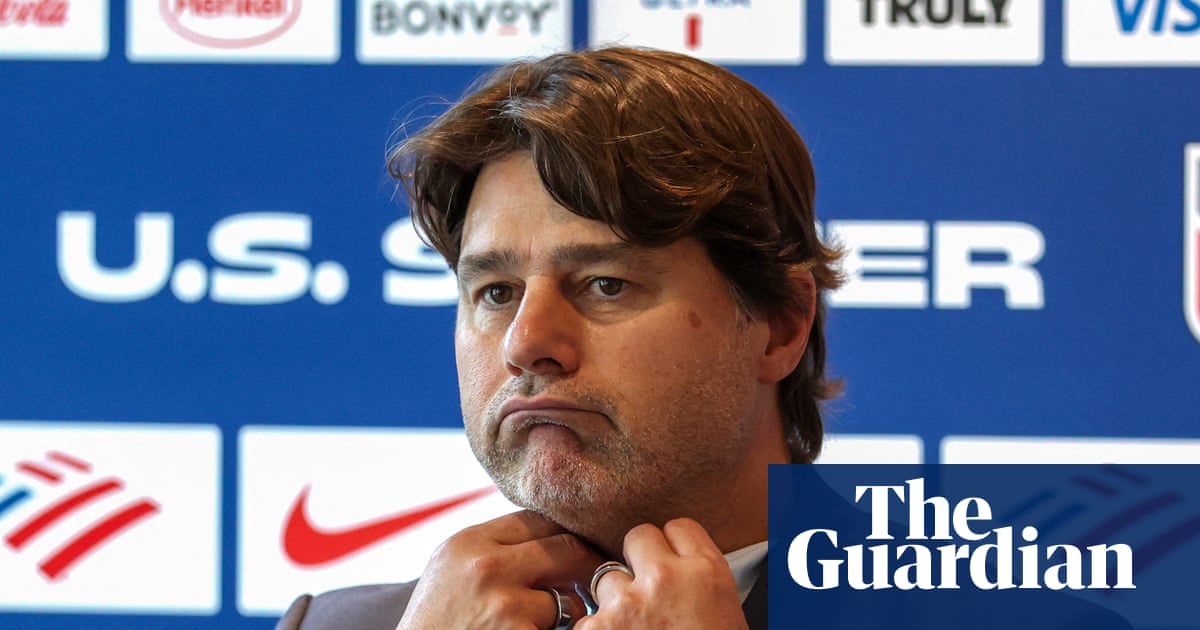
The cold reality of 2026 selection
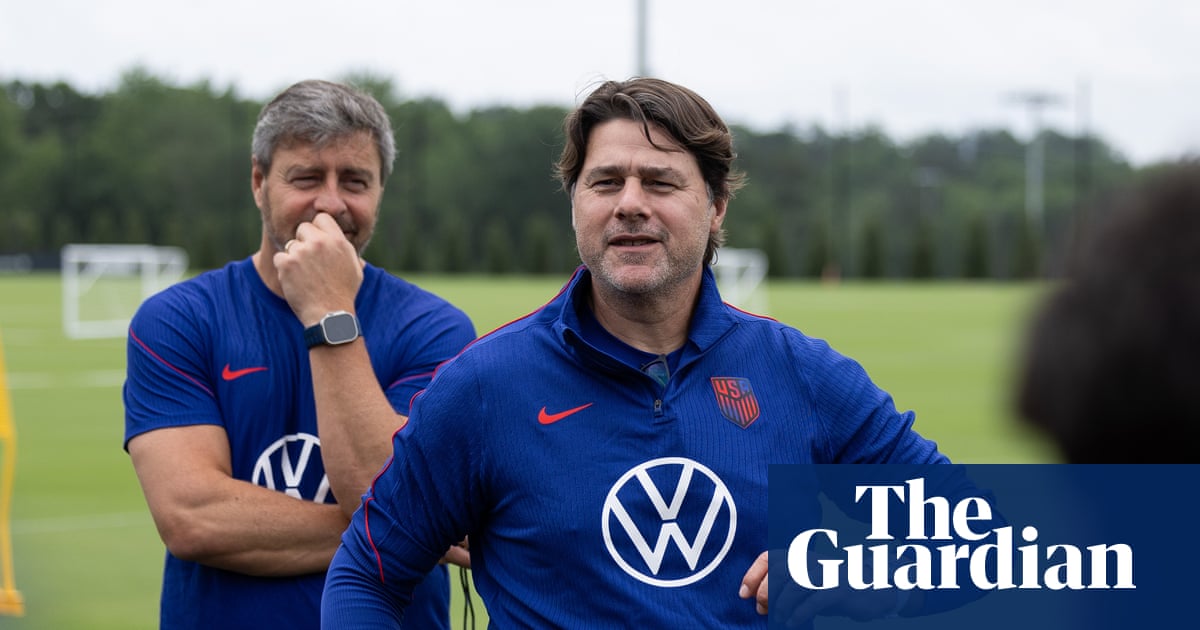
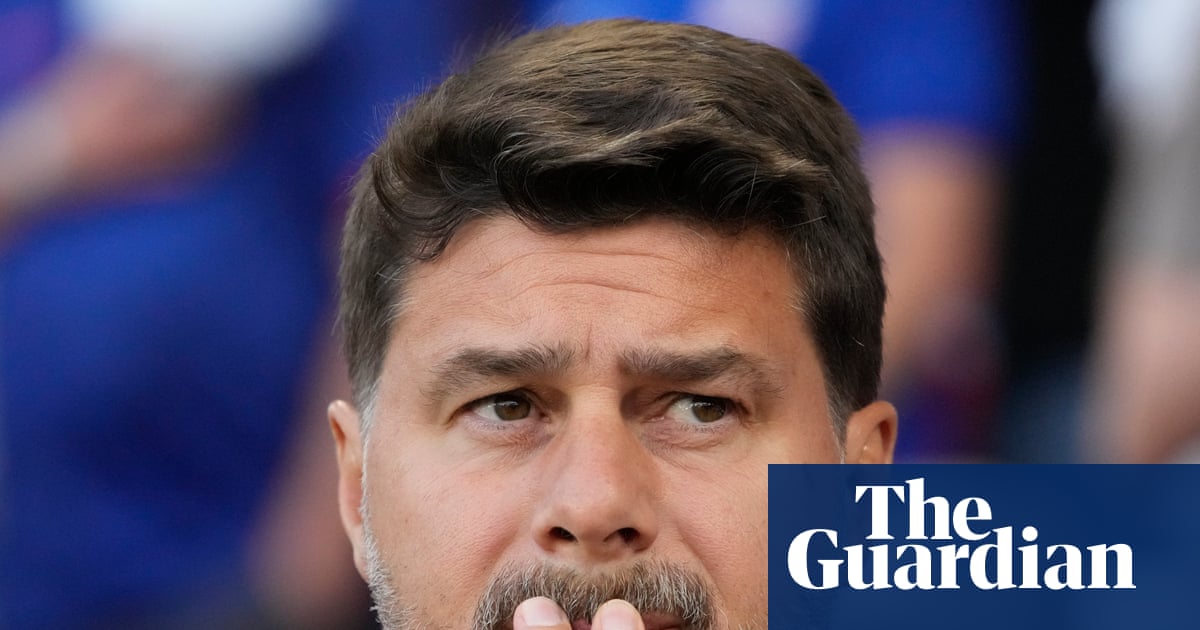
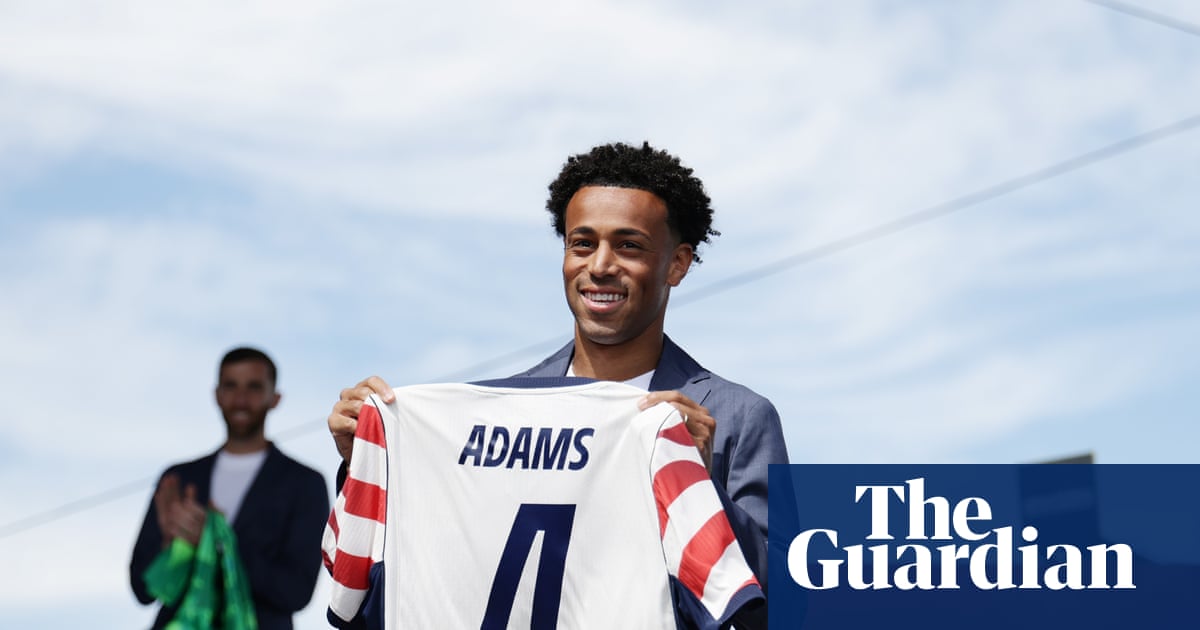
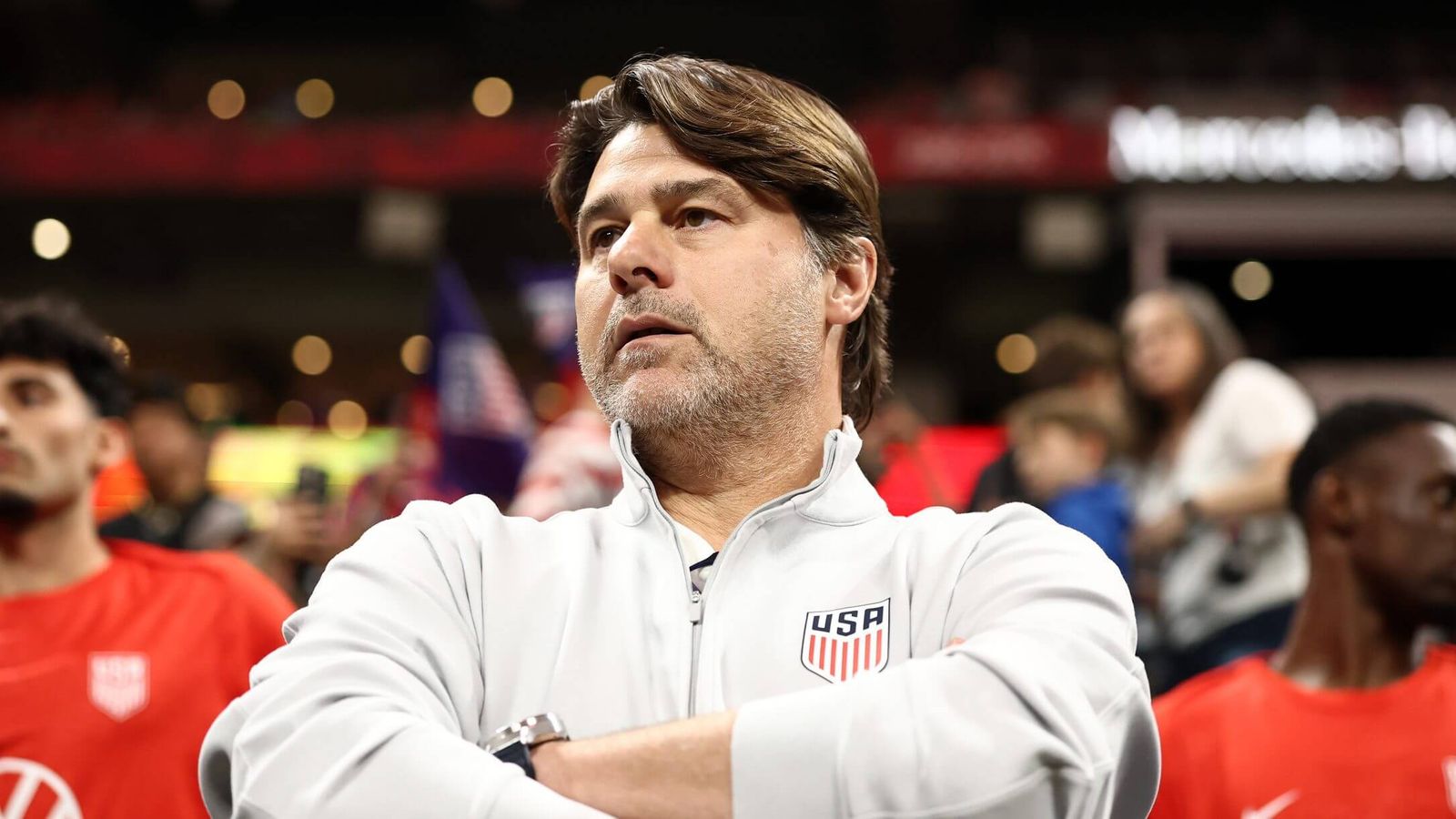
Mauricio Pochettino confirmed on Tuesday that he finalized the USMNT World Cup roster via email notifications, bypassing direct face-to-face meetings with players left off the 26-man list. The decision, revealed in a New York City briefing, has drawn sharp skepticism from veteran figures and former national team squad members who argue direct communication is a basic professional requirement.
Pochettino dismissed the need for extended conversations, suggesting that direct interaction serves little purpose when the decision is final. This tactical coldness reflects a broader shift toward managerial distance, yet it risks alienating the core squad culture just 16 days before the opening match on June 11. Managing the psychological state of a national team requires more than clear inbox management.
Historical precedent and the professional standard
National team selections historically prioritize open dialogue to mitigate the devastation of a World Cup snub. Players omitted from international duty often experience significant emotional and physical impacts, requiring clear feedback to pivot toward recovery or club preparation. Pochettino's methodology sits in stark contrast to traditional coaching expectations regarding squad cohesion.
Former players have raised concerns about how this approach affects the remaining group's morale. If players believe their standing with the technical staff is restricted to digital status updates, the barrier for honest feedback in future training camps increases. This friction is particularly unhelpful as recent reporting by The Guardian underlines the intense scrutiny on Pochettino’s management style, much like the controversial England selection that has already invited massive criticism.
The medical and tactical disconnect
While the focus is currently on the administrative approach, the omission of specific injured personnel remains a grey area. Pochettino’s refusal to engage directly complicates the pathway for players returning from lingering minor knocks who are technically fit but discarded. Proper physical rehabilitation requires close coaching ties, not just a notification sent to an agent or email address.
The risk of this strategy is immediate. Should a first-team player suffer a setback during the group stage, the depth chart—which was essentially curated through a screen—may lack the required chemistry to integrate replacement options. A squad is not a spreadsheet, and the human element of coaching often dictates performance under the pressure of a home tournament.
Strategic implications for the World Cup
The USMNT enters the tournament with external tension matching the high expectations of the home crowd. If early tournament results deviate from the expected path, the media focus will inevitably shift toward the manager’s interpersonal detachment. High-pressure tournaments require a unified front, and a fracture regarding player trust is a difficult hole to climb out of once matches begin.
Competitors like Brazil and France have long utilized high-touch communication protocols to manage squad expectations during summer tournaments. By choosing a lower-contact approach, Pochettino runs the risk of a disjointed dressing room. The timing remains a critical vulnerability for the USMNT, especially with only two weeks left to build necessary synergy.
The organizational ripple effect
US Soccer leadership has not yet addressed the blowback from the player pool. When managers operate with such unilateral decision-making, the burden falls on technical directors to bridge the gap. If the trend of digital-only communication sticks, expect future recruitment of dual-nationals to become more complex.
Elite athletes value transparent, respectful pathways for selection. When a player receives a life-changing snub via a digital notification, it leaves a lasting impression that transcends individual seasons. Pochettino’s logic is clear: efficiency above sentimentality. However, international football reward management that builds emotional buy-in. We are currently sitting at 16 days until the opening kickoff, and the sentiment in the US camp is arguably more fractured than it should be.
Every manager has a right to build their squad as they see fit. Yet, when historical standards for player respect are abandoned for speed, the margin for error on the pitch shrinks. If the USMNT fails to progress past the group stage, the entire selection process will be scrutinized for exactly this lack of human management. The pressure is on, and the excuses are running thin.
Read Next
- Pochettino's USMNT squad faces a statistical reality check
- Pochettino's USMNT gamble is already splitting the internet
- Thomas Tuchel's World Cup squad choices are inviting disaster
- Achraf Hakimi risks World Cup status with injury inclusion
- 🏆 World Cup 2026 — Full Coverage Hub
- 🇺🇸 USMNT World Cup 2026 — Team USA Coverage Hub
- ⚽ MLS 2026 Season Hub — World Cup Year Guide