The ticking clock and the blunt truth
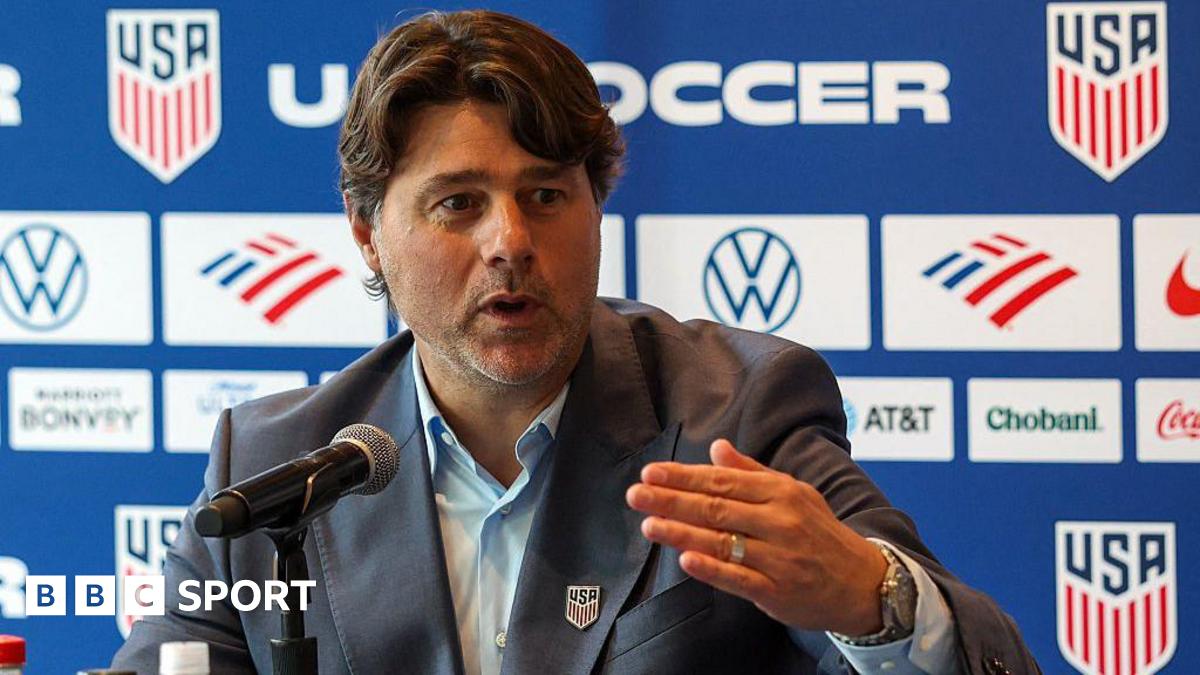
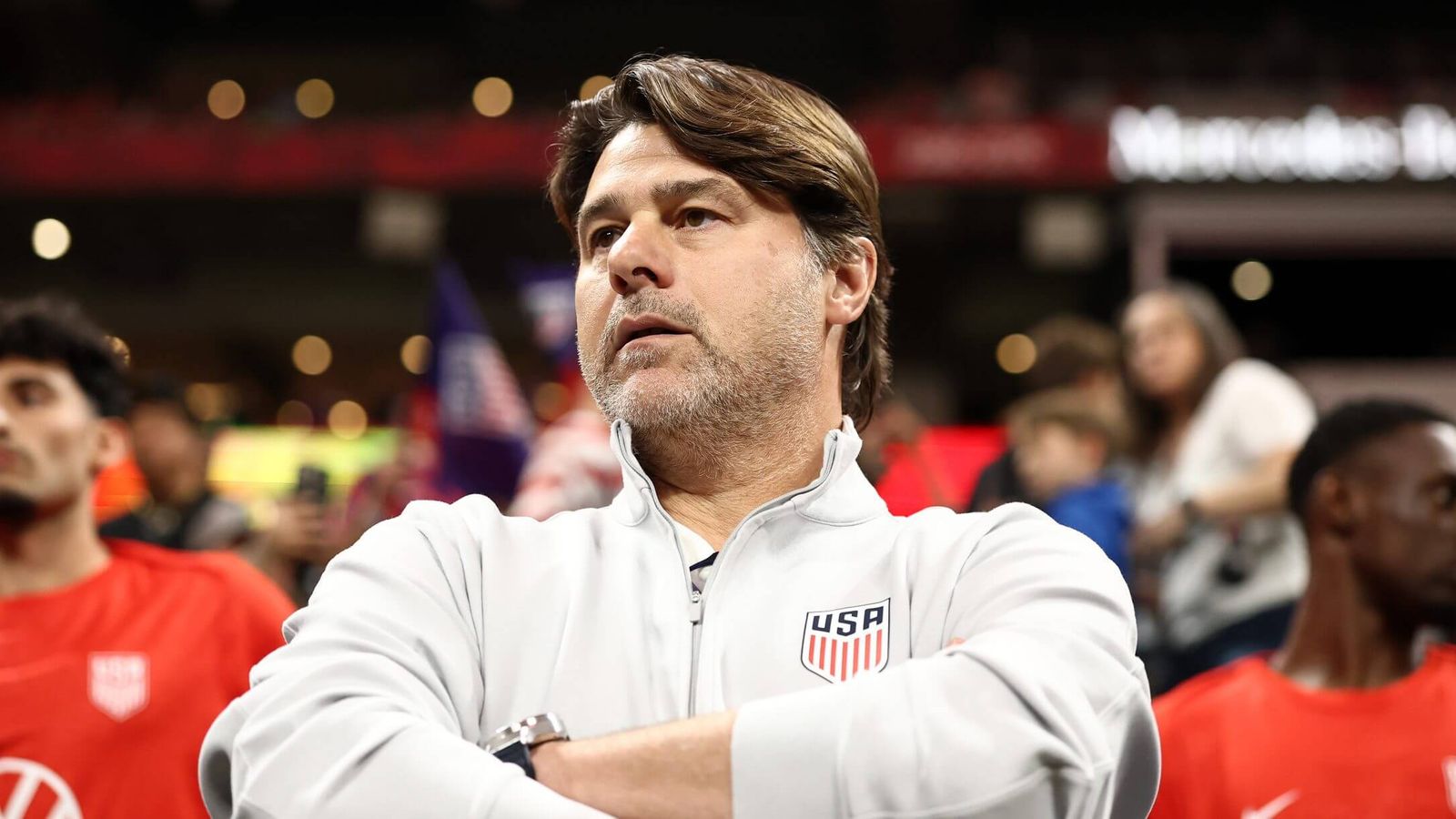
We are exactly 42 days away from the United States men's national team kicking off their home World Cup. The pressure is already suffocating, the marketing campaigns are deafening, and the expectations are completely detached from reality. Yet, instead of offering the usual hollow corporate optimism that typically spews from the federation, Mauricio Pochettino has chosen to detonate a truth bomb right in the middle of the build-up.
Speaking on a podcast released this week, the Argentine manager diagnosed the fundamental flaw in American soccer. He didn't complain about the talent pool, the travel miles, or the lack of elite European minutes for his fringe players. He pointed straight at the cultural void. He pointed at the fans, the development system, and the players themselves.
According to The Guardian, Pochettino stated bluntly that the nation lacks an "emotional relationship" with the sport. He correctly identified that basketball and American football hold an absolute monopoly on the country's sporting soul. Soccer, for all its suburban popularity, does not dictate the emotional rhythm of the nation the way it does in Buenos Aires or London.
It is a stark, almost jarring assessment for a manager to make mere weeks before a major international tournament. But it is entirely necessary. The USMNT has spent the last cycle hiding behind the excuse of youth and potential. Now, they are being told by their manager that their environment doesn't demand that they care enough.
He wants more publicly accessible playing spots. He wants street football. He wants the grit and the desperation that creates genuine tactical intelligence. Without it, you get what the US has often been: athletically gifted, relentlessly fit, but wildly naive under severe pressing pressure.
Escaping the Stamford Bridge circus
To understand why Pochettino is taking this abrasive, uncompromising approach with the US national team, you have to look at what he just survived. His tenure at Chelsea was a masterclass in managing chaos, a situation he clearly has no intention of repeating on the international stage.
When pressed by Gary Neville recently about his time at Chelsea, Pochettino's reaction was telling. As reported by The Mirror, he simply stopped Neville in his tracks when asked if the BlueCo ownership actually had a recognizable 'plan'.
The silence and the deflection spoke volumes. Pochettino spent a gruelling year trying to implement his high-octane pressing system with a squad bloated by vanity signings and spreadsheet-driven recruitment. You cannot trigger a coordinated counter-press when half your midfield was purchased based on algorithmic potential rather than actual tactical fit.
When you look at his final months in West London, the tactical regression was obvious. Players were making isolated runs, the midfield double pivot was frequently overrun, and the defensive line dropped ten yards deeper than Pochettino ever wanted. He was managing an investment portfolio rather than a football team.
The US job, despite its cultural hurdles, offers him a chance to be a pure coach again. He gets to drill defensive shapes without an ownership group questioning his methods via text message during halftime. He is setting the terms of engagement early and publicly. If this team fails this summer, it will not be because of a meddling sporting director. It will be because the players could not execute his demands.
The Harry Kane blueprint
Pochettino knows exactly how to build a winning mentality from scratch. He did it in North London. Before he turned Tottenham Hotspur into a relentless pressing machine that reached a Champions League final, he had to break them down to their studs.
He recently opened up about his early days at Spurs, specifically focusing on a young Harry Kane. In a candid admission covered by The Mirror, Pochettino spoke extensively about having to stamp out Kane's "bad habits" before he could become a world-class striker.
What were those habits?
- Dropping too deep unnecessarily to hunt for the ball.
- Failing to initiate the first line of the press with enough aggression.
- Conserving energy instead of emptying the tank in the opening twenty minutes.
Pochettino did not just give Kane extra shooting drills. He completely rewired his understanding of space, defensive responsibility, and work rate. It wasn't just Kane, either. Look at what he did with Dele Alli, turning a raw League One prospect into a shadow-striker who terrorized the Premier League through sheer timing and physical dominance.
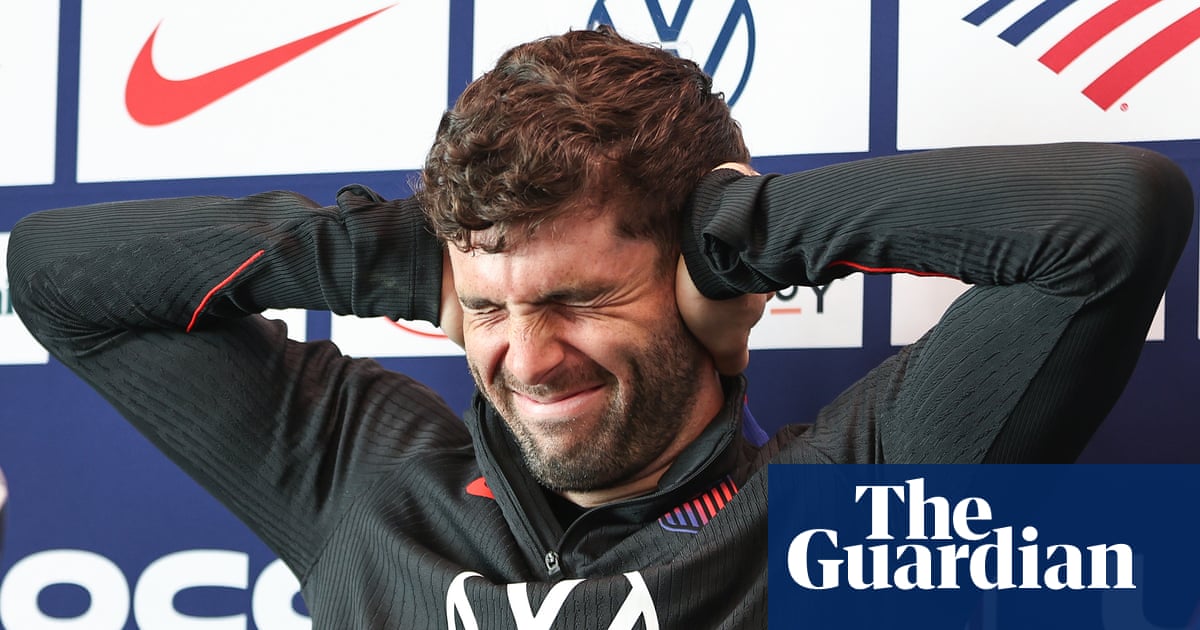
This is precisely what he is trying to do with Christian Pulisic, Gio Reyna, and Weston McKennie right now. The USMNT midfield often looks completely disjointed in transition. They fall back into a passive mid-block far too easily when the initial press is bypassed. They lack the venom required to sustain pressure high up the pitch.
The US roster is packed with physical specimens who lack technical polish. Timothy Weah's straight-line speed is devastating, but his decision-making in the final third remains erratic. Pochettino's job is to simplify Weah's role: run hard, press high, and arrive at the back post. No complex playmaking required.
Tactical realities 42 days out
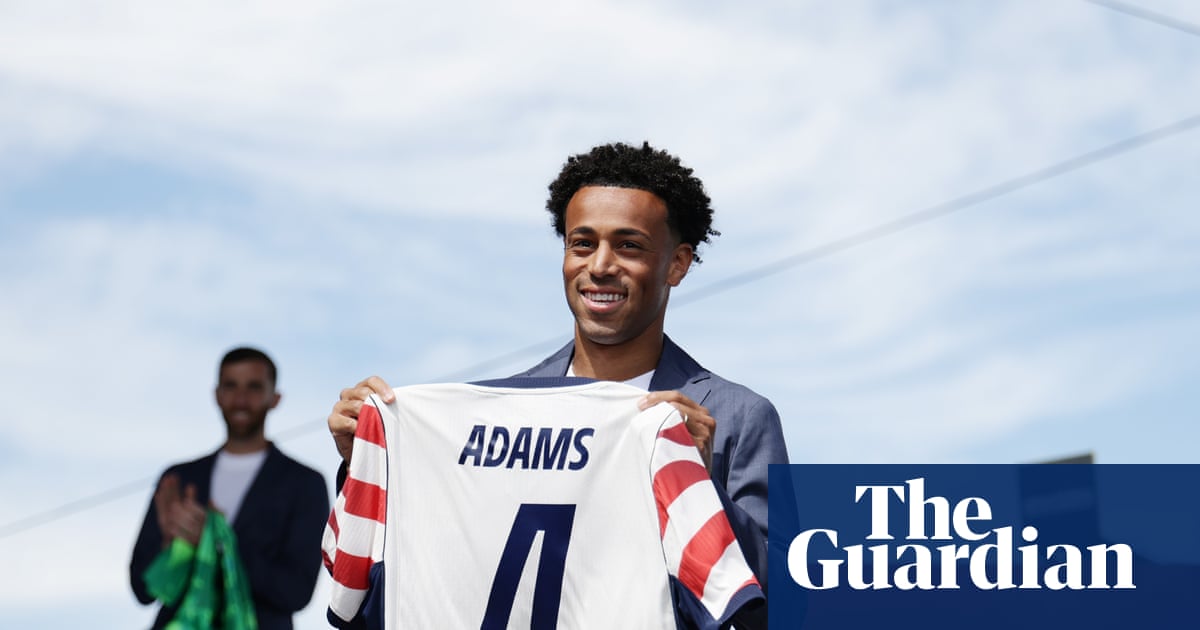
Let us look at the shape. Pochettino will almost certainly deploy a 4-2-3-1 or an aggressive 4-3-3, but the success of the entire system hinges entirely on the engine room. Tyler Adams, assuming he can stay fit, will be tasked with sweeping up the massive expanses of green grass left behind the attacking fullbacks.
We know Pochettino loves aggressive fullbacks. Think back to Kyle Walker and Danny Rose in their prime under him. Antonee Robinson has the engine to replicate that role on the left, but the right side remains a glaring tactical question mark. Sergino Dest offers brilliant ball progression but often abandons his defensive post, leaving the center-backs horribly exposed.
The main problem is the ball progression from deep. When pressed aggressively by elite European or South American opposition, the US center-backs tend to panic. They lack the disguised passing ability of a Thiago Silva or a Toby Alderweireld, players Pochettino relied heavily upon to break the opponent's first line of defense.
The midfield balance is the ultimate puzzle. You cannot play McKennie, Adams, and Reyna together without sacrificing either defensive solidity or attacking width. If Adams sits deep, McKennie operates as an aggressive box-to-box destroyer, leaving Reyna isolated out wide or forced to drop deep to collect the ball. When Reyna drops deep, the US loses their most creative final-third player. It is a domino effect of tactical compromises.
The critical flaw in the American system
Here is the uncomfortable truth that no one in the US Soccer federation wants to admit out loud. You cannot manufacture a golden generation through expensive pay-to-play academies in the suburbs. You certainly cannot manufacture a hardened tactical identity in a handful of fleeting international windows.
Pochettino's pointed comments about the lack of public pitches are not just a casual sociological observation. It is a direct critique of why his players struggle with tight-space improvisation. When you learn the game in highly structured drills rather than chaotic, unregulated street games, you freeze when the tactical plan breaks down.
Against a team like France or Spain, the tactical plan will always break down eventually. Those elite teams will overload the half-spaces. They will drag the US fullbacks out of position. They will force turnovers in bad areas. When that happens, players need pure instinct to survive. The USMNT, right now, lacks that killer instinct.
They are too robotic. They execute Phase A well enough, but when forced into Phase B under intense pressure, they capitulate. Pochettino is desperately trying to inject some South American street smarts into a thoroughly suburban squad, and he is running out of time to do it.
The Premier League shadow
Hanging over all of this World Cup preparation is Pochettino's own future. He openly admitted he would love to manage in the Premier League again one day. He made it clear he still loves Tottenham.
This World Cup is not just a legacy mission for the US players. It is a massive shop window for Pochettino himself. If he manages to drag this flawed team to a respectable finish, his stock rises back to elite levels. He proves he can overachieve with limited resources. If they crash out in the group stage, the narrative will shift quickly to his inability to win without a massive transfer budget.
"All is possible in football," Pochettino noted this week.
He is defending their tournament prospects publicly, but that phrase sounds more like a shield than a sword. He knows the tactical limitations of this roster better than anyone.
Prediction
The build-up feels fraught. The manager is publicly questioning the nation's soccer culture. The star players are carrying the weight of a home tournament on shoulders that have historically crumbled in high-stakes knockout moments.
Pochettino will make them hard to beat. They will press intelligently in the group stage. They will likely secure enough points to advance, riding the sheer wave of home-crowd adrenaline. But adrenaline only gets you so far against serious, battle-hardened tactical opposition.
Expect a Round of 16 exit. They will run into a European heavyweight that can bypass their frantic press with one precise vertical pass, exposing the lack of recovery pace in the central defense. The USMNT will play bravely, but bravery is not a substitute for technical superiority in the tight spaces. Pochettino knows this. That is exactly why he is sounding the alarm now.