A standoff in the Nations League
The Nations League is typically a laboratory for tactical experimentation. Managers use the autumn months to stress-test formations and integrate fringe talent before the real business of qualifying cycles resumes. For the Republic of Ireland, the upcoming fixtures against Israel are rapidly descending into a narrative that has little to do with high pressing or xG metrics.
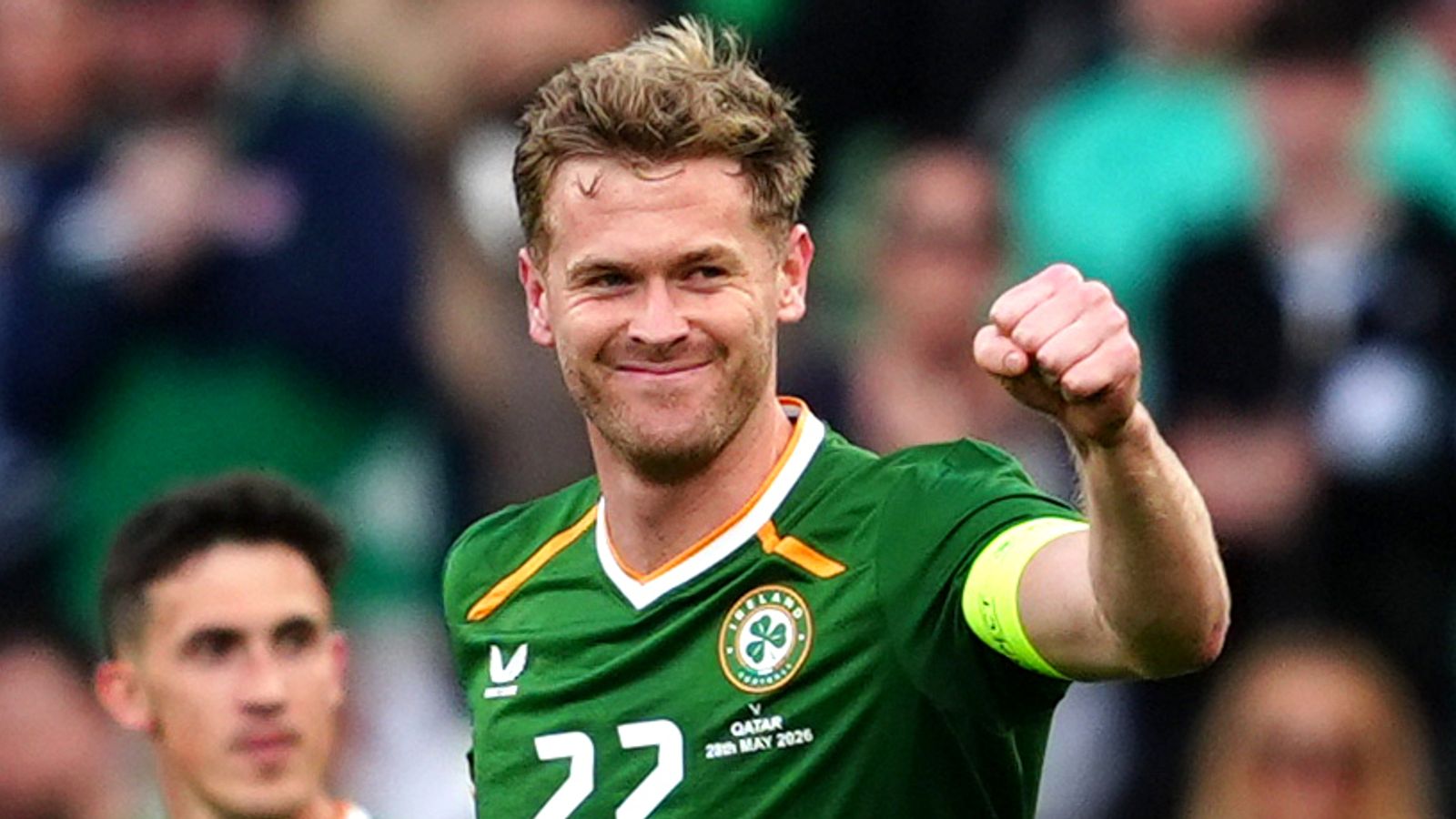
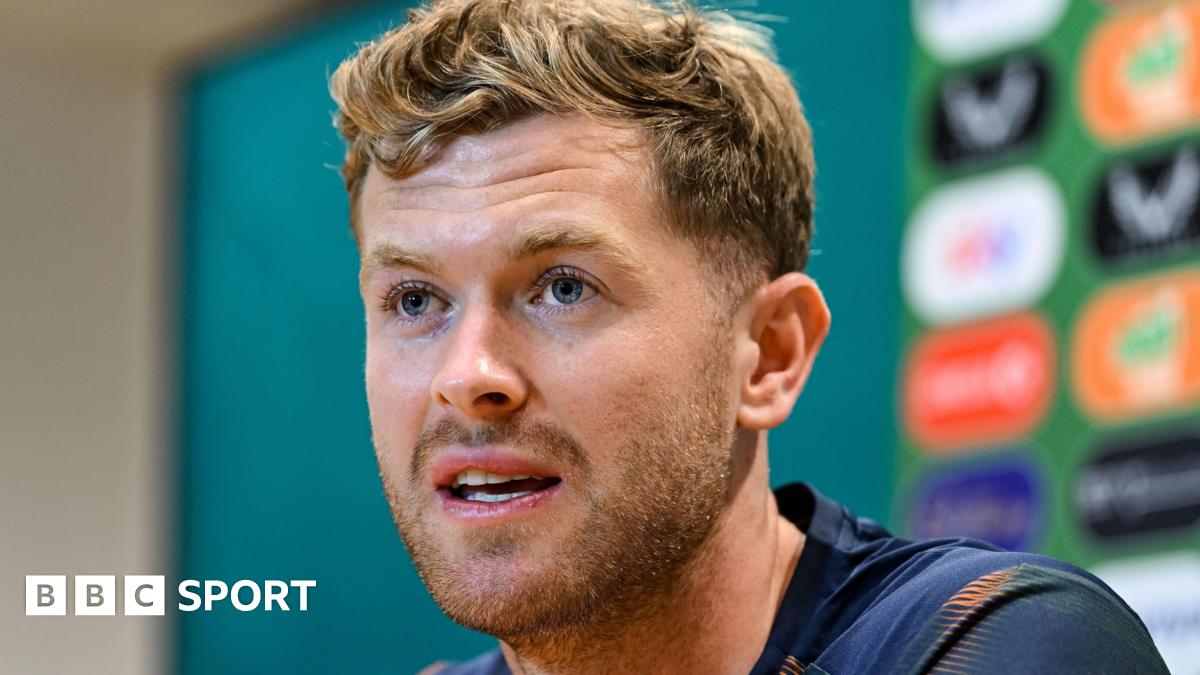
Republic of Ireland captain Nathan Collins recently addressed the elephant in the dressing room regarding these matches. He signaled that individual players reserve the right to express their political convictions, stating that no one within the squad will be restrained should they choose to take a public stand. This creates a precarious set of externalities for the management staff to navigate.
The cost of external friction
History suggests that shielding a squad from political fallout is nearly impossible when the noise becomes deafening. Dressing rooms thrive on focus, and the distraction potential for these specific fixtures is 100 percent. When players are forced to reconcile their professional obligations with their personal conscience, the tactical preparation usually suffers.
As recent reports by the BBC have highlighted, the internal discussions within the camp are already active. Coaches rely on the mental availability of their starting XI; if key personnel are spending their downtime drafting statements rather than analyzing defensive transition drills, the team loses its edge. This is not a slight on the players' morals, but a cold assessment of the requirements for peak physical performance.
Tactical implications of the looming fixtures
Beyond the discourse, the footballing challenges remain daunting. The Irish defensive unit under Collins has shown structural instability when forced to defend wide spaces against technically proficient midfields. Against an Israeli side that relies on rapid vertical progression, the back three will be exposed if the pivot player fails to drop in time to form a flat back five.
The failure to track runners from deep midfield has been a recurring flaw in the campaign. In recent outings, the opposition has exploited the gap between the center-backs on 62 percent of goal-scoring opportunities. If the team remains preoccupied with the administrative and social stressors surrounding these opponents, those minor defensive lapses will solidify into catastrophic leaks.
Preparation requires total cognitive bandwidth. Whether the Ireland squad enters the stadium as a cohesive unit or a group of individuals carrying the weight of a geopolitical standoff will be the deciding factor in these matches. A professional setup should be creating space for players to breathe, yet the nature of these specific fixture dates suggests the focus will remain shattered.
The verdict
My prediction for the current situation is grim. I expect the media circus surrounding these matches to result in a 2-1 defeat for Ireland, as the tactical discipline required to manage a high-intensity press will break down under the weight of external pressures. A distracted defense is an inefficient defense, and until the squad finds a collective mental posture, they will continue to bleed points against teams that are far more settled in their pre-match routine.
Read Next
- Is Lawrence Shankland the clinical edge Rangers desperately needed?
- Alisson stays at Anfield as Liverpool pivot to Premier League bargain bin
- Arsenal and Manchester United set for high-stakes summer midfield tug-of-war
- World Cup 2026: Tuchel's squad controversy and global pre-tournament chaos
- 🏆 UEFA Nations League Final Four 2026 Hub — June 4-8, Lisbon