The changing of the guard in the Portuguese midfield
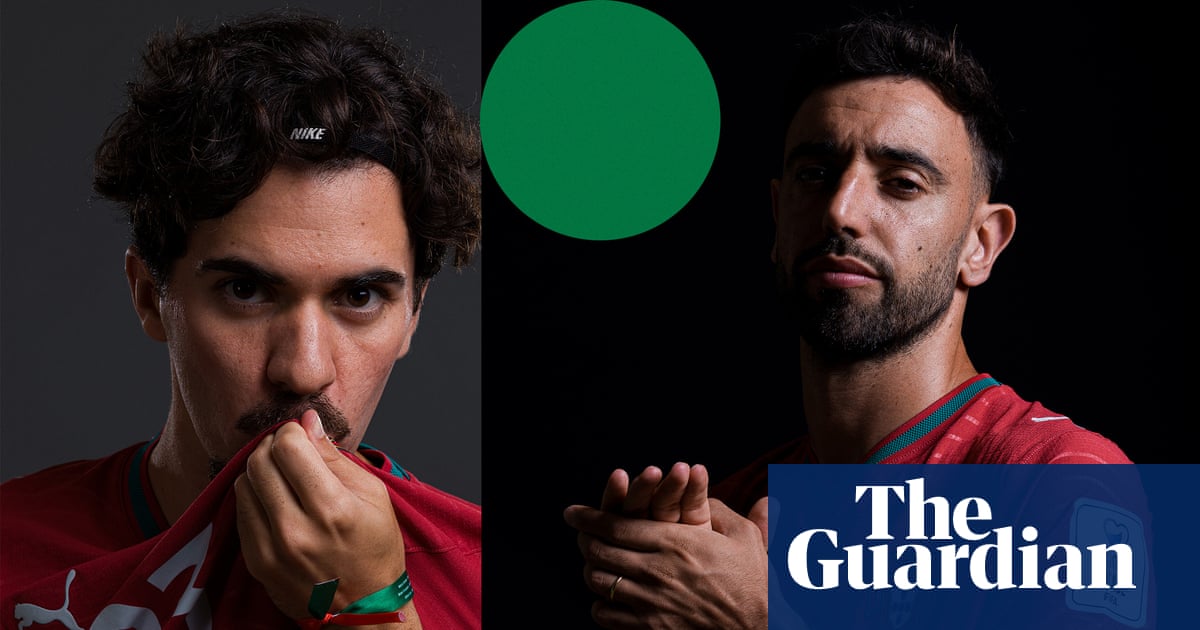
Cristiano Ronaldo remains the inevitable gravity center for every Portugal discussion. At 41 years old and making his sixth World Cup appearance, he commands the headlines. However, the tactical reality of this 2026 squad suggests the focus is misplaced. The team's path to a maiden title runs directly through the technical refinement of Vitinha and the vertical distribution of Bruno Fernandes.
As The Guardian reported today, the reliance on Ronaldo is becoming a historical relic rather than a functional game plan. Portugal has never appeared in a World Cup final, with their 1966 run serving as the previous high-water mark for the nation. To surpass that, the manager must shift the engine from the veteran striker to a more mobile central trio.
The statistical case for a tactical pivot
Data from Opta underscores this transition perfectly. Vitinha offers a level of press resistance that previous iterations of this midfield lacked entirely. He occupies pockets of space that allow Fernandes to operate between the lines rather than dropping deep to salvage possession. This distribution of labor is what turns a talented group of individuals into a cohesive tournament threat.
Fernandes has matured into the primary creative outlet, consistently leading the squad in expected assists during the qualification cycle. When he is denied space, however, the squad suffers from a predictable stagnation. If the opponent successfully traps him, the team often defaults to long, aimless service toward the box—a strategy that has yielded diminishing returns for years.
A team reliant on individual brilliance over structure
The skepticism regarding this squad is well-founded. Despite the high technical ceiling of names like Joao Neves and Rafael Leao, the team often lacks the defensive discipline to close out knockout matches. Letting in soft goals against lower-ranked competition during the build-up phase has become a recurring nightmare.
Portugal enters this campaign with a 65 percent win rate under current tactical configurations, but that number dips significantly against top-ten ranked opposition. The reliance on individual moments of magic rather than a rigid defensive block is a risky gamble. If their high press is bypassed by elite transition teams, their central duo will be left covering excessive space behind them.
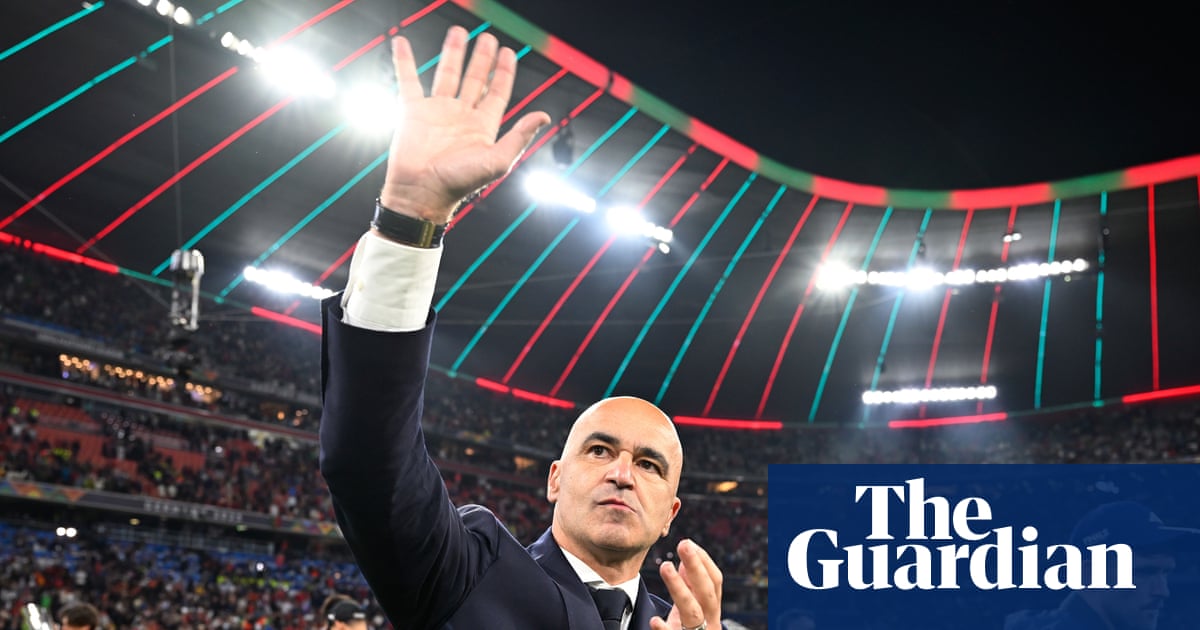
The pressure on Roberto Martinez to implement a more balanced formation is mounting. Forcing the team to play through the center instead of relying on the wings is a necessary evolution. If the manager continues to cater to the historical reputation of his veteran captain, this tournament will likely mirror the disappointment of recent cycles rather than a historic breakthrough.
Defining the path to glory
Expect the formation to fluctuate between a 4-3-3 and a 4-2-3-1 depending entirely on the opposition's midfield depth. Vitinha serves as the crucial connector, while Fernandes remains the architect of the final third. Winning a major trophy requires more than just high-end talent; it demands the mental fortitude to stick to a system when the stadium is screaming for a change.
Whether or not they can overcome the mental hurdle of never reaching a final is the primary storyline. History suggests they will struggle under the weight of expectation. Success will require the younger generation to take the reins completely from the veterans who have defined the last two decades. Anything less than a semi-final appearance would be viewed as a massive underachievement given the talent pool currently available in Lisbon and beyond.
Ultimately, the window for a title is closing faster than the public discourse realizes. With the squad age profiles shifting, the next four weeks represent the true test of this iteration of the Seleção. If they cannot dominate through midfield superiority, their 0 World Cup trophies will remain the defining statistic for another four years.
Read Next
- Europe is sleepwalking through the group stages and the heat isn't the only excuse
- Argentina needs to stop treating Lionel Messi like a retirement home resident
- Tino Livramento's World Cup status in peril after training ground setback
- Why Elias Just should be on every Premier League club's radar
- 🏆 World Cup 2026 — Full Coverage Hub
- 🇵🇹 Portugal World Cup 2026 — A Seleção Hub