The Thursday Night Gauntlet
We are deep into April, and the Europa League has successfully filtered out the pretenders. The coefficient padders and the Champions League dropouts who couldn't be bothered are finally gone. What we have left is a fascinating tactical mess. Forget the sterile, heavily choreographed chess matches you see on Tuesdays and Wednesdays. Thursday nights are strictly for the sickos.
This tournament remains the absolute best chaotic watch in European football. We are staring down the barrel of a semi-final setup that features some of the most tactically stubborn managers in the sport. You have Unai Emery doing his usual dark magic. You have AC Milan relying entirely on individual brilliance to bail out glaring structural flaws. You have Bayer Leverkusen continuing to run their high-wire act.
And then you have Manchester United. A team that seemingly actively hates playing in the midfield. Predicting the eventual winner requires looking past the massive brand names. It requires figuring out who can actually survive the grueling Thursday-Sunday schedule without their squad snapping an ACL or downing tools. The eventual final is going to be decided by whoever manages transition defense the least terribly.
The Unai Emery Boss Fight
You simply cannot have a serious conversation about the Europa League without addressing the elephant in the technical area. Unai Emery owns this competition. He essentially holds the deed to the trophy. Aston Villa's progression to this stage hasn't always been pretty, but it has been ruthlessly efficient. They don't blow teams away. They just slowly suffocate you in a mid-block until you make a miserable mistake playing out from the back.
Villa's entire tactical setup hinges on Ollie Watkins making relentless, unglamorous runs into the channels. It is not flashy. It does not get clipped up for social media compilation videos. But it drags center-backs out of position and creates massive pockets of space for John McGinn and Leon Bailey to exploit. Their quarter-final performance was an absolute masterclass in suffering without the ball.
But Villa are far from invincible. Their defensive line is aggressively, almost laughably high at times. When the offside trap fails, it fails spectacularly. Opposing wingers with genuine raw pace can utterly destroy their defensive structure if the midfield press is bypassed. The key to beating Villa isn't to out-pass them. It's to launch early, diagonal balls over the top before Pau Torres can get his feet set.
Manchester United’s Midfield Void
Watching United navigate European knockout ties is an exercise in elevated heart rates. They do not control football matches. They just survive them in bursts of chaotic counter-attacking energy. Erik ten Hag's side routinely bypasses the middle third of the pitch entirely. It is a basketball team wearing football boots. They treat possession like a hot potato, perfectly willing to surrender the ball for eighty minutes just to get three transition opportunities.
Everything good that happens for United runs through Alejandro Garnacho and Marcus Rashford isolating full-backs. When they get the ball in space, they are absolutely terrifying. But the structural setup behind them is a genuine disaster waiting to happen. The gap between their forward line pressing and their defensive line dropping creates a massive chasm in the middle of the park.
Opposing central midfielders must feel like they are playing on an empty training pitch. It is honestly a minor miracle they have made it this far without being exposed by a team that can retain possession. If United reach the final, they will rely entirely on transitional moments. If the match settles into a rhythm, they will get picked apart. Their reliance on individual heroics rather than a cohesive system is exactly why they are so exhausting to watch.
AC Milan’s Left-Sided Dependency
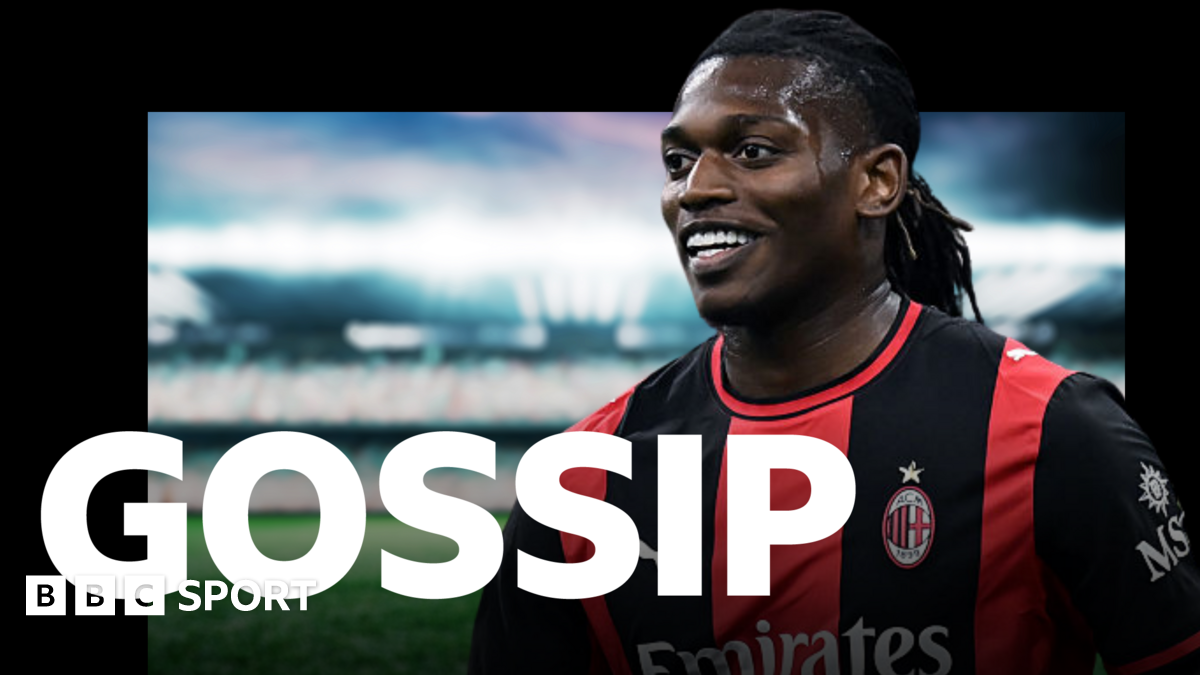
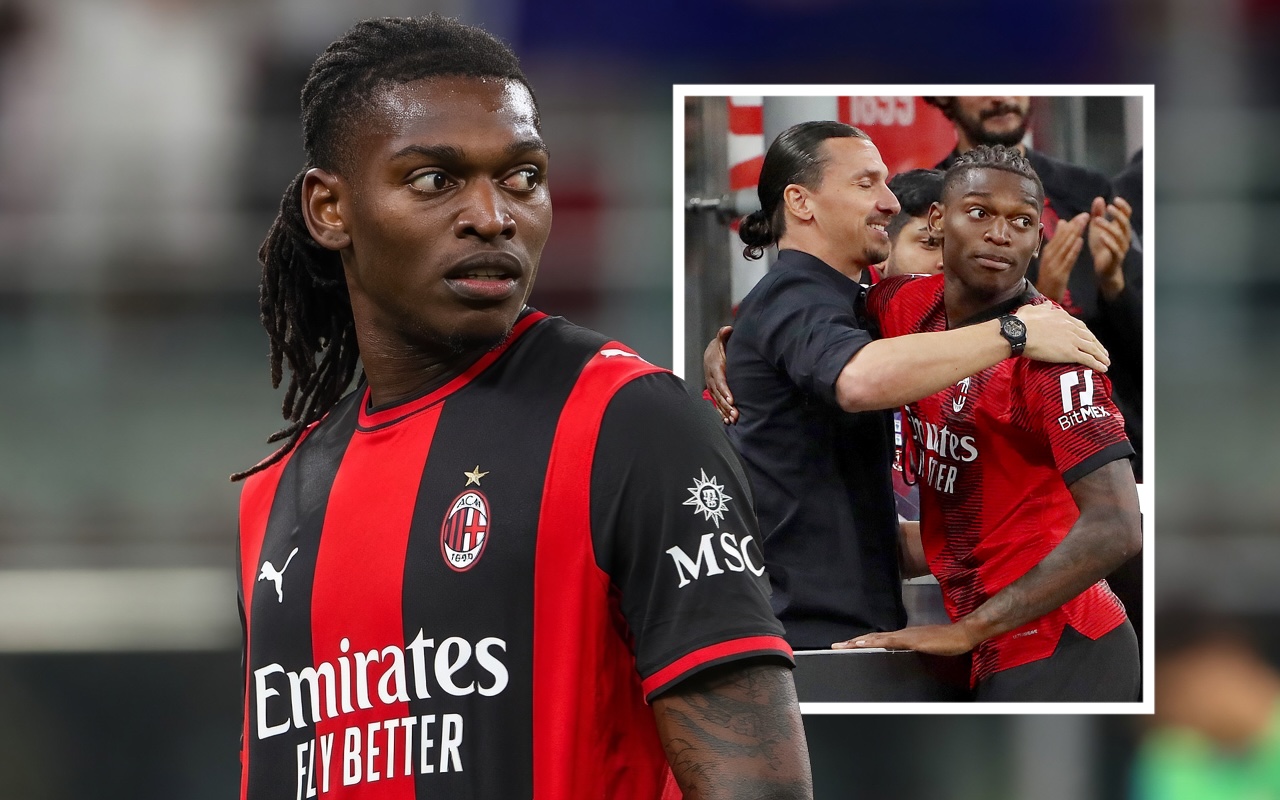
AC Milan offers a completely different flavor of tactical imbalance. Almost every dangerous sequence Stefano Pioli's side creates originates from the left flank. Theo Hernandez and Rafael Leao have formed a partnership that is essentially unplayable when they are in sync. They don't just beat defenders. They absolutely embarrass them.
The underlapping runs from Hernandez create impossible decisions for opposition right-backs. But this dependency is also their biggest flaw. If you can successfully shut down that left side, Milan often look completely devoid of ideas. Their right flank simply does not offer the same threat level. Opponents have started deploying asymmetrical defensive shapes, dropping an extra holding midfielder specifically to double-team Leao.
When Leao is neutralized, Milan resorts to aimless crosses into the box. They just pray Olivier Giroud, or whoever happens to be standing in the penalty area, can win a header against two towering center-backs. Milan's progression has masked a really concerning lack of central creativity. They don't have a traditional playmaker who can pick a lock against a low block. You don't beat Milan by going toe-to-toe with them in a track meet. You beat them by parking a heavy bus on the right side of your defense and daring them to beat you down the other flank.
Bayer Leverkusen’s Relentless Machine
If there is one team that actually plays cohesive, modern football left in this tournament, it is Bayer Leverkusen. Xabi Alonso has built a system that is beautiful to watch and completely horrific to play against. Their shape creates numerical superiorities all over the pitch. They overload the center, drag the opposition defense inside to protect the penalty spot, and then release their flying wing-backs into acres of uncontested space.
Florian Wirtz is the absolute standout. He drifts between the lines, picking up the ball on the half-turn, and constantly asking questions of the opposition's defensive midfielders. He never stays static. But what makes Leverkusen truly dangerous is their counter-pressing. The second they lose the ball, they hunt in packs. They want to win it back in the final third while your defense is desperately trying to reorganize.
However, even the machine has a loose gear. Leverkusen's commitment to throwing bodies forward leaves their wide center-backs incredibly isolated during quick transitions. If you can break their initial counter-press, there is usually a massive expanse of green grass behind their wing-backs. A team with quick, direct wingers can cause them serious problems. They are built to dominate the ball, but they look surprisingly fragile when forced to defend facing their own goal.
The Key Battle Zones for the Final
When we project the potential matchups for the final, several tactical battlegrounds become glaringly obvious. The first is the war for the half-spaces. Teams like Leverkusen and Villa thrive on getting their creative players into those little pockets between the center-backs and full-backs. Whoever reaches the final will need a defensive midfielder capable of dropping into the backline without entirely surrendering midfield dominance.
The second battleground is set-piece execution. We have seen far too many European finals decided by a sloppy corner or a poorly defended free-kick whipped into the near post. Manchester United's zonal marking system on corners has been a recurring nightmare all season, constantly exposing their goalkeeper to unimpeded runners. If they find themselves in the final against a team like Villa, who engineer incredibly clever block plays on set-pieces, it could be a complete bloodbath. The margins in these high-stakes games are simply too tight to give away free headers inside the six-yard box.
Finally, there is the issue of game management. The modern final is rarely a tidy ninety-minute affair. With the new stoppage time directives and the inevitable tactical fouling, we are realistically looking at over a hundred minutes of football. Squad depth and the timing of substitutions will be absolutely paramount. Managers who stubbornly refuse to use their bench until the 80th minute are going to get punished. Fresh legs running at a tired defense in extra time is a guaranteed path to victory.
The Expert Verdict
So, who actually lifts the heavy silver vase in May? You have to respect the tactical superiority of Leverkusen. You have to fear the raw individual brilliance of Milan. You have to acknowledge the dark magic of Unai Emery. And you have to accept the terrifying reality that Manchester United could accidentally win the whole thing despite playing terrible football for six straight matches.
But knockout tournaments are entirely about timing and momentum. Leverkusen's domestic priorities might force them to rotate heavily in Europe. Milan's predictability will eventually catch up with them. Manchester United's massive midfield gap is simply too large to survive a competent passing team. That leaves Aston Villa. They have the manager with the unmatched pedigree and the tactical pragmatism required for knockout football.
Villa has consistently shown they can suffer without the ball and ruthlessly punish teams on the break. In a one-off final, that ability to absorb pressure without panicking is invaluable. They don't need to dominate possession stats. They just need one single mistake from a high line or one perfectly executed set-piece routine. Expect a gritty, low-scoring affair decided by a single tactical adjustment. Aston Villa will hoist the trophy, and Unai Emery will remind everyone exactly why he is the undisputed king of Thursday nights.
Read Next
- On This Day in Football: April 19
- The Premier League Final Day is going to be an absolute bloodbath
- Fans are completely losing it over Rosenior's Champions League admission
- Michael Carrick has quietly turned United into a top-four machine
- ⚽ Bundesliga 2025-26 — Title Race Hub
- 🏆 Europa League Final 2026 — Full Coverage Hub