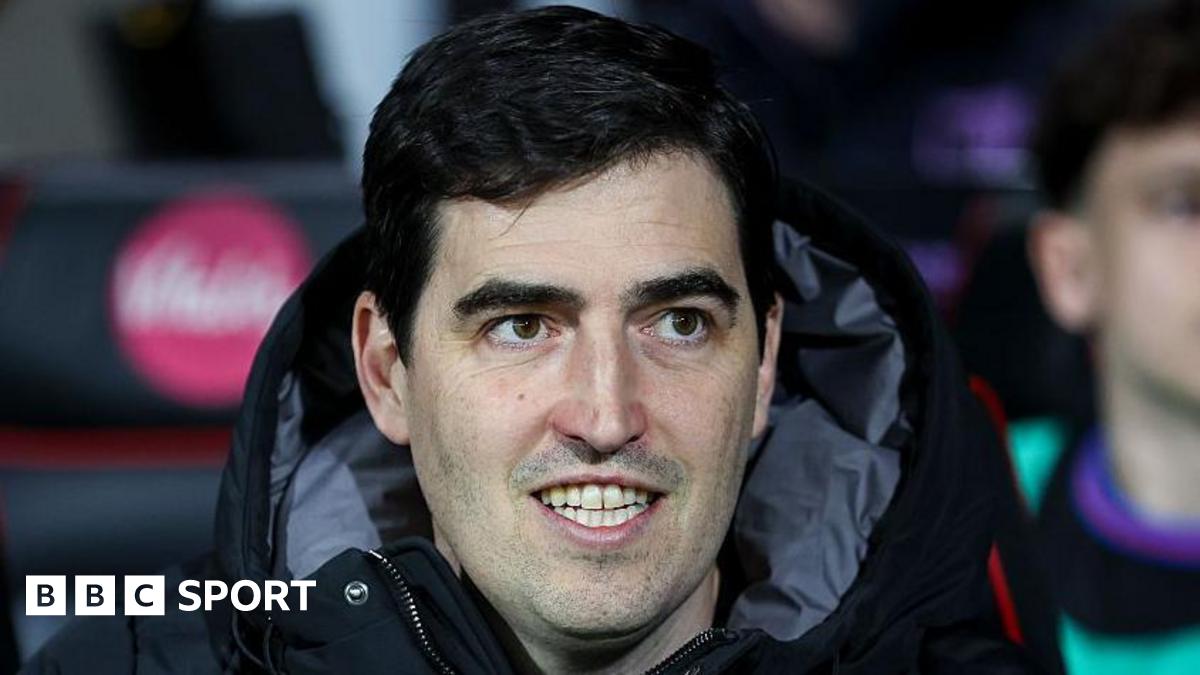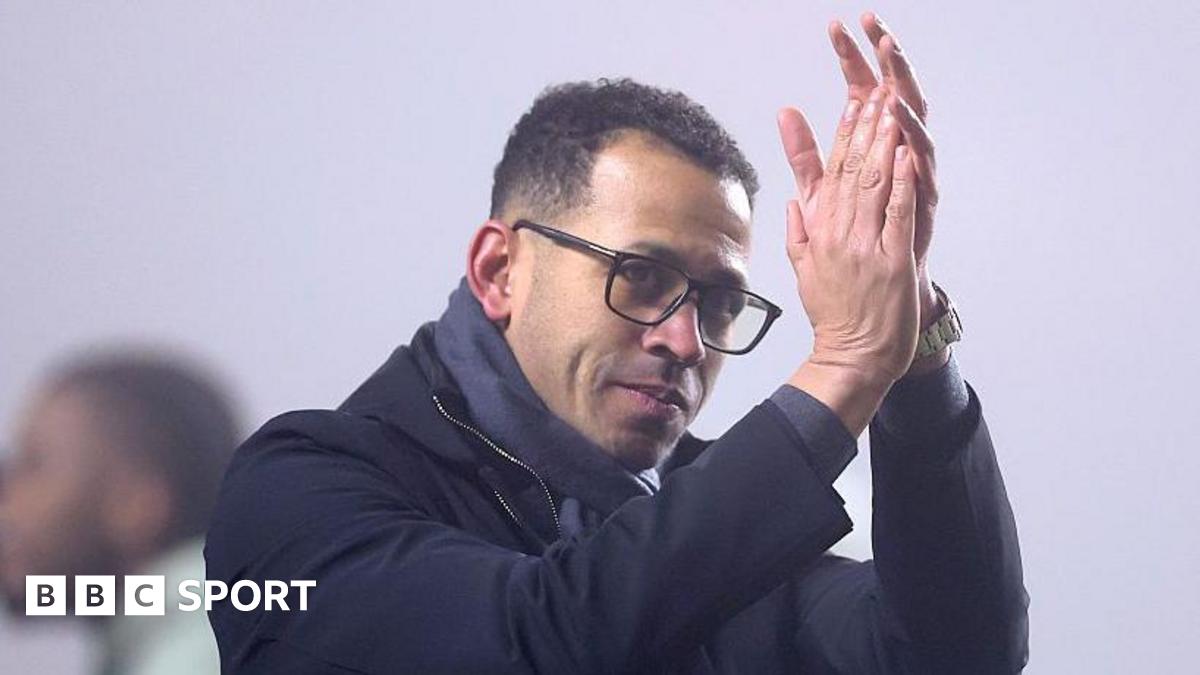
The coaching carousel is heating up
The Premier League management merry-go-round is spinning faster than at any point in the last decade. As we approach the final weeks of the season, multiple top-tier clubs are actively scouting replacements for their current dugout leads, signaling a massive shift in tactics for the 2026-27 campaign.
Sami Mokbel recently highlighted in his breakdown for BBC Sport that the market for tacticians is currently as volatile as the player transfer window. Sporting directors are no longer waiting for seasons to conclude to hold preliminary talks.
Tactical fits and the demand for identity
The primary driver here is a desperate search for tactical identity. Clubs that drifted into mid-table mediocrity are looking for high-pressing, data-driven architects who can overhaul stagnant squads. Scouts aren't just watching players anymore; they are analyzing underlying metrics of coaches across Europe.
However, the skepticism remains. Many clubs have fallen into the trap of hiring for reputation rather than fit, leading to disjointed recruitment. A coach who thrives in a lower-tier tactical setup often struggles when forced into the high-pressure environment of a title-contending dressing room.
The financial impact of these changes is staggering. Severance packages have reached record highs, with some clubs committing over $20 million in compensation costs to clear the decks. This limits their operational budget for the actual player market, making the managerial hire the single most important financial decision of the summer.
The hunt for the next Guardiola
The market is currently flooded with short-term fixes and unproven projects. Elite clubs are narrowing their focus to coaches who have successfully implemented a high-intensity, vertical style of football. The problem is that the supply side cannot meet this demand.
Many mid-table teams are attempting to pivot toward youthful, progressive managers. This is a gamble. While it offers a lower base salary, the implementation phase often leads to a drop in defensive efficiency. Watching these teams attempt to transition against seasoned opponents will likely be the subplot of the early August fixtures.
Probability and outlook
We see a high probability that several clubs will announce new managers before the World Cup window opens in mid-June. Any deal not completed by the week of May 28 will likely face significant logistical delays due to international commitments.
My assessment: 75% of likely vacancies will be filled by the end of May. The remaining clubs will face a frantic scramble in June or risk entering the preseason with interim leadership. This is a poor strategy for the modern top-flight.
The expected impact of early movement
If boards move decisively in the next two weeks, the impact could be profound. A manager installed before the FIFA window allows for pre-planning of targets. This ensures that the squad is built to the tactician's preference rather than relying on scouting leftovers.
Critically, the success of these moves hinges on internal alignment. If a director of football and a manager have conflicting visions, the $20 million investment becomes a sunk cost by November. The teams that maintain internal cohesion during this transition are the ones that will see the most significant table improvement.
Looking ahead, the pressure on these appointments is immense. With the World Cup kicking off on June 11, the period between the Champions League Final and the tournament is the only window for serious change. Anything later leaves the manager trying to install a complex tactical philosophy effectively during a four-week preseason.
This summer requires a surgical approach to the dugout. Boards that treat it as a rushed panic-buy will repeat the mistakes of the previous campaign, further widening the gap between the dominant elite and the rest of the league. Efficiency in the hiring process will be just as important as the actual results on the pitch next year.