The revolving door at the top of English football
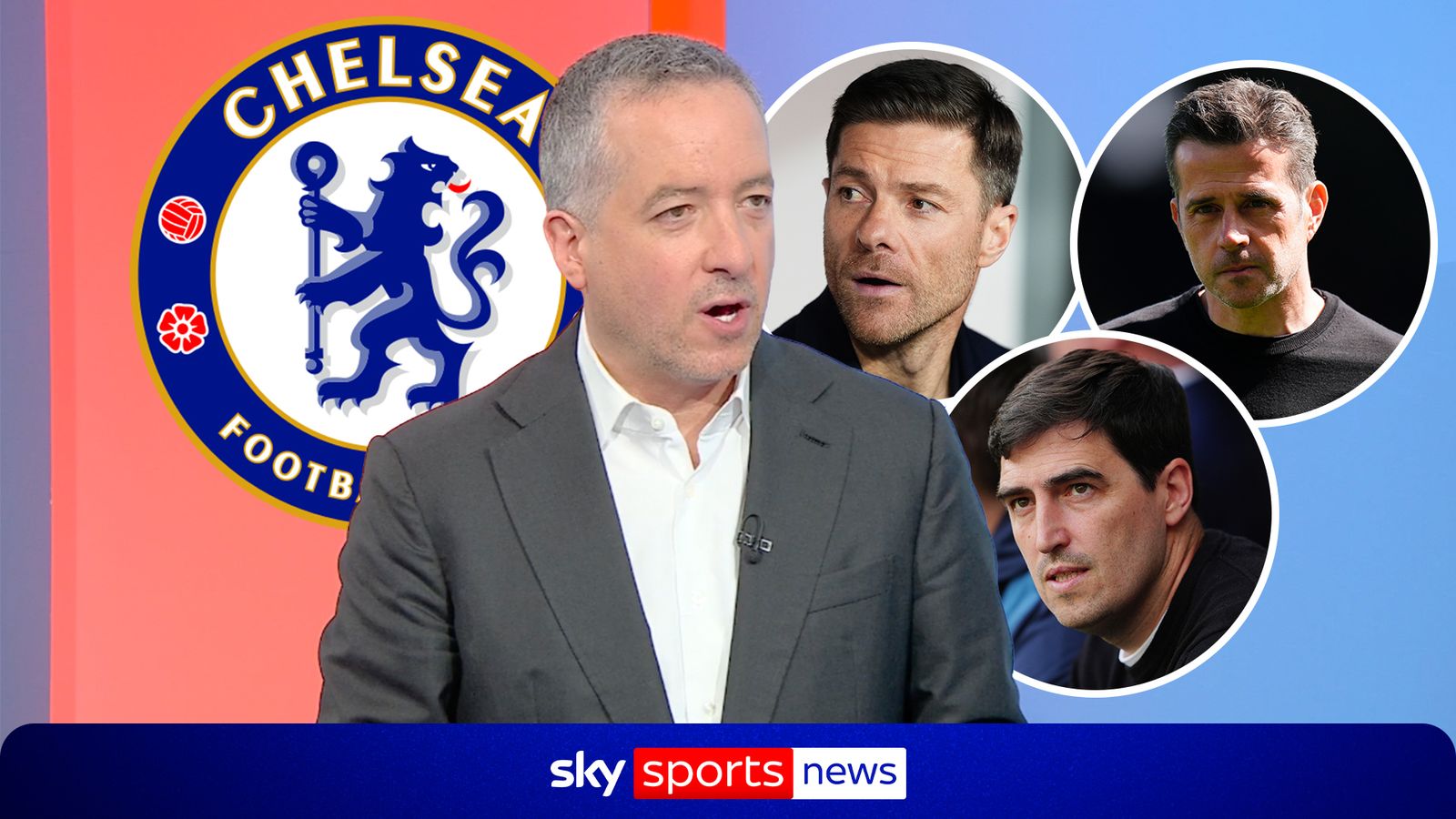
The English season is barely cold in the ground, yet the talk around the pubs and press boxes has shifted entirely to the technical areas. Sky Sports reports that at least five clubs are preparing for a complete change in leadership before the next campaign kicks off. This is not mere gossip; it is a structural reaction to a league that has become increasingly unforgiving of stagnation.
When we look at the margins between mid-table safety and European contention, the tactical identity of a manager is often the only thing separating the two outcomes. Clubs are no longer waiting for a catastrophic collapse to pull the trigger. They are looking for specific stylistic upgrades, prioritizing coaches who can implement high-pressing systems with a clear transition model.
The cost of tactical drift
The primary issue driving these changes is a lack of evolution. We see teams relying on outdated mid-blocks that get picked apart by modern, inverted full-back systems. A manager who cannot adjust a defensive line to counteract progressive carries or rapid half-space penetration is essentially coaching with one hand tied behind their back.
The data suggests that the clubs currently in the market for a new boss are those who underperformed significantly against their underlying metrics. If a team consistently records an expected goals against (xGA) figure that dwarfs their budget allocation, the board sees the managerial seat as a point of failure rather than a misfortune. This clinical approach to HR is the new norm.
The danger of hiring for name recognition
There is a glaring risk in this impending reshuffle: the tendency to circle the same carousel of names. While experienced managers offer a degree of stability, they often replicate the exact tactical failures that got them fired from their previous post. A manager who favors a rigid 4-4-2 in a league that has universally shifted toward 3-2-5 in-possession builds is a liability.
We have to ask if these clubs are identifying the right stylistic profiles or merely reacting to fan pressure. The most successful recent hires have been those who brought a philosophy first and a reputation second. If a club approaches this summer by simply looking at the biggest available name rather than the best fit for their squad profile, they are setting themselves up for a repeat performance of their current mediocrity.
Predicting the impact on the standings
I predict that at least 9 points of variance will separate the bottom four clubs next season based solely on the quality of these upcoming managerial appointments. The gap between a manager who knows how to optimize a press and one who relies on individual brilliance is massive. The teams that secure their targets before the transfer window fully opens will have a direct advantage in shaping their rosters.
Expect widespread frustration for clubs that delay their decisions until the middle of July. By then, the tactical profile of the squads will already be set, and a new coach will be forced to fit a square peg into a round hole. This summer is not just about changing faces; it is about rewriting the tactical logic of half the league. Some will get it right and surge, while others will be back in the news for the wrong reasons by the end of August.