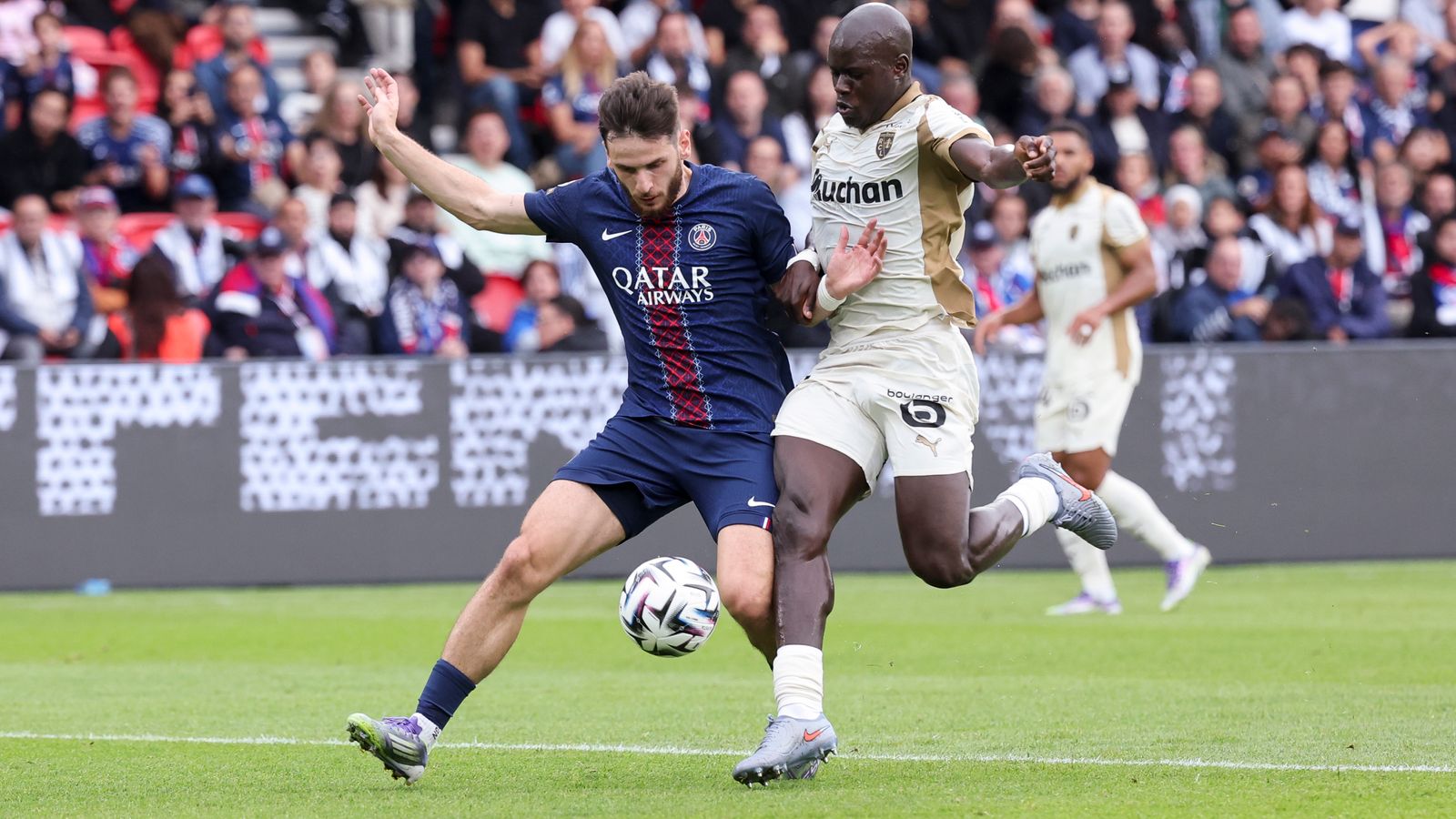
PSG are favorites for the Coupe de France but their depth chart is a ticking time bomb

The shadow of 2024 still looms over Paris
Winning the Coupe de France has become a baseline expectation rather than an achievement for Paris Saint-Germain. Since the restructuring of the squad following the post-Mbappe exodus, the club has traded individual brilliance for a more rigid, system-heavy approach. They enter the 2026 bracket as the prohibitive favorites, but the ghosts of their recent failures against lower-tier opposition in the round of 32 remain fresh.
You cannot watch this current iteration of PSG without noticing the tactical constraints placed on their creative midfielders. While the league table suggests dominance, the cup competitions expose the lack of a true game-breaker in the final third. They rely heavily on structured build-up play, which works against teams that sit deep, but it leaves them vulnerable to the counter-attack intensity that defines French cup upsets.
The squad depth is a mirage
The core issue facing the team heading into the final stages of the tournament isn't talent, but the physical attrition of a season that started in August. The coaching staff has rotated the squad extensively, yet the drop-off between the starters and the bench is stark. When you pull the starting defensive midfielders, the team loses its ability to recycle possession under pressure.
Looking at the 2-1 defeat to Lyon in the league last month, the structural collapse after the 70th minute was alarming. The substitutes failed to track back, leaving the center-backs exposed to high-speed transitions. If they face a side like Marseille or Monaco in the quarterfinals, this lack of bench quality will be the difference between a trophy and a humiliating exit.
The reliance on the wing-backs
PSG's entire offensive output is funneled through the wide areas. By pushing their wing-backs high, they create numerical advantages, but they also leave the center of the pitch wide open. This strategy worked perfectly during their run to the semifinals last season, as noted in recent tactical analysis in L'Equipe, but top-tier managers have now figured out the trigger points. If an opponent forces a turnover when one wing-back is caught out of position, the defensive transition is abysmal.
The club spent roughly 180 million euros on defensive reinforcements last summer, yet the organization remains porous. They are conceding an average of 1.2 goals per match against teams in the bottom half of Ligue 1. A team with championship aspirations should not be shipping goals to bottom-feeders this frequently.
The path to the Stade de France
The road to the final is never easy, especially with the way the bracket has been drawn this year. PSG will likely have to navigate past at least two top-six opponents before reaching the final. If they encounter a side that plays with the same intensity as the 2023 Toulouse team that dismantled them, the psychological pressure will mount rapidly.
As journalists at France Football have highlighted, the domestic cup is the only thing keeping the current project from feeling stagnant. A trophy won't save a manager from criticism, but losing to a second-division side would likely signal the end of the current regime. They are playing for their jobs, not just the hardware.
Ultimately, PSG will probably lift the trophy because their baseline quality is simply higher than their rivals. However, the victory will likely mask deep-seated issues with their recruitment strategy. They are winning despite their flaws, not because they have solved them. This isn't a team built for the future; it is a team built for the immediate result, and that approach rarely ends well in a knockout tournament where one bad afternoon ends the season.
Read Next
- Stade de France is ready for a reality check in the Coupe de France final
- PSG and Monaco turn the Coupe de France into a tactical slog
- PSG without Mbappé is finally a real team, and that's terrifying
- Monaco are done playing second fiddle to PSG
- 🇫🇷 France World Cup 2026 — Les Bleus Hub
- 🇫🇷 Coupe de France Final 2026 — Stade de France Hub
- ⚽ Ligue 1 2025-26 — PSG, Monaco & the Title Race Hub
- ⭐ UCL 2026 — Champions League Quarter-Finals Hub
Frequently Asked Questions
What tactical weakness makes PSG vulnerable to cup upsets?
Why is PSG squad depth considered a problem this season?
How do opponents exploit PSG reliance on wing-backs?
How much did PSG spend on defensive reinforcements last summer?
What obstacles does PSG face on the path to the Coupe de France final?
More Reviews & Picks

Stade de France is ready for a reality check in the Coupe de France final
2 months, 1 week ago
PSG and Monaco turn the Coupe de France into a tactical slog
2 months, 1 week ago
Deschamps is ignoring the Coupe de France at his own peril
2 months, 1 week ago
Monaco’s Coupe de France run is a masterclass in controlled chaos
2 months, 1 week ago
PSG lead the Ligue 1 pack but fatigue might be their undoing
1 month ago