The LFP's familiar gamble on Parisian rest
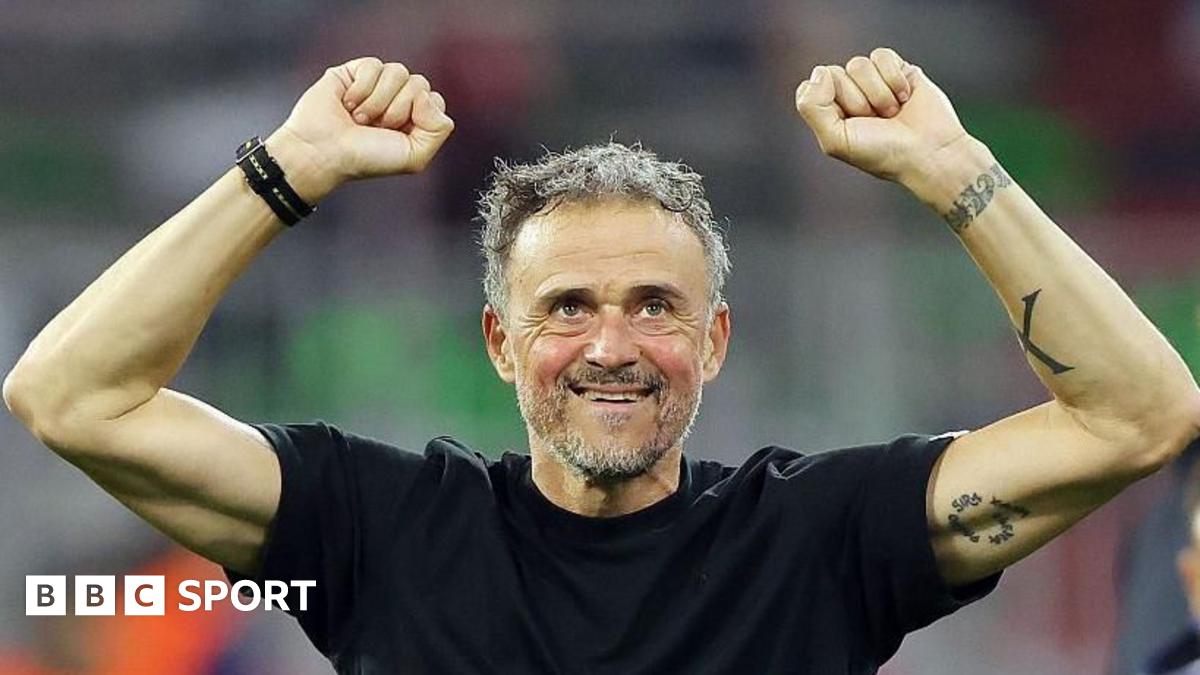
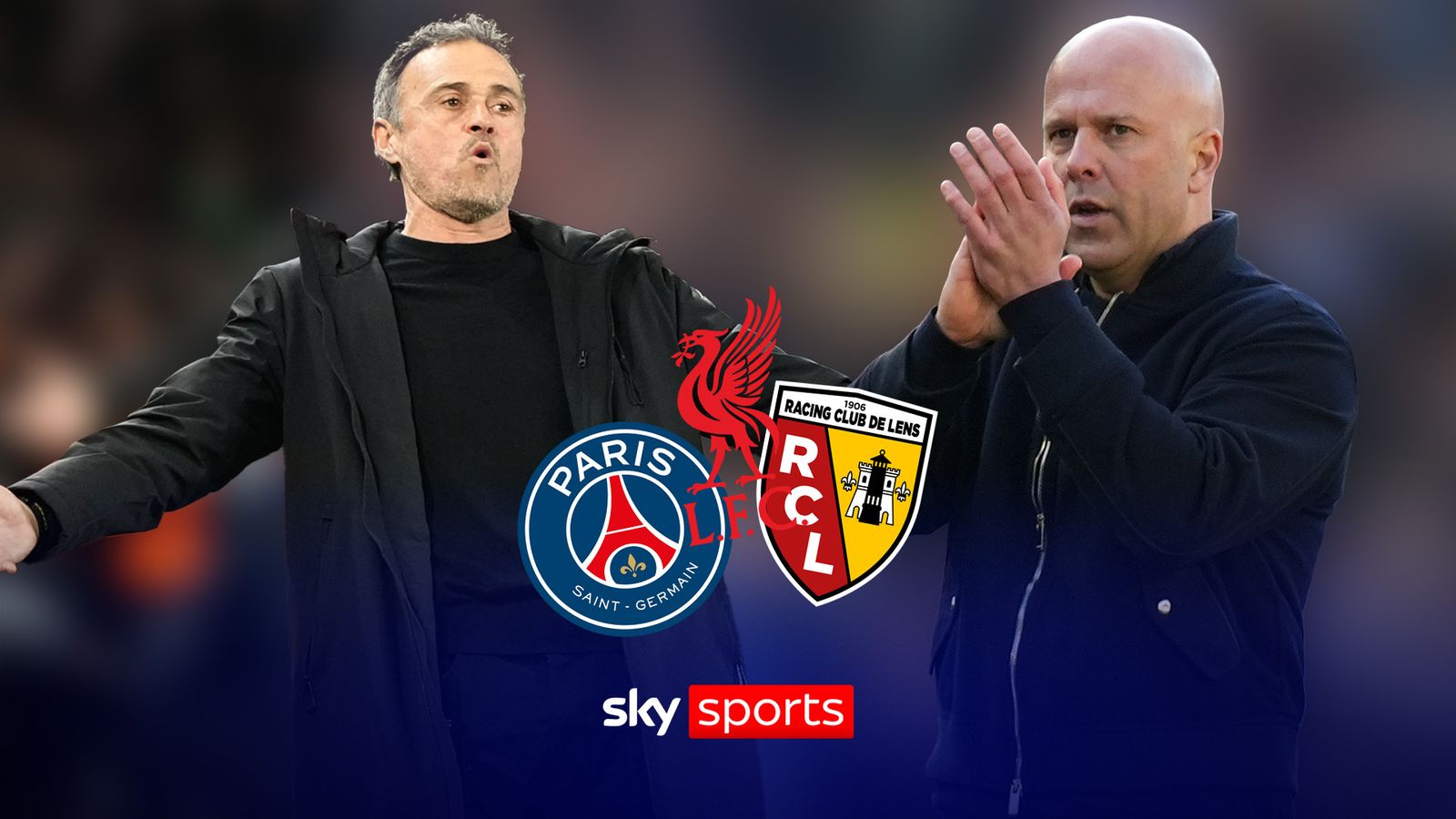
Paris Saint-Germain have once again convinced the Ligue 1 hierarchy to bend the knee. By postponing their scheduled fixture against RC Lens, as reported by Sky Sports, the LFP has granted Luis Enrique a clear ten-day window to prepare for the first leg of the Champions League quarter-final against Liverpool. It is a strategy we have seen before—most notably during their run against Barcelona and Dortmund in 2024—and it remains one of the most controversial advantages in European football.
On paper, the logic is sound. While Liverpool will likely be grinding through a high-stakes Premier League encounter just 72 hours before arriving at the Parc des Princes, PSG will be lounging at Campus PSG in Poissy. But there is a hidden cost to this artificial downtime. Football is played in rhythms, not in vacuum-sealed labs. When you remove the competitive edge of a weekend match, you risk turning a finely tuned engine into a cold one. PSG have a history of starting these high-stakes European ties with a strange, sluggish arrogance that takes twenty minutes to shake off.
Luis Enrique is a manager who obsesses over tactical patterns and repetition. For him, ten days is an eternity to drill the specifics of Liverpool’s pressing triggers. He will likely spend the next 240 hours watching film of Arne Slot’s mid-block, trying to find the exact pocket where Vitinha can turn without being swamped by Alexis Mac Allister. But you cannot replicate the intensity of a live match in training. PSG’s players often look shocked when they transition from the walking pace of Ligue 1 to the vertical chaos of a top-tier English side. Rest might help the hamstrings, but it rarely helps the mental reaction speed.
The tactical chess match in the middle of the park
The success of this rest period will be measured by whether PSG can dominate the central transition zone. Under Enrique, the Parisians have evolved into a side that utilizes a 3-2-2-3 build-up shape, often pushing Achraf Hakimi into a localized midfield role to create overloads. This is designed to pull opposition wingers out of position, but Liverpool are not a side that bites easily on these decoys. Slot’s Liverpool have shown a remarkable discipline in their defensive spacing this season, rarely allowing the horizontal passing lanes that Enrique’s system relies upon to progress the ball.
The key matchup is undoubtedly Vitinha against the Liverpool double-pivot. The Portuguese international is the metronome of this PSG side, completing 92 percent of his passes in the final third this season. If he is allowed time to pick his head up, he will find the diagonal runs of Bradley Barcola, who has become a lethal threat on the transition. However, if Liverpool apply the same suffocating pressure they showed in the Round of 16, Vitinha could find himself isolated. PSG’s biggest flaw is their inability to 'suffer' without the ball; they become petulant and structurally loose when they aren't dictating the tempo.
On the other side of the ball, PSG’s defensive high line is a disaster waiting to happen. Marquinhos and Willian Pacho have developed a decent understanding, but they have not faced a front three with the raw directness of Liverpool in months. The gap between PSG’s midfield and their back four often becomes a canyon when they lose possession in the attacking third. If Liverpool can bypass the initial counter-press, the likes of Darwin Nunez and Luis Diaz will have 40 yards of green grass to sprint into. In a footrace at the 75th minute, rest advantage might matter, but in the first half, it’s all about positional discipline—something PSG frequently lacks.
The psychological trap of the 'Freshness' narrative
There is a dangerous arrogance that creeps into the Parisian dressing room when they feel the establishment is protecting them. By moving the Lens game, the LFP has effectively told the PSG squad that they are too important to be bothered by domestic duties. This creates a psychological safety net that often snaps the moment things go wrong. When Liverpool inevitably find a goal through a set-piece or a forced error, the 'rested' PSG players often look around for someone to blame rather than digging in. They are a team built for the highlight reel, not the trenches.
Liverpool, conversely, thrive on the momentum of a congested schedule. There is a specific kind of sharpness that comes from playing every three days; the players are in a flow state where decisions are instinctive rather than calculated. Arne Slot has rotated his squad effectively, meaning he won't be arriving in Paris with a squad of exhausted zombies. He will have a group of players who are battle-hardened and used to the 100-mile-per-hour pace of elite football. For PSG, the challenge is to match that intensity from the opening whistle on April 7, having not played a competitive minute since late March.
We also have to look at the bench. A ten-day break allows minor knocks to heal, meaning Enrique will likely have a full complement of options, including the likes of Warren Zaire-Emery and Ousmane Dembele. Dembele is the ultimate wildcard here. He is a player who can destroy a tactical plan in five seconds of brilliance or five seconds of madness. If he is 'fresh,' he is a nightmare for Andrew Robertson. But if he has spent ten days overthinking his positioning, he becomes a black hole where attacks go to die. PSG’s reliance on individual moments of magic is their greatest strength and their most glaring weakness.
Predicting the chaos at the Parc des Princes
This match will be won or lost in the first twenty minutes. If PSG use their fresh legs to execute a high-intensity press and catch Liverpool cold, they could take a commanding lead. But the more likely scenario is that PSG will spend the first quarter of the match trying to find their rhythm, while Liverpool will look to exploit the lack of match-sharpness in the Parisian backline. The decision to move the Lens game feels like a desperate move from a league that knows its flagship club is fundamentally fragile when forced to compete on equal terms.
Liverpool’s ability to generate high-quality chances from turnovers is the deciding factor. PSG’s fullbacks, particularly Hakimi, are often caught so far forward that they require the central defenders to cover impossible amounts of ground. Against a team that transitions as quickly as Liverpool, that is a recipe for a 2-1 away win. PSG might have the rest, but Liverpool have the resolve. The Parisians will look elegant for sixty minutes, but when the game enters the 'red zone' in the final stages, the team that has been fighting for points every weekend will be the one that stays standing.
My prediction is a chaotic encounter where PSG’s technical superiority in spells is undermined by their systemic laziness. Liverpool will weather the early storm, capitalize on a Marquinhos lapse in concentration, and leave Paris with a crucial advantage to take back to Anfield. Rest is a luxury, but in the Champions League, rhythm is the only currency that actually matters. Expect a game that exposes the gap between 'preparation' and 'performance' on the 7th of April.
Read Next
- PSG's weekend off is a massive insult to Liverpool and Lens
- France cancelling games to help PSG beat Liverpool is causing absolute chaos
- PSG just bought themselves a massive Champions League advantage over Liverpool
- Liverpool are about to find out how much Mo Salah actually matters
- ⚽ Ligue 1 2025-26 — PSG, Monaco & the Title Race Hub
- ⭐ UCL 2026 — Champions League Quarter-Finals Hub