The crash that defined a week
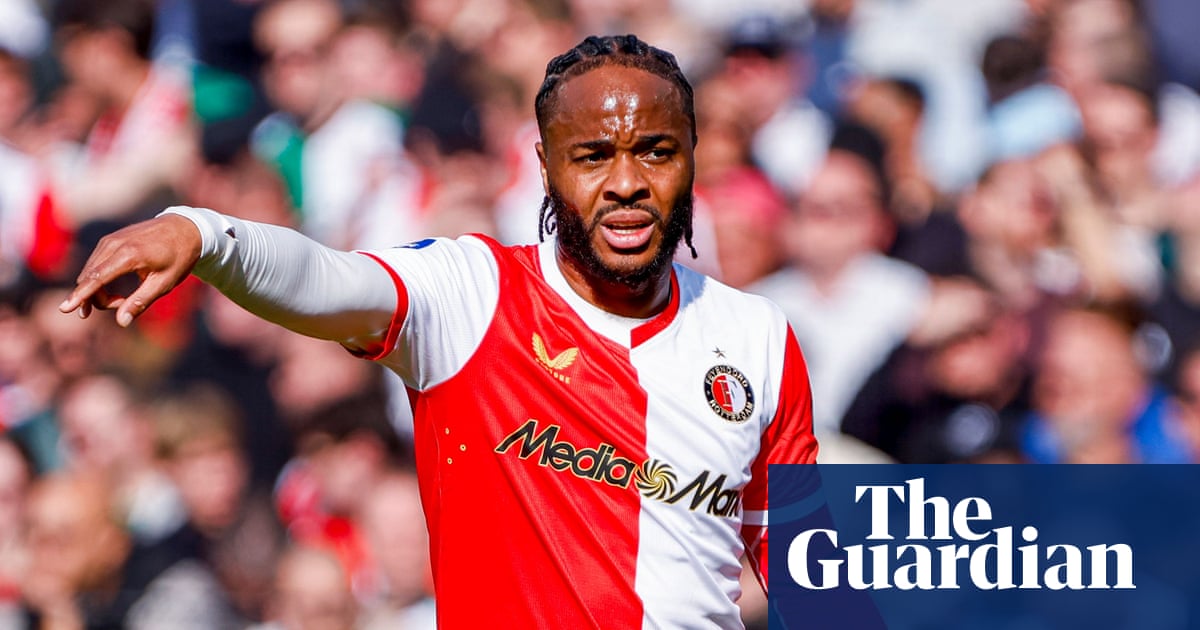
Raheem Sterling was detained by police on the M3 highway this Thursday. The arrest followed a collision involving his Lamborghini, which reportedly struck highway barriers. Authorities have confirmed the forward is currently under suspicion of driving while unfit through drugs.
This incident follows a season defined by professional isolation. Sources close to the player suggest he has been made to feel discarded by the elite levels of the sport after a decade of high-profile moves between Liverpool, Manchester City, Chelsea, and Arsenal. His recent campaign at Feyenoord provided little respite from that documented burnout.
Psychological strain in the crosshairs
The narrative surrounding the player has shifted rapidly from his tactical deployment on the pitch to the personal toll of his career trajectory. A source close to the England international indicated that he has endured immeasurable psychological strain, telling reporters he was made to feel “disposable.”
This is far from the typical injury report, yet it carries the same weight for his upcoming schedule. Instead of preparing for potential duties ahead of the 2026 World Cup, Sterling faces a legal process that effectively sidelines his career indefinitely. The contrast is sharp; had events unfolded differently, he might have been in Budapest with Arsenal this week, as reported by the Daily Mail.
The industry reality check
Professional football is often criticized for its inability to support players through extended periods of declining status. Sterling, once a central figure of the English game, has navigated multiple high-value transfers that invariably brought intense public scrutiny. The physical demand of his career has been matched by a public narrative that has frequently turned cold.
There is a sobering efficiency to how quickly a player can lose their standing in the game. His arrest, detailed by The Guardian on Friday, paints a picture of a man disconnected from the professional environment he inhabited for years. The physical reality of the Lamborghini crash serves as a violent coda to a season that Mirror Football labeled as exceptionally difficult.
Historical patterns of high-profile decline
Football history is littered with stars who struggled to navigate the vacuum left by shifting professional fortunes. While many cases center on tactical redundancy or injury, the psychological burden of being sidelined at age 31 is unique to the current era of hyper-commercialized competition. The lack of institutional support for players facing such transitions remains a critical failure of the modern game.
The timeline for any potential return to professional obligations remains non-existent. With legal proceedings initiated, the focus shifts from pitch fitness to regulatory compliance. This is a recurring failure in athlete welfare—a scenario where the machinery of the sport moves on instantly, leaving the individual to navigate the aftermath of a public breakdown alone. His absence from the pitch is now a certainty, and the implications of this arrest on his future employment are, at best, severe.
Strategic fallout for stakeholders
The immediate strategic implication is the permanent loss of a versatile attacker for any prospective club. Sterling’s market value was already in a state of flux following his move to Feyenoord. This incident effectively terminates any immediate commercial or sporting interest in a player who was once valued at over £50 million during his peak years.
Competitors and governing bodies will observe this closely as a cautionary case. The pressure to maintain elite performance levels often obscures the mental health reality of the players themselves. If there is a lesson to be extracted from this sequence, it is that the industry currently lacks a functional off-ramp for players exiting the top tier. The fallout from the Lamborghini collision will likely result in a prolonged legal battle, keeping Sterling away from football for the 2026 season and beyond.