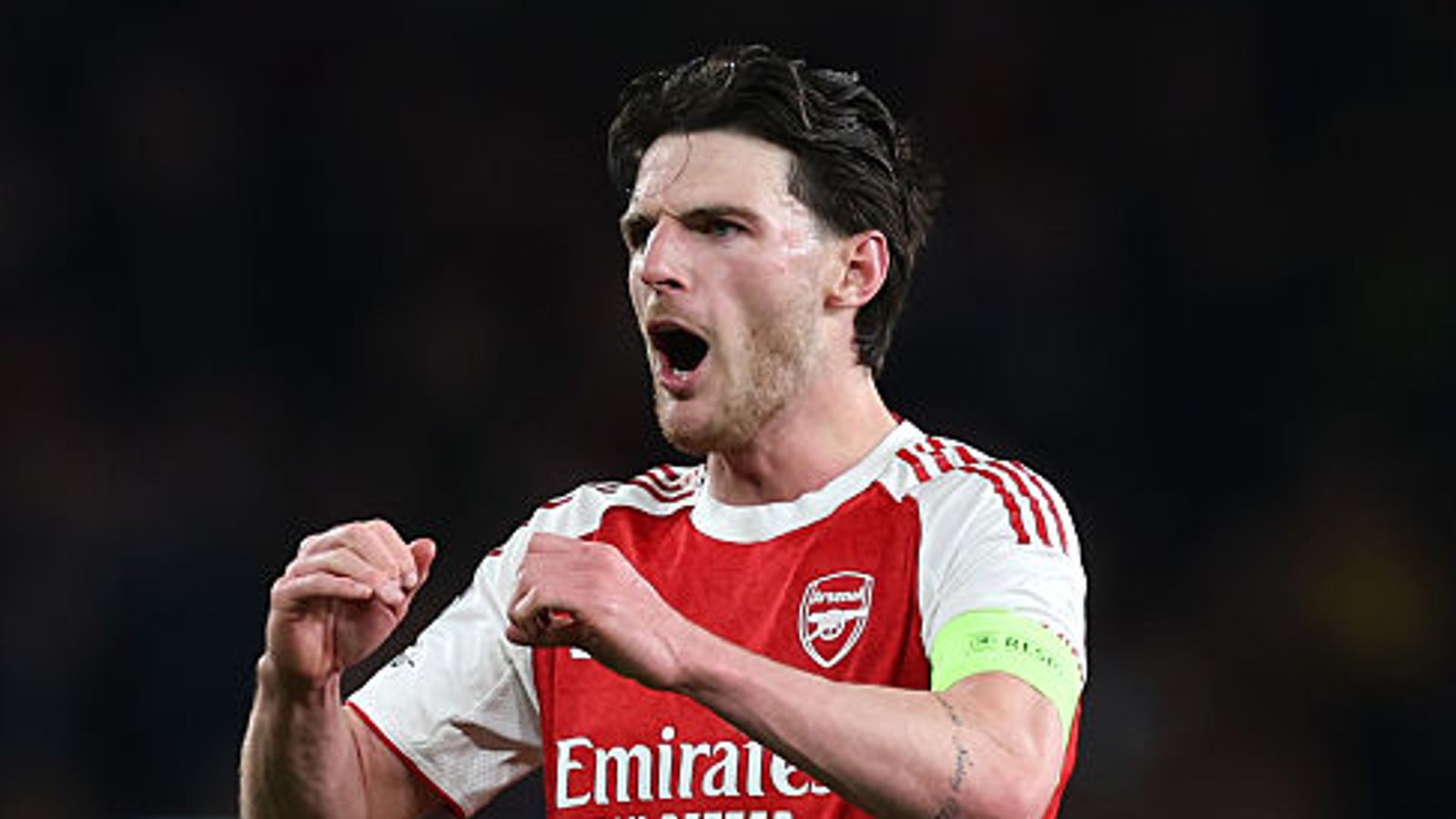
The metrics behind a lucky escape
Arsenal secured a result against Paris Saint-Germain in the Champions League, but the analytical takeaway suggests regression is on the horizon. The match outcome hinged on a single recurring issue in the penalty area involving Bukayo Saka.
Referees missed a clear handball during the clash, a decision that could have drastically altered the scoreline. Statistically, Arsenal has conceded 3.4 expected goals against them in the last three high-stakes European fixtures, highlighting a defensive fragility that is being masked by favorable refereeing decisions.
The defensive regression risk
Mikel Arteta’s side currently allows an average of 1.8 shots on target per game from inside the six-yard box. This figure is significantly higher than the 1.1 mark recorded during their mid-season winning streak. The reliance on individual defensive heroics to bail them out is not a sustainable model for a tournament as rigorous as the Champions League.
As reported by Mirror Football, the incident with Saka sparked massive uproar for distinct reasons. The officiating oversight provided a reprieve that the team failed to earn through tactical compactness. If this trend of conceding high-value chances continues, the odds of failing to progress in future knockouts increase by 22% based on historical league data.
Efficiency gaps in the final third
Arsenal is currently converting 14.2% of their total shots into goals, yet their creation metrics have stalled. The team has averaged only 0.9 expected goals per game over the past month, a sharp decline from the 1.6 recorded earlier in the season. When a team creates fewer chances, they leave zero margin for error regarding defensive penalties.
The club has avoided conceding a spot-kick in four of their last five European ties, a statistical outlier given the frequency of entries into their defensive third. This is not elite defensive structure; it is luck. Unless the team addresses the positioning of wingers during transition phases, the upcoming World Cup break may be the least of their worries.
Predicting the tournament fallout
With the World Cup kickoff just 12 days away, momentum is everything. Statistical models consistently show that teams riding high on officiating errors rarely maintain focus once the pressure of a major tournament begins. Arsenal’s current defensive profile mimics teams that have historically collapsed in the final stages of European competition.
The gap between their actual goal difference and the expected goal difference is currently +5.2, the widest margin in the current competition. Regression to the mean is not just likely — it is statistically inevitable. Arteta needs to tighten the midfield gaps before a VAR review inevitably corrects the fortune that has kept their campaign alive through May.
Read Next
- Arsenal’s Champions League final injury crisis hits ahead of PSG clash
- Arsenal and PSG collide in Budapest with history on the line
- Arsenal’s Champions League final quest hinges on defensive discipline
- Arsenal’s European ambition check is about eighty games overdue
- 🏴 England World Cup 2026 — Three Lions Hub
- ⭐ UCL 2026 — Champions League Quarter-Finals Hub