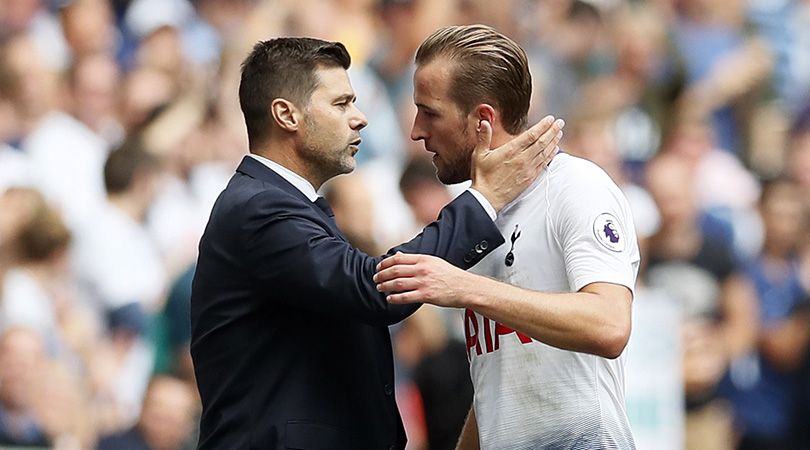
Real Madrid are betting on the past to fix their future
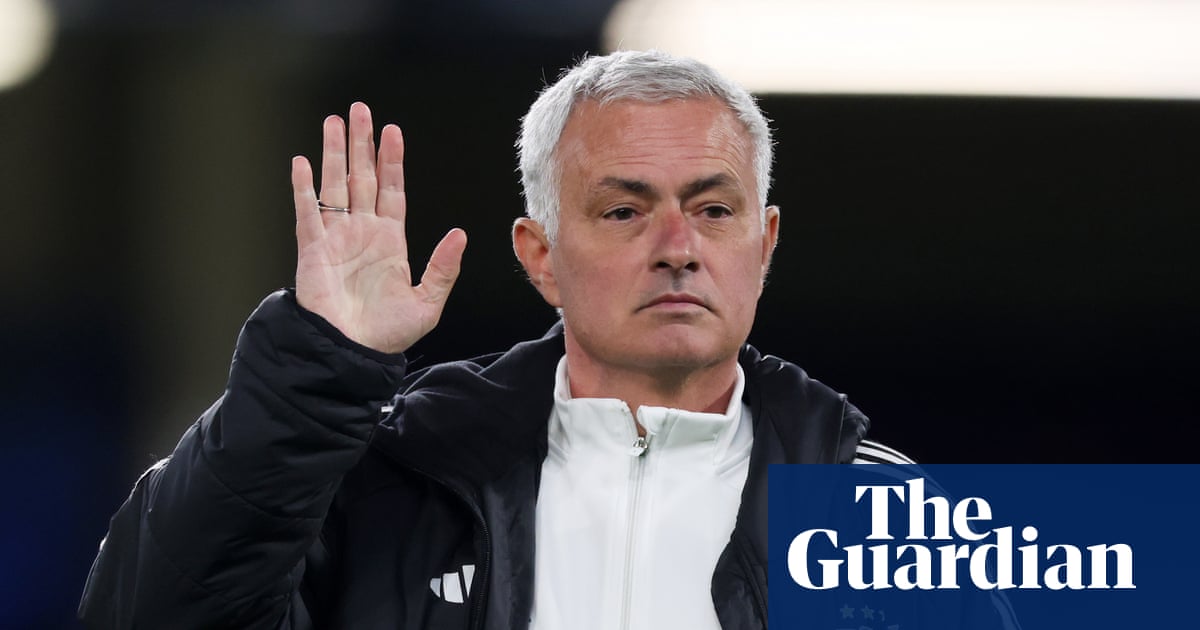
The Bernabéu’s nostalgic gamble
Today, June 11, the global eyes of football turn toward the opening whistle of the 2026 World Cup. Yet, in the Spanish capital, the football world is reeling from a different kind of reveal. Real Madrid have confirmed José Mourinho will return to the manager’s seat, ending a 13-year absence since his departure in 2013.
It is a move that reeks of desperation disguised as authority. Florentino Pérez has never been one for subtle transitions, but replacing a modern structure with the man who defined the club’s tactical trench warfare over a decade ago is a massive pivot. Mourinho arrives at 63 years old, leaving Benfica in his wake to reunite with the familiar colors of the Bernabéu.
The strategic disconnect
Tactically, this homecoming is a puzzle. During his previous tenure, Mourinho’s Madrid were defined by blistering verticality and a central spine designed to disrupt the dominance of Pep Guardiola’s Barcelona. The football was effective, often ruthless, but it lacked the aesthetic patience that Madridistas eventually demanded.
The current squad at Real Madrid is constructed for fluid transition and technical comfort. Bringing in a manager whose recent tactical identity relies on rigid low blocks and hyper-specific defensive triggers feels like an argument with the personnel currently walking through the tunnel. If he expects the current attacking core to track back with the discipline of his 2011-12 side, he may find himself in a cold war at Valdebebas by October.
The shadow of Benfica
The aftermath is already hitting Lisbon. Marco Silva has been tapped to fill the vacancy left by the Portuguese tactician, but the disruption is significant. As reported by The Guardian, the move to pull Mourinho from Benfica highlights the volatility of the club’s recruitment process. It leaves Benfica searching for stability just as their season cycle shifts into high gear.
There is also the matter of the pitch invasion controversy that rattled the SPFL last season. While Brian Wilson dismissed the clamor as an artificial distraction, the management of supporter movement remains a thorn in the side of European football organizers. Mourinho is a master of distraction, often using press room barbs to deflect from on-field tactical failures. If the results do not align with the 15 European titles currently housed in the trophy room, those diversionary tactics will burn out quickly.
The reality check
We need to address the structural flaws of this appointment. Madrid is not a club that thrives on defensive attrition in the long term; they thrive on the perception of superiority. Mourinho provides the armor, but he often forgets to build the engine that carries the team forward in the final third.
Watching his style clash with the expectations of the Santiago Bernabéu faithful will be the defining narrative of the next domestic cycle. He is a tactician who demands total submission to his philosophy, and a changing room of superstars rarely stays submissive for long. If the defense concedes more than 0.8 goals per game, the murmurs of discontent in the stands will turn into a roar.
Ultimately, this is a hire built on the ghosts of 2010. Whether those ghosts are meant to inspire or haunt, we will begin to see as early as the first league match. Madrid has chosen their path; they are paying for a heavyweight presence, hoping it still carries the same punch it did thirteen years ago.
Read Next
- Real Madrid's medical staff faces a Mourinho-sized headache
- Real Madrid are playing career mode with the transfer market again
- Newcastle's pursuit of Munoz feels like a vintage panic buy
- The World Cup fatigue trap is hiding in plain sight
- ⚽ La Liga 2025-26 — Title Race Hub
- ⭐ UCL 2026 — Champions League Quarter-Finals Hub
Fisher-Price Little People Collector U.S. Soccer Special Edition Set For Sports Fans, 2 Figures
The cutest way to show your U.S. Soccer pride before the big kickoff.
Frequently Asked Questions
Who has been appointed as the new Real Madrid manager?
Why is Mourinho’s return considered a tactical gamble?
Who is replacing Mourinho at Benfica?
When did José Mourinho previously manage Real Madrid?
What is the primary concern regarding Mourinho’s management style?
More Coverage
Bernardo Silva to Madrid and Canada's World Cup jitters
4 hours ago
Real Madrid are adding Bernardo Silva to a squad that is already unfair
7 hours ago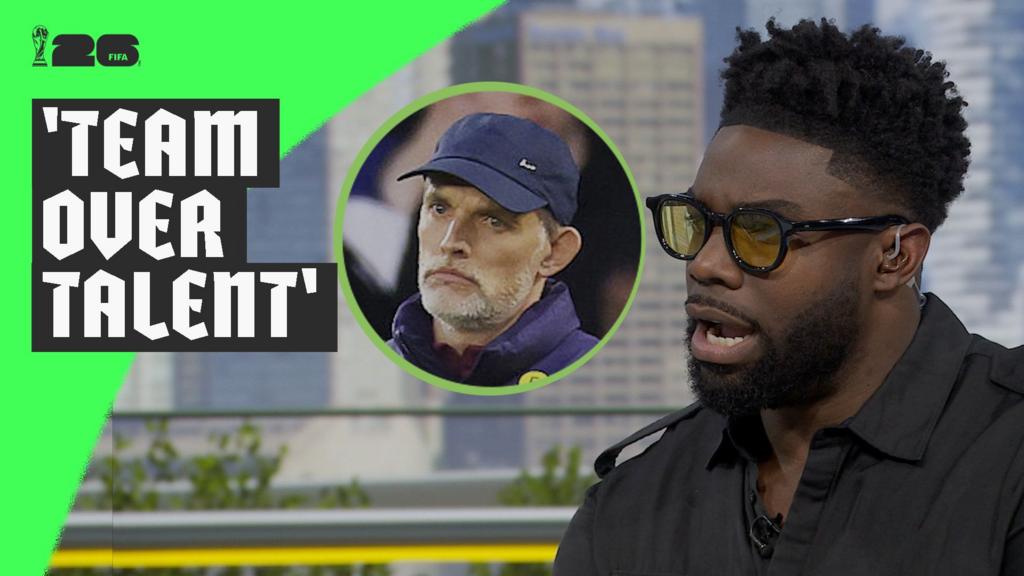
Thomas Tuchel's England selection prioritizes rigidity over creative flair
8 hours ago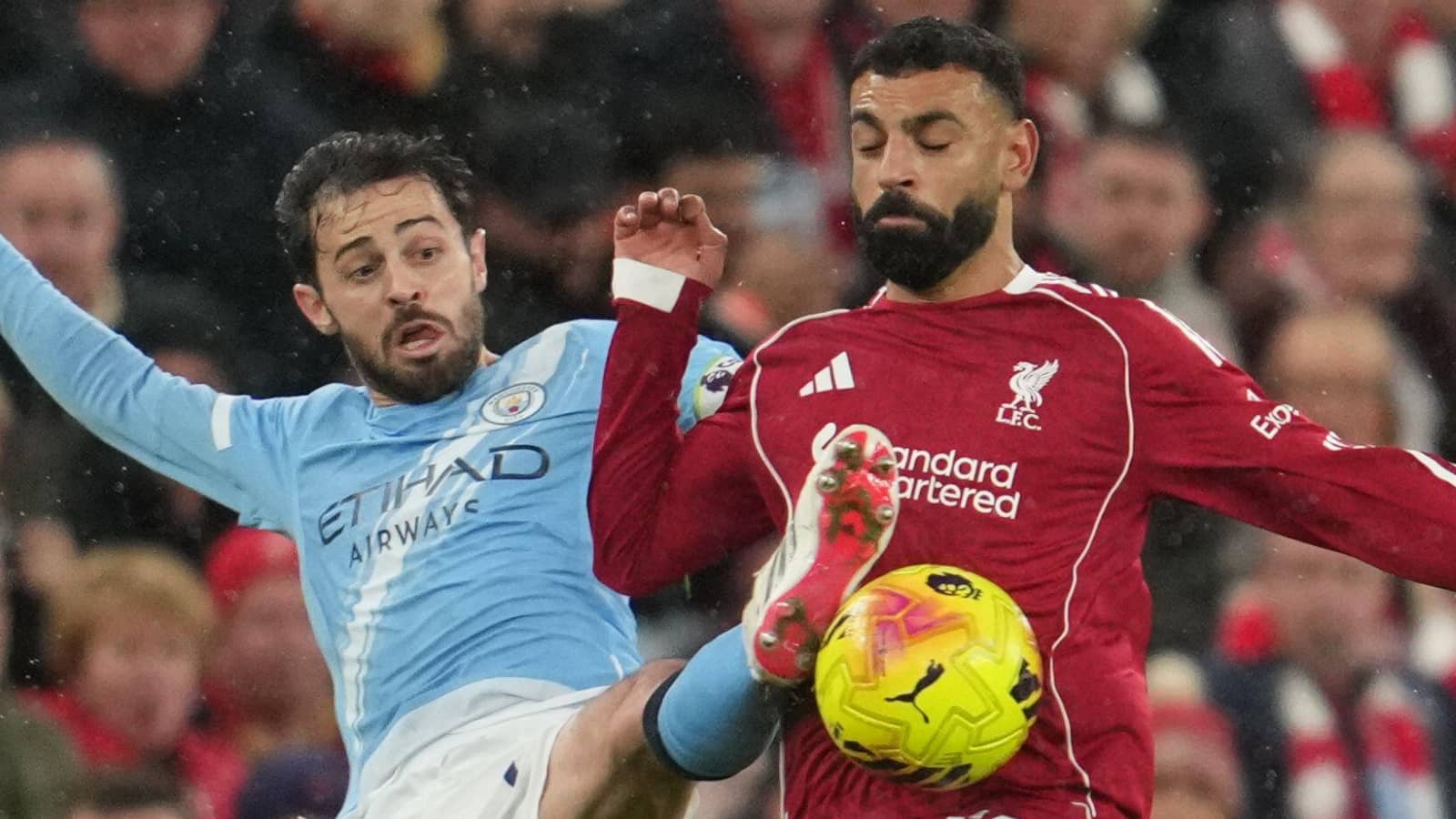
Real Madrid pushing for Bernardo Silva in shock summer swoop
12 hours ago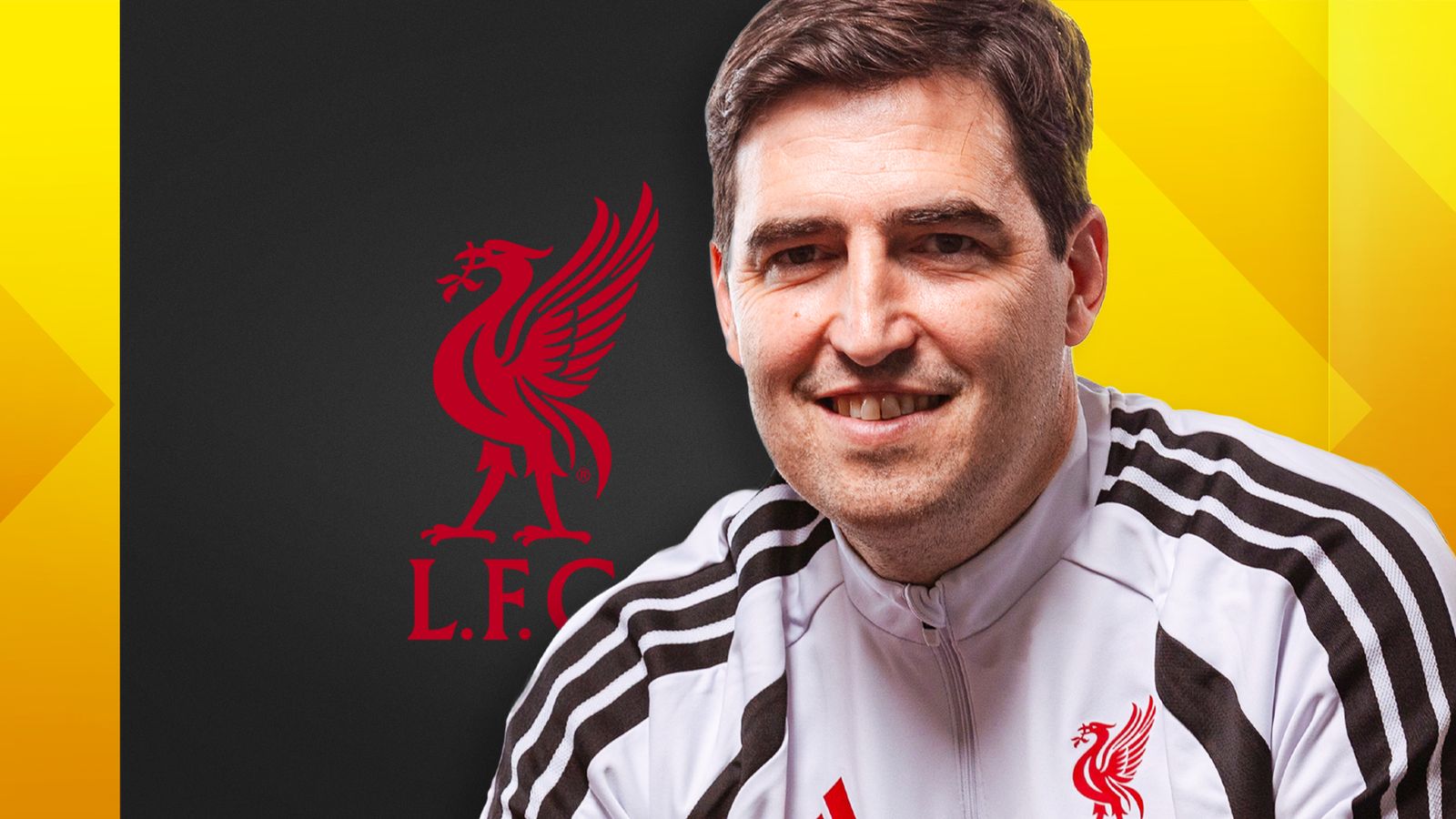
Liverpool’s backroom exodus is a massive gamble for Arne Slot
17 hours ago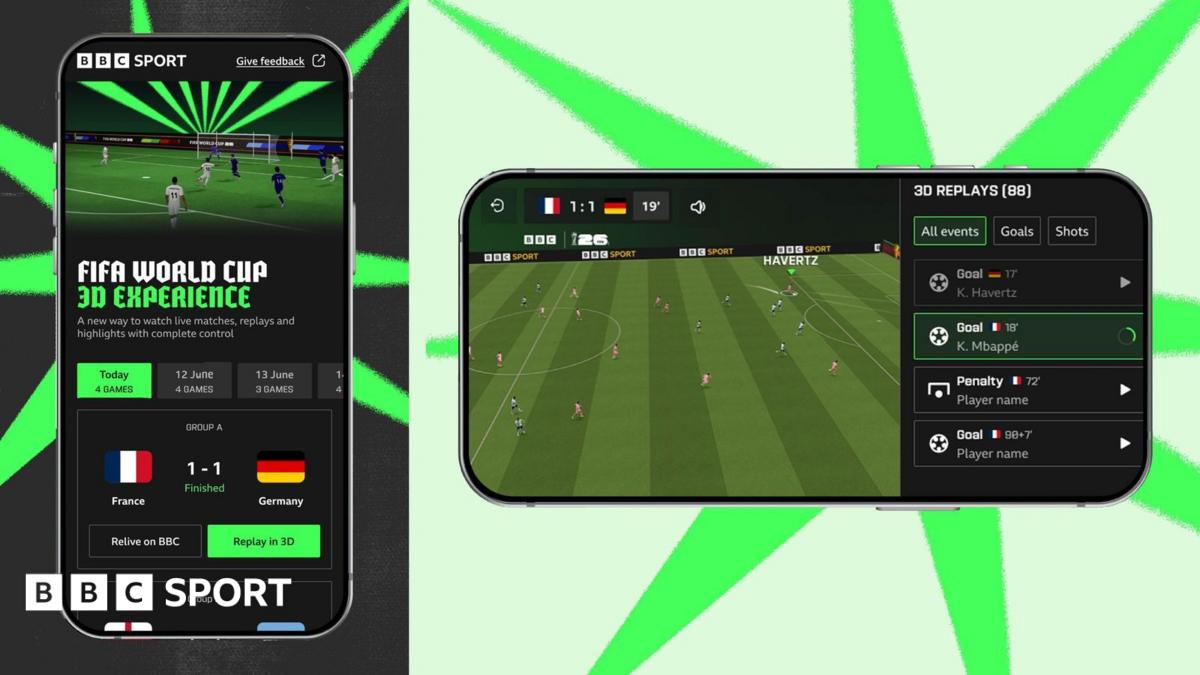
Tactical cameras are changing how we watch the World Cup
18 hours agoMore Analysis
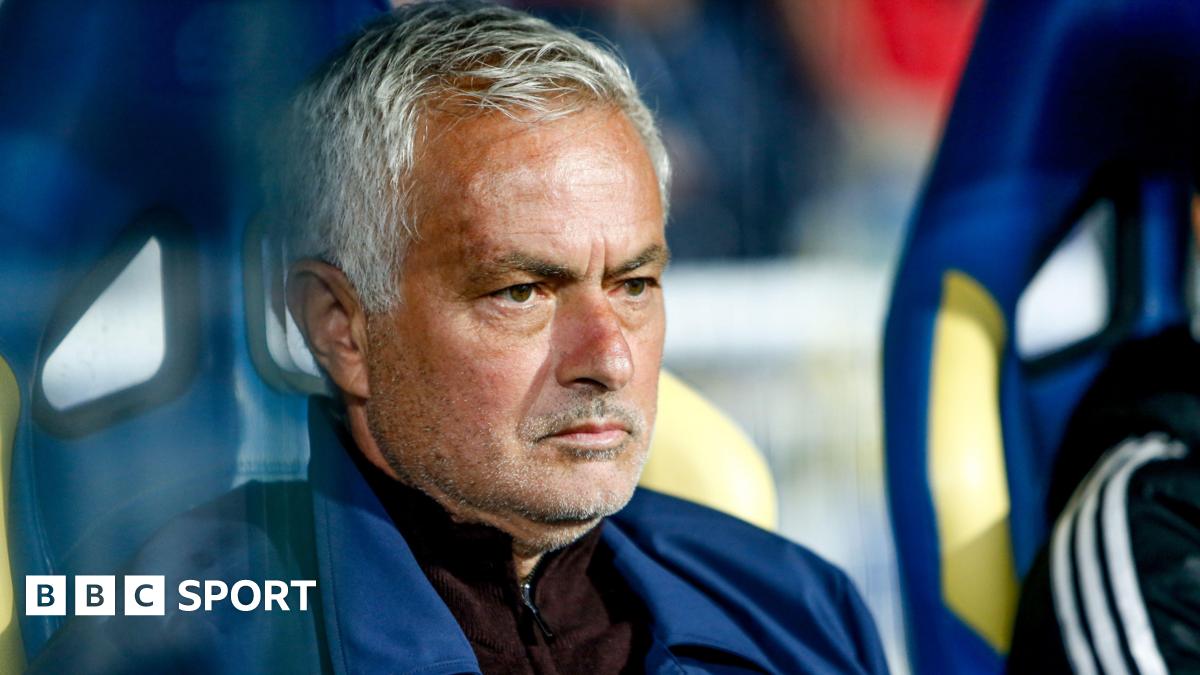
Mourinho at Real Madrid is nostalgia devoid of a strategy
2 weeks ago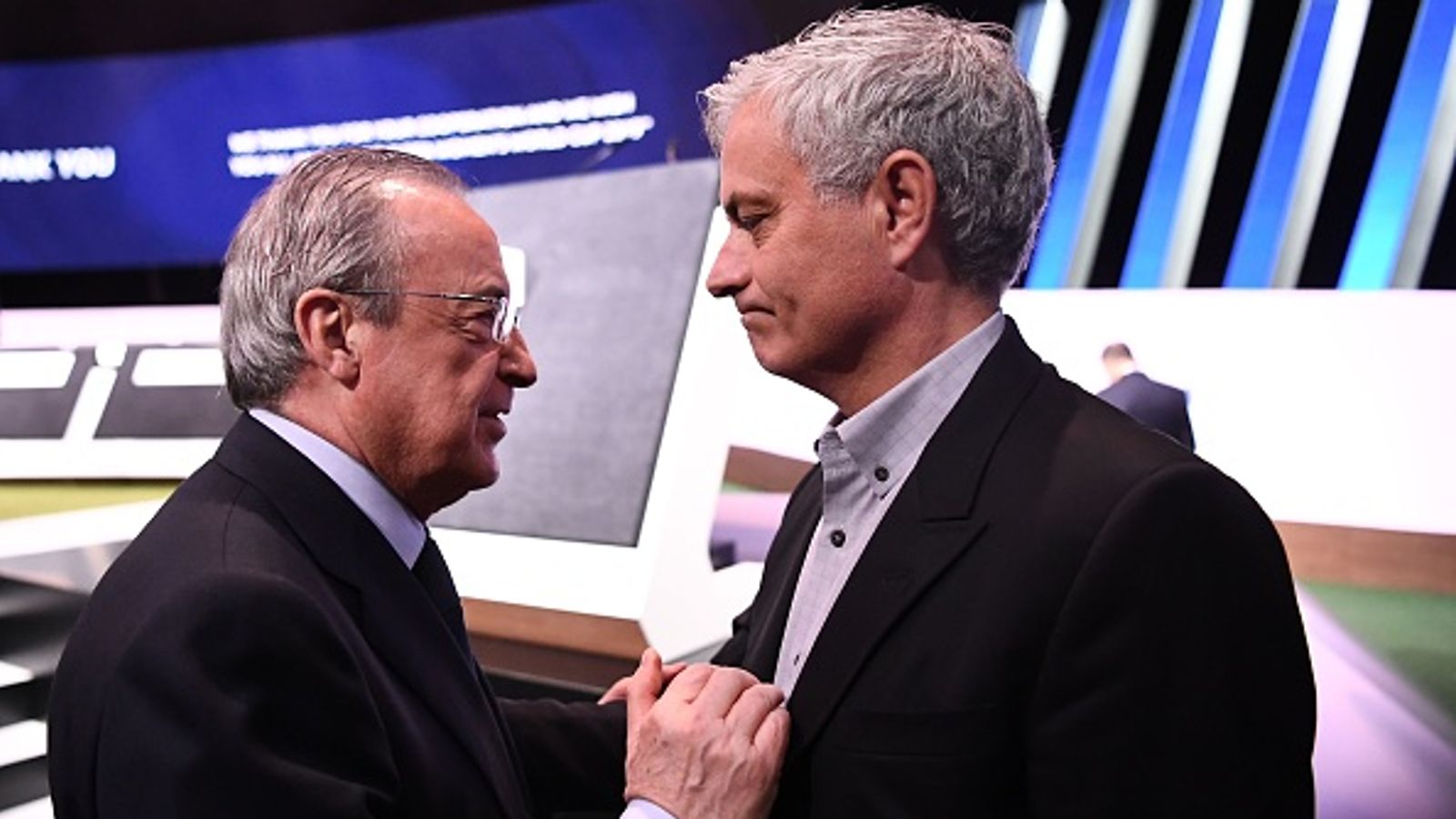
Mourinho back at the Bernabéu is a risk Madrid isn't ready for
4 days, 21 hours ago
Real Madrid's Mourinho return defies all modern logic
3 weeks, 4 days ago
Real Madrid's Jose Mourinho plan is a chaotic fever dream
1 week, 2 days ago