Broadcasting shifts behind the 2026 World Cup
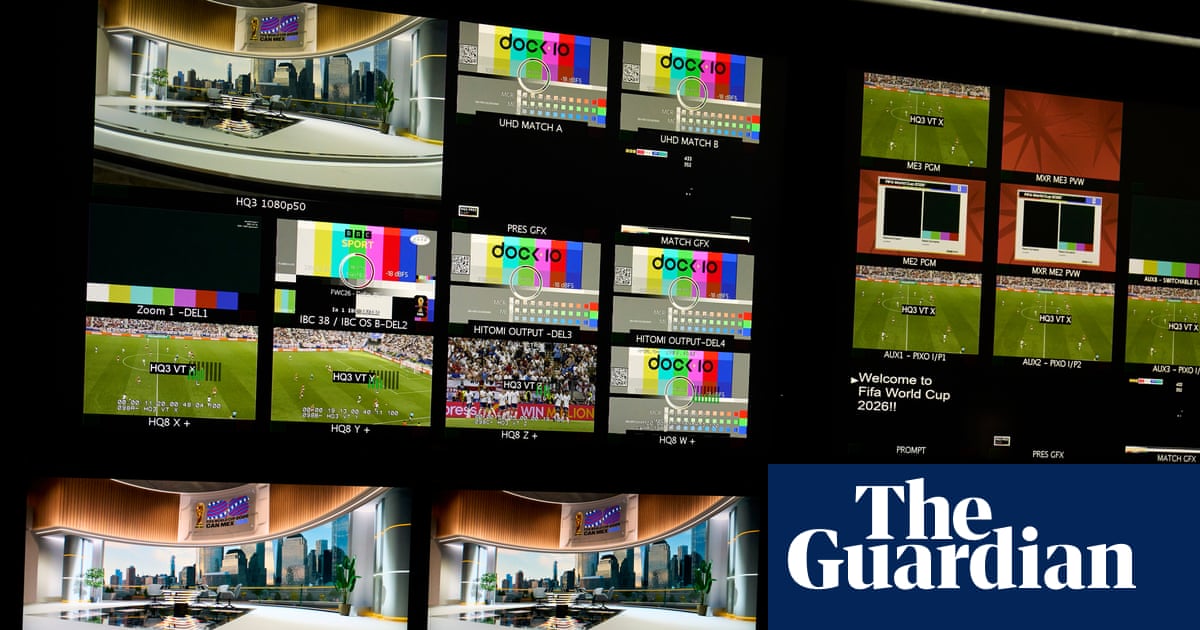
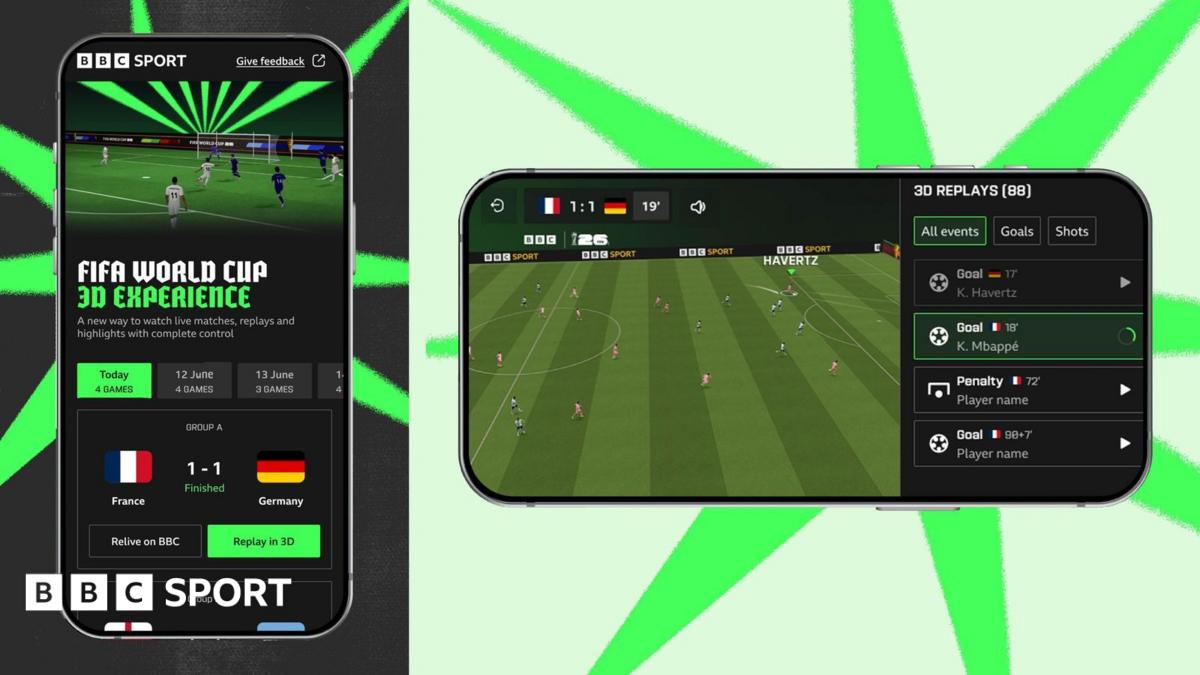
The 2026 tournament arrives with a technical upgrade that alters the viewing experience for the tactically inclined. While casual observers track the ball, the new BBC Sport tactical feed allows us to witness the structural integrity of a defensive block in real time. We no longer rely on the broadcast director to catch a secondary run or a defensive shift.
This is a massive departure from the traditional broadcast. For years, we have dealt with tight framing that ignores the off-ball movement between the midfield line and the defensive line. Now, we finally see the spacing, the triggers for a press, and the specific distances between a pivot player and his center-backs.
The data-driven revolution in the living room
Managers have always had access to this bird's-eye view. They use it to fix individual errors at halftime or analyze opponent tendencies before kickoff. Providing this to the public removes the shield of mystery that teams typically enjoy during a match. We can now pinpoint exactly when a defensive midfielder loses his shape or when a fullback recovers too late after a high turnover.
Seeing these patterns requires effort, but it rewards the viewer. If you look at high-intensity transitions, particularly those discussed in recent reports on tactical evolution, you realize how small the margins are. A gap of three meters is all it takes for an elite playmaker to thread a pass. Previously, you would just see a goal. Now, you see the breakdown leading to that goal.
The limitations of sterile vantage points
However, pure tactical angles present their own problems. They flatten the athleticism of the game. You lose the sense of velocity and the physical strain exerted by players over 90 minutes. A wide-angle lens makes a 40-yard sprint look like a gentle jog, diminishing the individual brilliance of a winger driving into the box.
There is also the risk of over-analysis. Football remains a sport defined by chaos rather than a strictly choreographed ballet. No matter how much data you consume via these new feeds, a deflection or a momentary lapse in concentration can dismantle any shape-based logic. We should watch these feeds to understand the intent, but maintain a healthy skepticism regarding the outcome.
Setting the stage for the knockout rounds
The upcoming fixtures will test whether these broadcasting tools actually improve our understanding or just create more noise. I expect the deeper engagement with these feeds to lead to smarter critiques of team setups. If a side is getting overrun in central areas, we will see it early, likely by the 15th minute of play, rather than just complaining when the score ends up 2-0.
My prediction for the remainder of the group stage is straightforward: teams that lean into these modern analytical structures will thrive, while those relying on old-school vibes will find themselves exposed to the broader audience. We are entering an era of radical transparency in football reporting, and for the student of the game, there has never been a better time to have an opinion.