The ghosts of the Bernabéu return
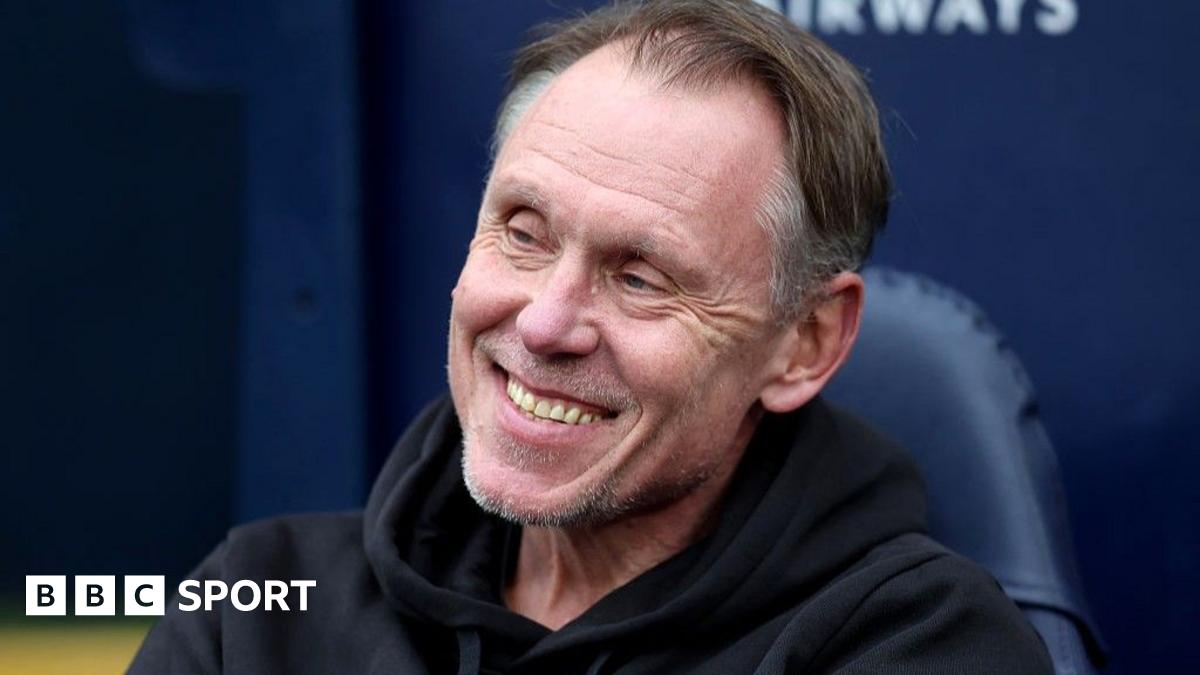
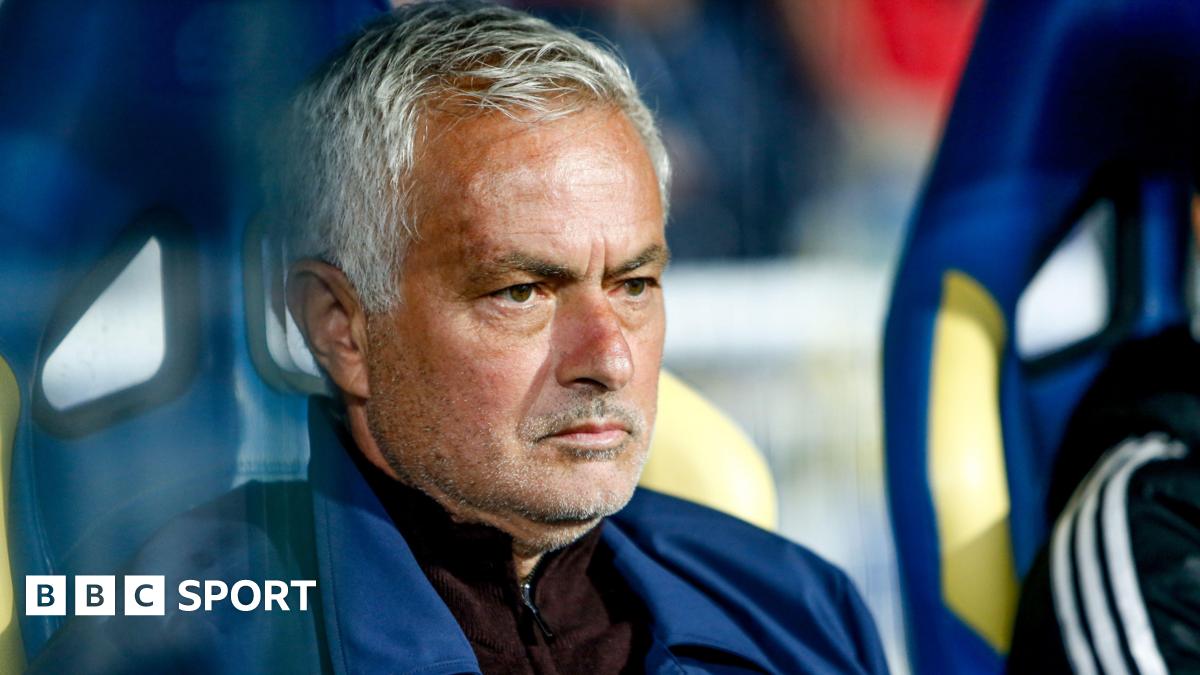
Real Madrid have officially confirmed the appointment of Jose Mourinho to a three-year contract, marking his second stint in the Spanish capital. The news arrives as the club looks to recalibrate, yet it feels like a decision tethered to the highlight reels of 2012 rather than the tactical requirements of 2026. Bringing Jose Mourinho back to the Bernabéu is an admission that the current dressing room leadership has failed to cultivate a distinct identity.
Mourinho arrives with a track record that is historically significant but statistically divergent from his peak years. His most recent deployments have favored low-block defensive structures and a reliance on individual flashes of brilliance over sustained, high-possession sequences. At Real Madrid, the expectations remain fixed on total domination of domestic and continental opposition. The friction between his pragmatic conservatism and the club's demand for aesthetic superiority will define the next six months.
The squad profile mismatch
This roster is built for transition and high-speed verticality. Mourinho, however, prefers a midfield pivot that sits deep, prioritizing security over the fluid 4-3-3 shape that has produced 70% possession metrics in recent campaigns. His arrival signals an end to the current experiment with high-pressing triggers on the halfway line. Anticipate a shift toward a mid-block, designed to bait the opposition into over-committing before launching rapid counter-attacks.
Critics will point to his tenure at Roma as the primary concern. Tactical flexibility evaporated in his final term, with the team averaging less than 1.1 xG per match. Unless he evolves his setup to facilitate the creative freedom of the current attacking core, the squad will stagnate. Real Madrid management is betting that a veteran tactician can iron out defensive frailties, but they ignore the reality that this group thrives on momentum, not structure.
Predicting the early friction
The honeymoon phase often masks fundamental tactical flaws. Mourinho will almost certainly secure results against mid-table opposition by tightening the defensive work rate, but the Champions League knockouts demand a proactive approach that his recent sides have lacked. His record in cup finals remains elite, yet reaching those stages in 2026 requires more than a disciplined back four.
Expect headlines centered on squad harmony within the first 90 days. Mourinho rarely settles for internal compromise, and any variance in professional standard will be exposed in his post-match press conferences. If he does not secure 15 points from the opening six matches, the pressure will mount rapidly. This is a high-stakes gamble that prioritizes reputation over current trends. My prediction is simple: he will stabilize the defense, but he will alienate the locker room before the season reaches the 20-match mark.
Read Next
- Anthony Gordon to Barcelona: Analyzing the Camp Nou Gamble
- Top 10: Real Madrid’s Summer Transfer Volatility
- Barcelona and the £156m madness behind their latest transfer spree
- Anthony Gordon in Catalonia: A gamble on pace and grit
- ⚽ La Liga 2025-26 — Title Race Hub
- ⭐ UCL 2026 — Champions League Quarter-Finals Hub