The quiet exit of a promising talent
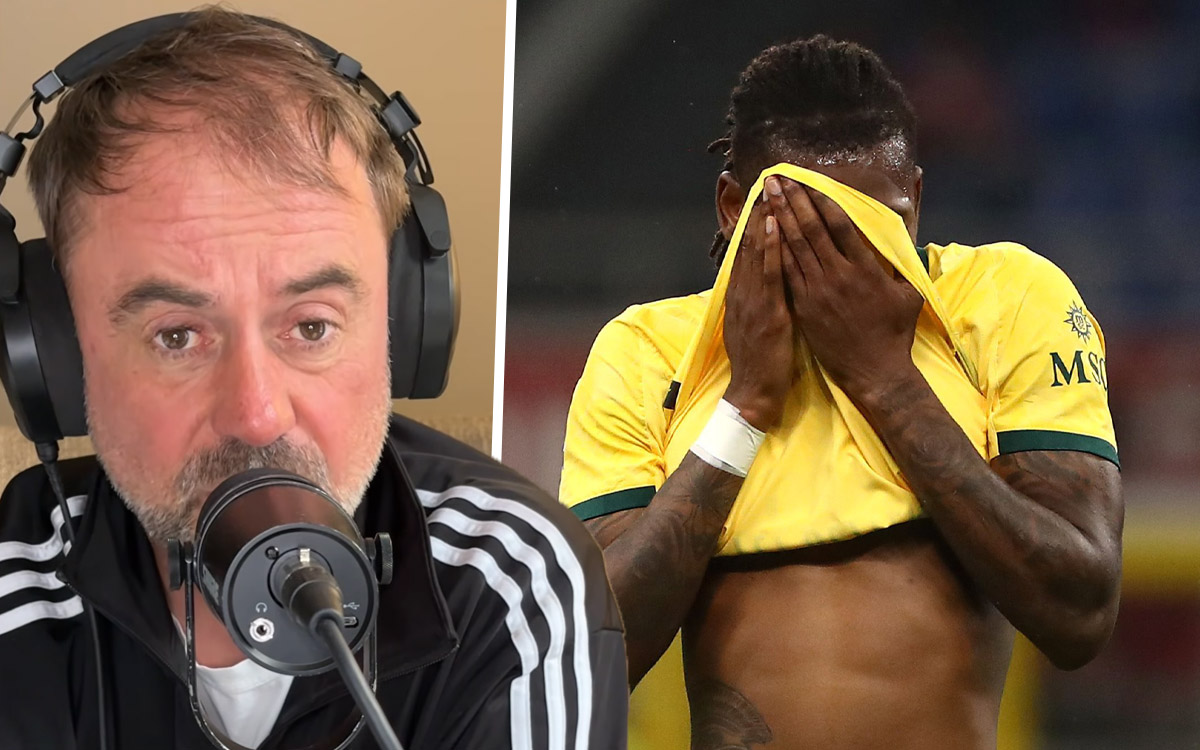
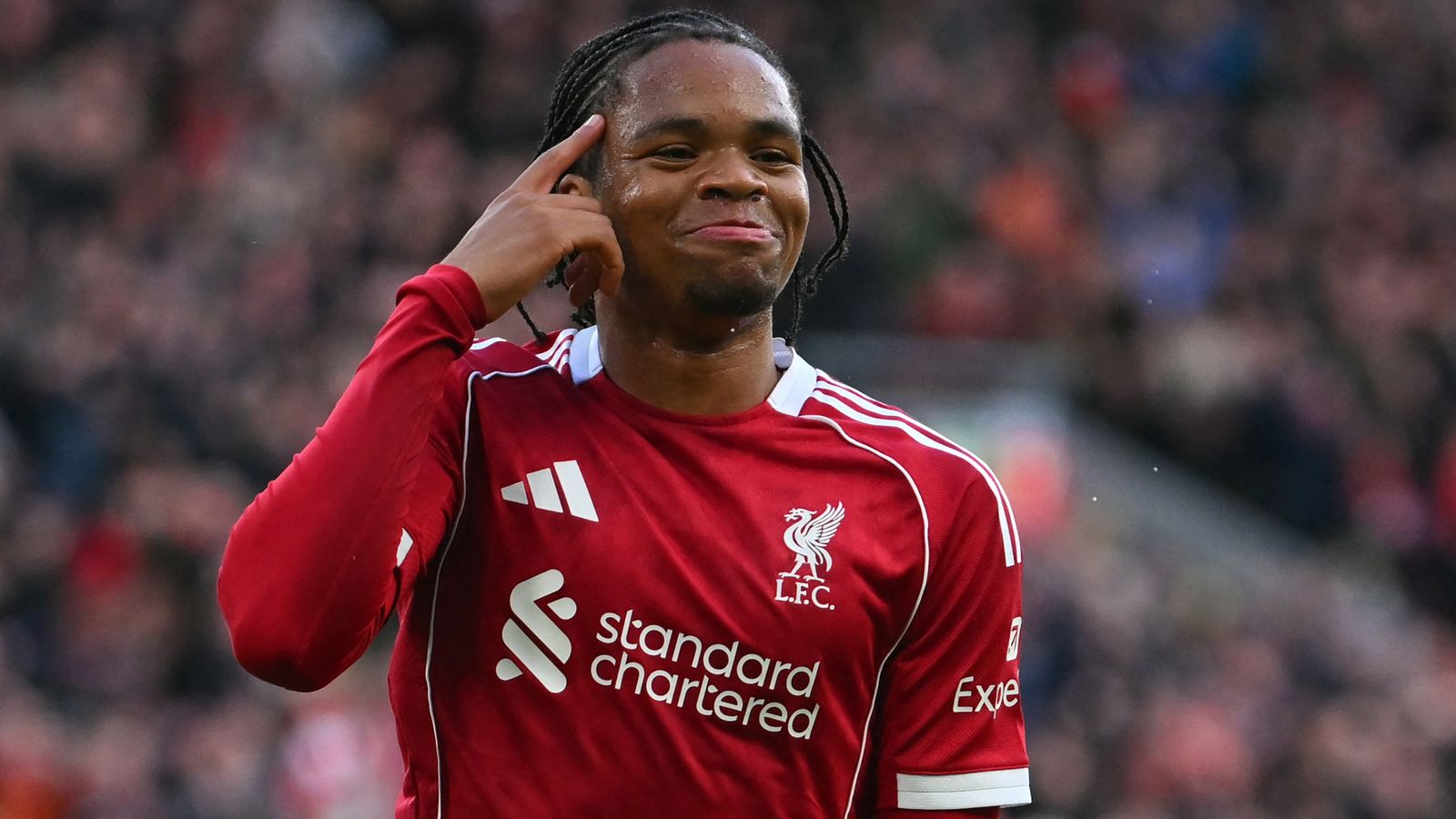
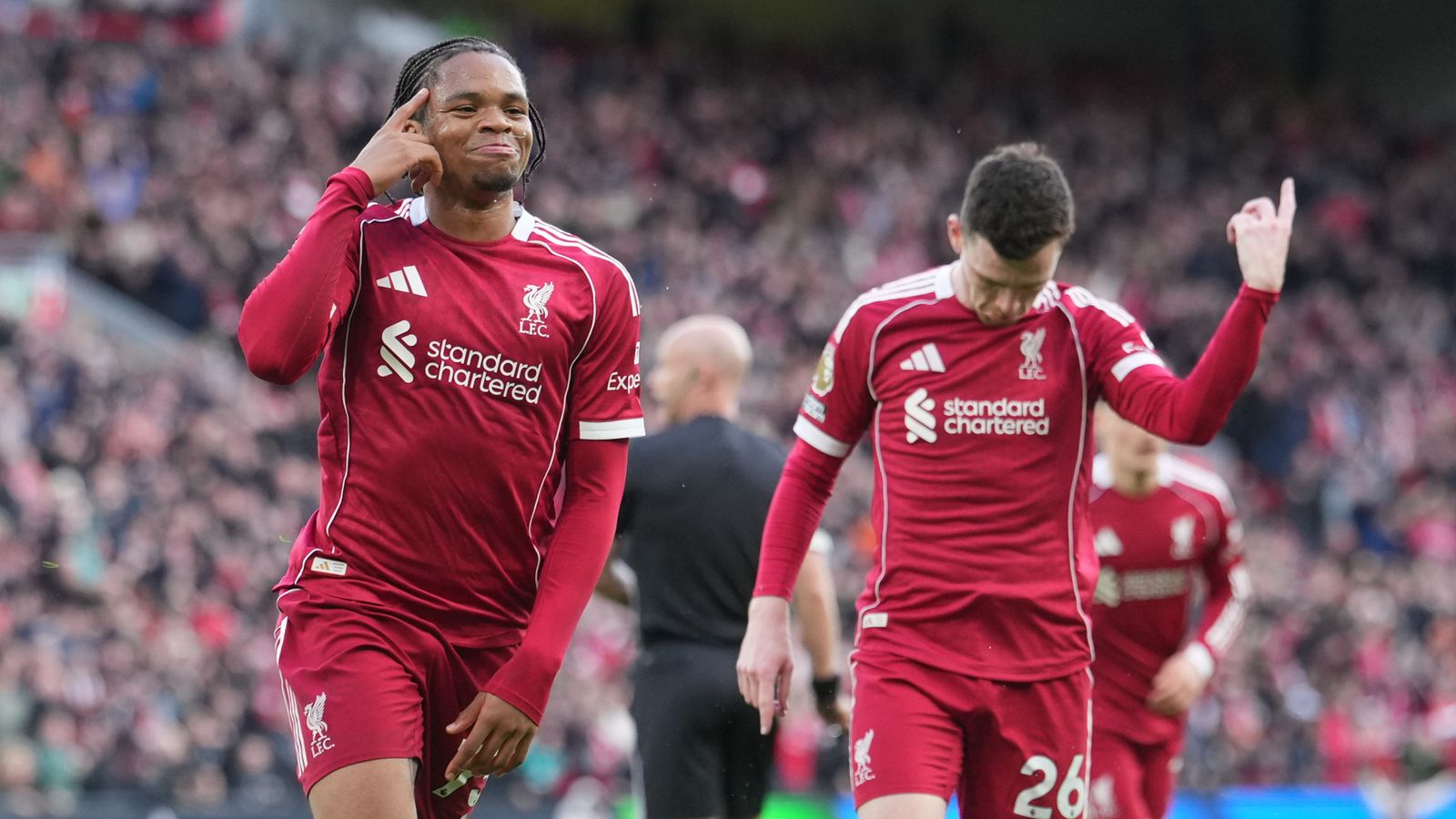
Rio Ngumoha is heading home. The teenager, who recently made a significant splash during his initiation with the England squad, is set to depart the United States this week. While initial chatter focused on fitness concerns, the decision to remove him from the traveling group is purely strategic. He has spent the last several days training on the periphery of the senior team.
Ngumoha arrived at the training camp with a reputation for high-octane winger play. He looked sharp in drills, reportedly holding his own against defenders who will feature in the upcoming FIFA World Cup kickoff on June 11. However, Liverpool brass and the Football Association have clearly coordinated the exit. He will return to the country in under 30 days, rejoining the squad for Liverpool's pre-season tour.
The Barnes reality check
John Barnes has been vocal about the hype surrounding the youngster. The Liverpool icon recently issued a blunt message to the media and supporters: leave him alone. Speaking on the recent discourse regarding Ngumoha, Barnes insisted the winger is not ready for the heavy lifting of full international selection. His early exposure to the camp was an observation exercise, not a trial by fire.
Barnes noted that modern development rarely benefits from the microscope of senior tournament attendance. Forcing a player of his age onto the international stage before he has fully established a rhythm in Premier League play is premature. The move by Liverpool to bring him home protects the asset from unnecessary burnout before the club schedule even hits the middle of July.
Tactical friction and squad selection
The timing of Ngumoha’s departure aligns with the tightening of international competition. With the World Cup looming just 48 hours away, teams are slashing their training rosters to focus on the 26-man units mandated by FIFA. The pressure is mounting on a squad that has been tagged as potentially unwatchable by some sectors of the media, as documented by Football365.
This environment is not conducive to developing a teenager. The intensity within the England camp has spiked, and the tactical focus is purely on opposition breakdown drills rather than individual skill development. Keeping Ngumoha in this pressure cooker offers him little gain compared to the benefits of a focused, lower-intensity Liverpool pre-season program.
Historical context and broader impact
We have seen this script play out before with young prospects like Jadon Sancho or Jude Bellingham. The difference is the institutional restraint currently being practiced at Anfield. There is an unmistakable trend of clubs hoarding youth talent to ensure they remain fresh for high-leverage league fixtures. By pulling him now, Liverpool avoids the risk of a soft-tissue injury that could derail his entire autumn.
As confirmed by recent reports from the BBC, Ngumoha has certainly made his mark on the coaching staff. Making a good impression is one thing but playing in a World Cup is another. The goal for Liverpool is a sustained impact over the next 38 games, not 15 minutes of intensity in a training match that carries no weight in the official tournament books.
Critical analysis of the FA approach
The inclusion of Ngumoha in the first place raises questions about the FA's current scouting philosophy. Using an injury-prone, high-pressure tournament build-up to test teenagers is a gamble. If he had sustained a knock during a tactical drill in the U.S., the club would rightly be furious. Sending him to the U.S. seems like a vanity project for coaches who want to say they are looking at the future of the English game.
The logistical cost of moving a player across the Atlantic for a week of practice is difficult to justify. It disrupts his recovery, affects his summer training plan, and places a spotlight on a kid who needs to be playing consistently at the academy or loan level to grow. The outcome is binary: either he is in the squad to play, or he should stay in his current team environment. Anything else is a waste of resources.