The Fulham Fallout and the Teenage Engine
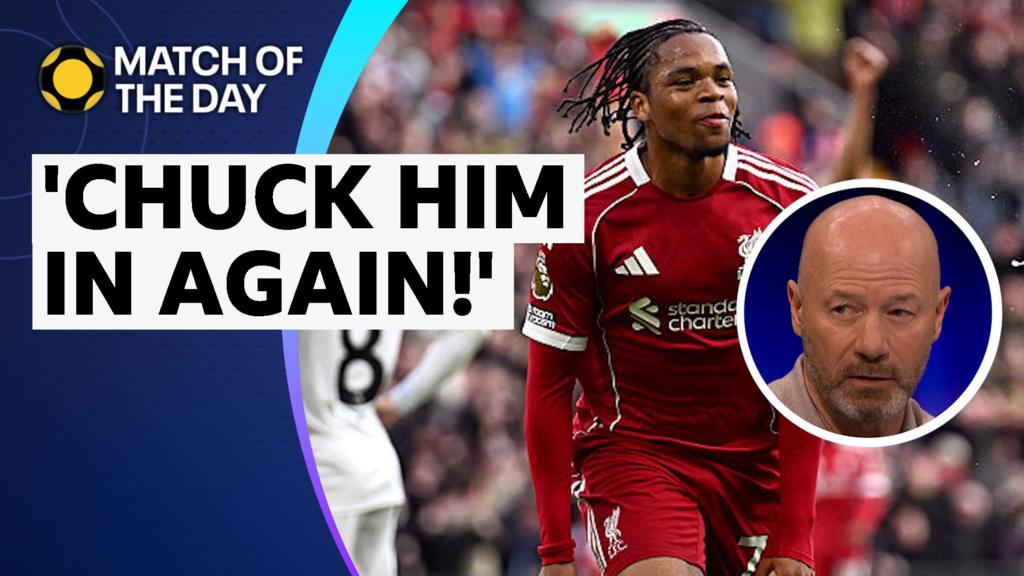
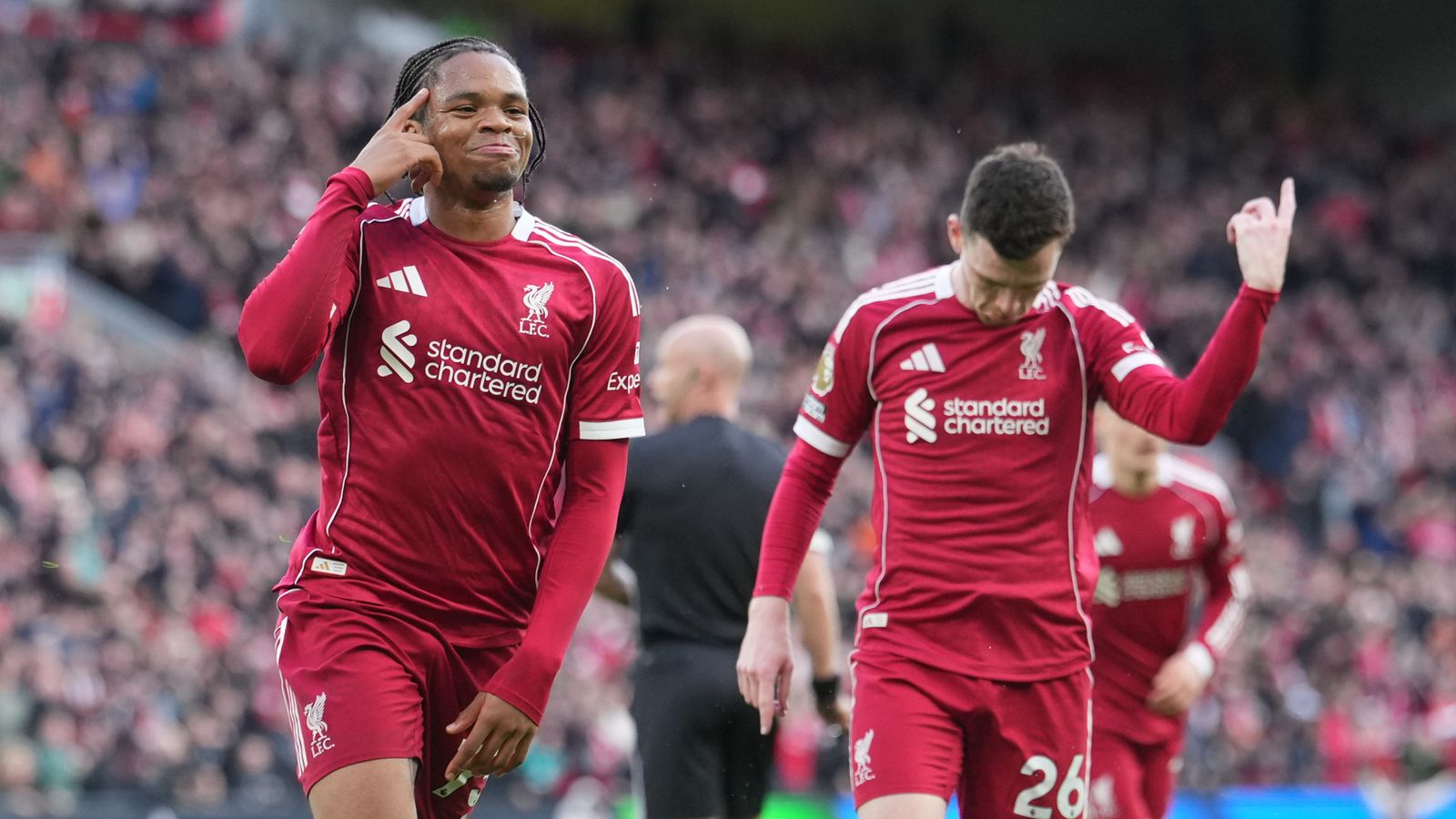
Liverpool secured a routine 2-0 victory against Fulham this past weekend. That result was largely expected. What wasn’t entirely expected was the sheer physical output of teenager Rio Ngumoha, who opened the scoring with a superb finish. He didn't just play well; he ran himself into the ground.
Andy Robertson had a front-row seat for the performance. The veteran left-back reportedly offered the youngster advice during the game, which Ngumoha promptly ignored. That youthful exuberance is brilliant for fans to watch. From a medical and fitness perspective, it is a massive red flag.
When a teenager ignores advice from a seasoned professional regarding pacing, they are relying purely on adrenaline. Adrenaline masks fatigue. That is highly dangerous. It hides the microscopic muscle tears that accumulate during high-speed decelerations. Players who cannot pace themselves invariably hit a physical wall.
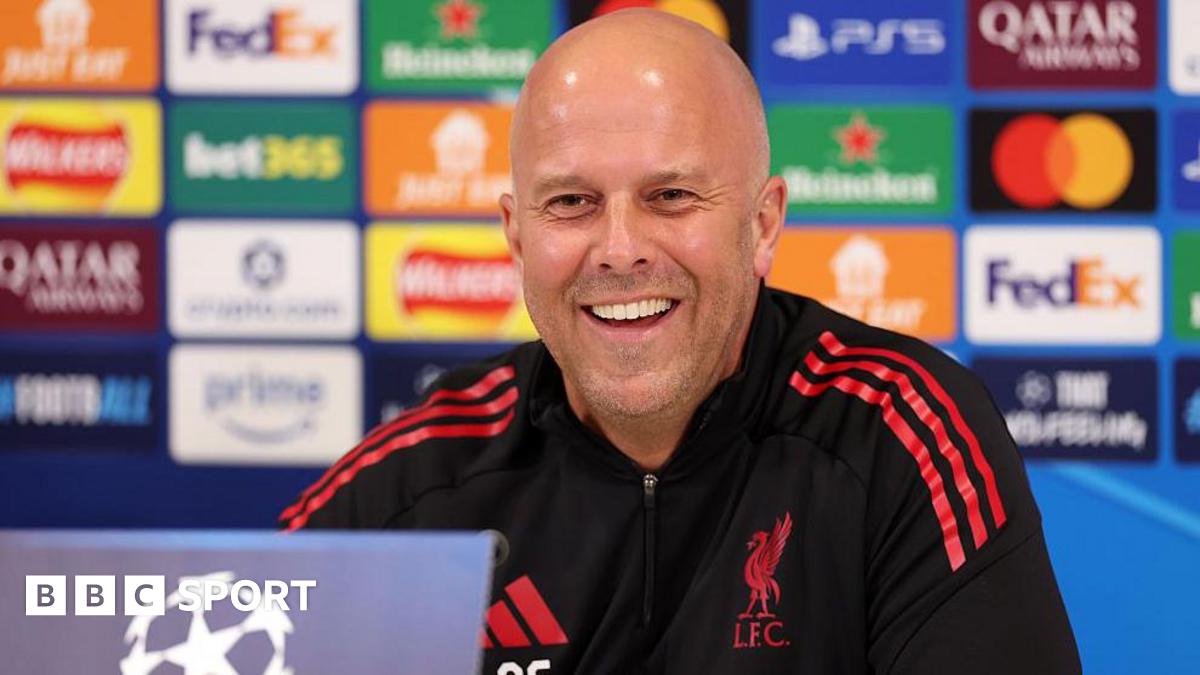
Arne Slot highlighted a specific issue with Ngumoha following the Fulham match. While the manager didn't outline a detailed medical report, the fitness department at Kirkby will be sounding alarms. You cannot treat a developing body like a fully formed adult athlete, no matter how spectacular their finishing ability is.
The Physiology of a Breakout Star
Ngumoha is pushing for a start against Paris Saint-Germain on Tuesday, April 14. Liverpool face a win-or-bust scenario in this Champions League quarter-final second leg. They have a mountain to climb, which inherently means the tactical setup will require relentless pressing and explosive counter-attacks.
This is where the sports science becomes heavily critical. A young winger relies heavily on fast-twitch muscle fibers. These fibers generate incredible speed and power, allowing for the kind of sharp movements that unlocked the Fulham defense. However, they fatigue significantly faster than slow-twitch fibers.
They also require much longer recovery windows. When a player completes a high-intensity match, their creatine kinase levels spike heavily. This enzyme indicates muscle damage and cellular stress. For a mature player, the medical team has years of baseline data to know exactly how long recovery takes.
For a teenager, the data is entirely unpredictable. The recovery curve is rarely linear. Hormonal fluctuations and ongoing physical growth mean that what takes a 25-year-old two days to recover from might take a 17-year-old four days.
Spiking a young player's workload by starting them in a demanding Premier League match and then asking them to repeat the effort 72 hours later in Europe is a massive gamble. The risk of a non-contact soft tissue injury skyrockets.
The Cautionary Tales of Overplayed Youth
Football history is littered with teenagers who were pushed too hard, too soon. The medical literature in sports science often points to the Barcelona crisis of the early 2020s. Pedri played over 70 matches in a single calendar year for club and country. His hamstrings eventually gave out, leading to years of chronic issues.
Ansu Fati suffered severe meniscus damage because his joints were subjected to extreme torsional loads before his growth plates had fully fused. In England, Michael Owen remains the ultimate cautionary tale. He was overplayed by club and country, relying heavily on his explosive pace.
Owen's hamstrings were permanently ruined by his mid-20s. The human body only has a finite number of high-intensity sprints in the tank.
Liverpool’s medical staff are acutely aware of these precedents. They have access to advanced GPS tracking data, heart rate variability metrics, and daily sleep analysis. The numbers will tell them exactly the level of risk Ngumoha presents for the PSG fixture.
Slot has been urged to make a definitive decision on the teenager. The pressure from the fanbase and the media is to throw him into the fire. The medical reality suggests that starting him could risk a grade-two hamstring tear, an adductor strain, or worse.
The Tactical Demands of Chasing a Deficit
Chasing a game in the Champions League is a unique physical proposition. The ball is in play for longer stretches than in a typical domestic fixture. The transitional moments are faster and significantly more punishing.
PSG boast some of the most athletic defenders in Europe, meaning every single duel will be a high-impact collision. Ngumoha would not just be running; he would be fighting through heavy contact. At his age, his bone density and muscle mass are still developing.
Absorbing tackles from fully mature European center-backs takes a severe toll on the body. The eccentric muscle contractions required to suddenly stop and change direction while being leaned on by a defender cause micro-traumas in the muscle belly.
If he starts, his sprint distance will likely need to exceed 1,500 meters to be effective in Slot's high-octane pressing system. The human body requires minimum recovery thresholds to perform high-speed running safely. He has had less than three full days since the Fulham match.
The physiological load of Tuesday night will be immense. The lactic acid accumulation from repeated sprints will start binding his muscles by the 60th minute. This is the absolute danger zone for soft tissue injuries.
The Biomechanics of the Teenage Sprint
When a player like Ngumoha accelerates, the force generated by his quadriceps is immense. However, it is the hamstrings that must act as the braking system when he decelerates. In a teenager, the muscle bellies grow faster than the tendons can strengthen.
This creates a dangerous mechanical imbalance. The muscle has the power to run at 35 kilometers per hour, but the tendon does not have the tensile strength to absorb the shock of a sudden stop. This is exactly how severe avulsion fractures or high-grade tendon tears occur.
Furthermore, the emotional charge of a Champions League night at Anfield overrides the brain's natural fatigue inhibitors. A fatigued player will normally slow down instinctively. A teenager running on pure adrenaline will ignore those neural signals, pushing the muscle past its breaking point.
The lack of pacing that Robertson identified is the exact behavioral trait that leads to these injuries. Ngumoha is effectively driving a high-performance sports car with no understanding of how the brakes function under heavy load.
The Verdict on Slot’s Dilemma
Slot is walking a highly dangerous tightrope. He has a wonderkid who just scored a superb goal and is riding a massive wave of confidence. The player is understandably dreaming of leading the line for the Reds on the biggest stage.
Yet, ignoring the medical data is how careers are drastically shortened. Robertson tried to guide him through the Fulham match. He was likely telling him when to press, when to hold his shape, and when to conserve energy. Ngumoha ignored that advice, relying on raw instinct.
Against Fulham, you can get away with that lack of pacing. Against PSG, when the legs turn to lead in the 75th minute and the muscle fibers are screaming for oxygen, an uncontrolled sprint will almost certainly result in a physical breakdown.
Liverpool must manage this situation with extreme caution. The medical staff should ideally restrict him to a 30-minute cameo off the bench. Anything more is an irresponsible gamble with the long-term physical health of their brightest prospect. The medical department must overrule the coaching staff if necessary.
Read Next
- Arne Slot faces massive Rio Ngumoha fitness dilemma ahead of PSG clash
- Top 10: The Defining Moments of Liverpool's Jurgen Klopp Era
- Arsenal face a defining Champions League night after Bournemouth collapse
- Arsenal's Bournemouth disaster exposes Arteta's fatal flaw ahead of Europe
- ⚽ Ligue 1 2025-26 — PSG, Monaco & the Title Race Hub
- ⭐ UCL 2026 — Champions League Quarter-Finals Hub