The Breakout at Craven Cottage
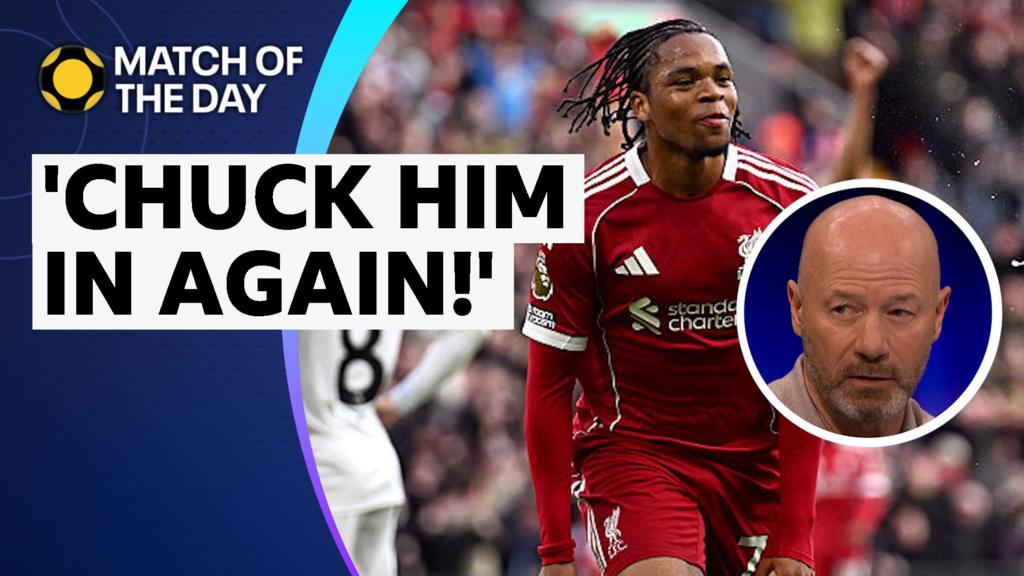
Rio Ngumoha took centre stage as he helped set Liverpool on their way to three points this weekend.
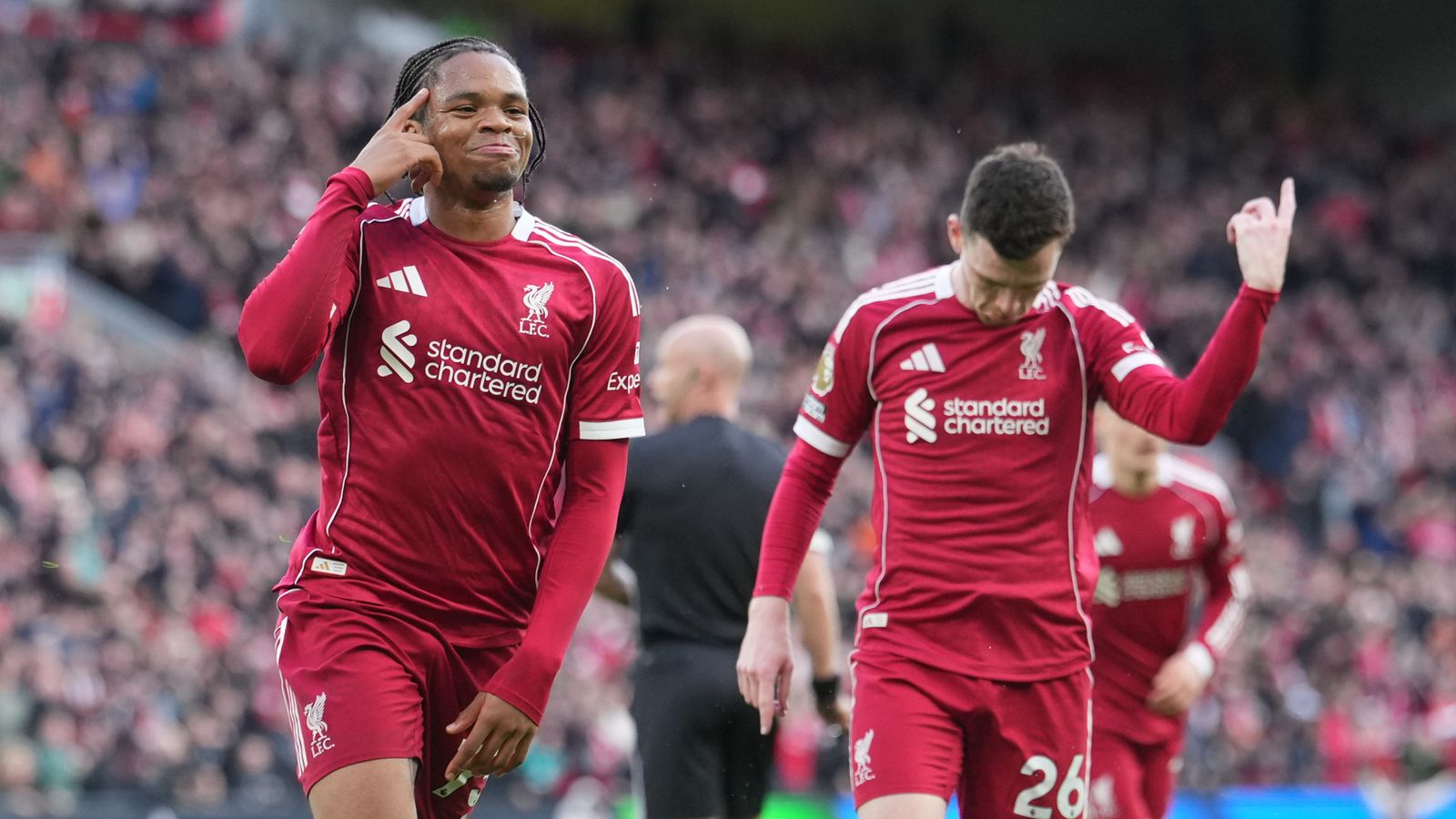
The teenager kicked off Liverpool's 2-0 win against Fulham with a superb finish, instantly altering the trajectory of the club's season. The away end erupted, and the hype machine immediately shifted into overdrive.
Andy Robertson had a front-row seat to watch the teenager impress. The veteran left-back was reported to be backing the youngster after ignoring his own advice, a clear sign of how quickly Ngumoha has won over the senior dressing room.
But the euphoria of a weekend victory fades fast in April. Liverpool came away victors over Fulham last time out but have a mountain to climb when they play PSG in the Champions League on Tuesday.
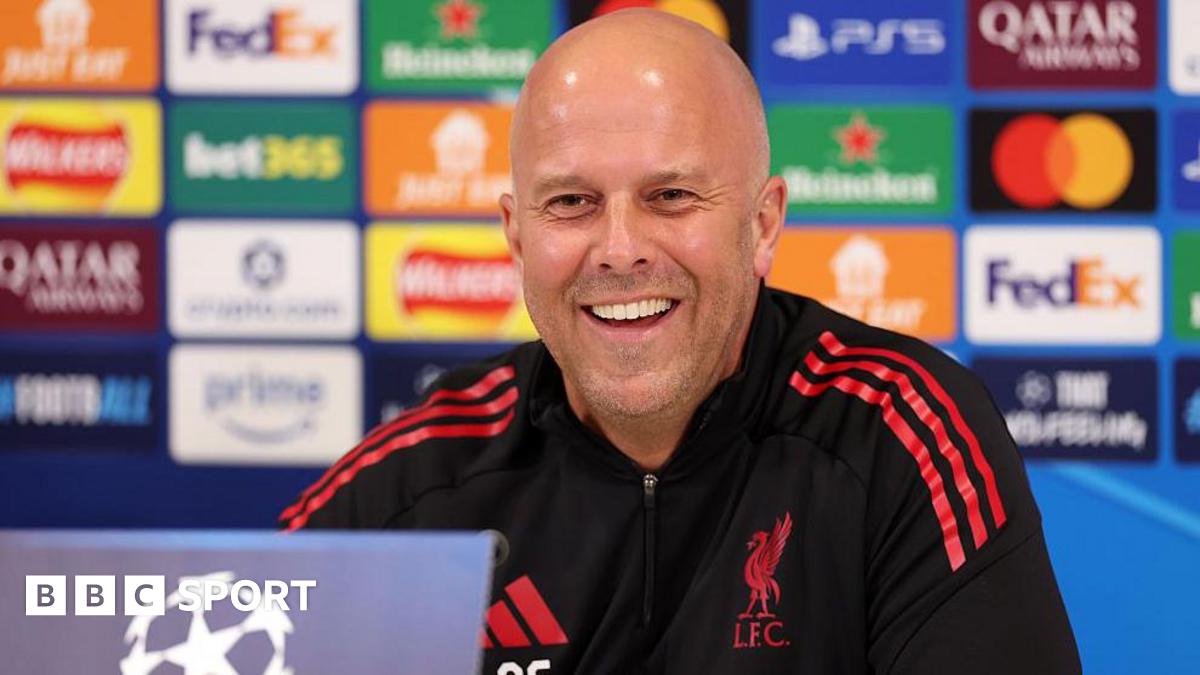
Ngumoha has been heavily tipped to start this win-or-bust fixture. However, Arne Slot has publicly highlighted an issue regarding the wonderkid's immediate integration. As a medical and fitness reporter, I can translate what that issue is: it is a terrifying red zone of load management.
The Physiological Reality of the Champions League
Fans see a fearless attacker ready to take on the world. The sports science department at the AXA Training Centre sees a developing musculoskeletal system being pushed dangerously close to failure.
Playing 90 minutes of Premier League football creates massive physiological stress. The muscle fibers sustain micro-tears, glycogen stores are depleted, and the central nervous system requires significant recovery time.
The central nervous system fatigue cannot be understated. When a player makes their first major impact, the adrenaline spike is massive. The subsequent crash often leaves the legs feeling heavy and unresponsive. Asking Ngumoha to simply push through that wall against elite European opposition is dangerous.
To ask a teenager to recover from that Saturday exertion and start against Paris Saint-Germain just 72 hours later is a massive medical gamble. The Champions League knockout stages demand a completely different physical output. The high-speed running metrics and repeated sprint ability required to compete against PSG's elite athletes will test Ngumoha in ways his body has never experienced.
Slot relies heavily on fitness data. His coaching staff monitors the Acute:Chronic Workload Ratio religiously. This metric compares a player's workload over the last seven days to their average workload over the previous month.
Ngumoha's sudden promotion to the starting XI means his acute load has spiked vertically. Pushing him into the red zone against PSG drastically increases the statistical probability of a soft-tissue injury, specifically hamstring strains or groin tears.
A History of Broken Teenagers
Football history is littered with cautionary tales. The industry has repeatedly failed to protect young breakthrough talents from the physical demands of the modern calendar.
We saw Barcelona destroy Pedri's early twenties by flogging him through 70 games in a single calendar year as a teenager. His body simply gave out, leading to chronic hamstring issues that still plague him.
Liverpool have their own dark history with this exact scenario. Michael Owen was a teenage sensation who carried the club's attacking burden before his body was fully mature. The result was a career heavily compromised by muscle injuries.
We have seen similar scenarios play out with Jack Wilshere at Arsenal. Arsène Wenger leaned too heavily on a generational midfield talent, ignoring the red flags in the sports science data. Wilshere’s ankles ultimately paid the price for that early overexposure.
Slot and his medical team know this history. The issue Slot highlighted isn't about tactical readiness. Ngumoha has already proven he can execute the game plan. The issue is purely biological. Fast-twitch muscle fibers in adolescent athletes recover slower than in fully matured adults.
A Failure in Squad Building
We need to address the glaring structural problem here. The fact that Liverpool are even considering relying on a teenager for a win-or-bust Champions League quarter-final is a massive indictment of the club's recruitment strategy.
FSG and the sporting directors have failed to provide Slot with adequate, durable depth in wide attacking areas. The manager is being forced to gamble with a young player's long-term health because the senior squad is too thin to handle the April fixture congestion.
This is not a romantic story of youth academy success. It is a desperate roll of the dice masking a front-office failure. Slot should have established, hardened professionals ready to rotate in for a game of this magnitude.
The Robertson Dynamic
Robertson’s admission that he ignored his own advice when dealing with Ngumoha is fascinating from a dressing-room perspective. Veterans usually act as the brakes on a hype train. They preach patience, proper recovery, and managing expectations.
If Robertson is getting swept up in the momentum, it shows how desperate the squad is for an attacking spark. But veteran enthusiasm cannot rewrite biology. Robertson has logged tens of thousands of minutes of high-intensity football. His body is adapted to the Saturday-Tuesday grind.
Ngumoha is just beginning that adaptation process. His tendons and ligaments are still thickening. His aerobic base is still expanding. Treating him like a seasoned professional is a fast track to the treatment room.
The PSG Matchup and Tactical Demands
If Ngumoha steps onto the Anfield pitch on Tuesday night, he will face absolute physical monsters. Paris Saint-Germain defenders do not afford young players a period of adjustment. The physical collisions will be violent, and the pace of the game will be relentless.
Slot’s tactical system demands heavy pressing from the front line. The wingers must trigger the press, sprint to close down passing lanes, and instantly transition into explosive attacking runs when the ball is turned over.
Executing that tactical plan requires maximum aerobic capacity. For a player still dealing with the lactic acid buildup from the Fulham match, hitting those physical markers is nearly impossible. The medical staff will likely present Slot with a hard minute restriction.
Here is how the medical breakdown looks for Tuesday night:
- Status: Fit, but extreme load management required.
- Maximum Safe Minutes: 30 to 45 minutes maximum.
- Risk Factor: High probability of muscular injury if started.
The Verdict
The medical consensus is absolute. Starting Rio Ngumoha against PSG would be an irresponsible risk. The issue Arne Slot mentioned is a ticking clock on the teenager's physical endurance.
Expect Slot to use him as an impact substitute. Bringing Ngumoha off the bench for the final half-hour provides Liverpool with a necessary weapon without exposing the player to the 90-minute physiological tax.
The Champions League semi-finals are only two weeks away. If Liverpool manage to climb this mountain against PSG, they will need Ngumoha healthy for the run-in. Burning him out in April will cost them dearly in May.
Read Next
- Liverpool face massive physical gamble with Rio Ngumoha against PSG
- Top 10: The Defining Moments of Liverpool's Jurgen Klopp Era
- Arsenal face a defining Champions League night after Bournemouth collapse
- Arsenal's Bournemouth disaster exposes Arteta's fatal flaw ahead of Europe
- ⚽ Ligue 1 2025-26 — PSG, Monaco & the Title Race Hub
- ⭐ UCL 2026 — Champions League Quarter-Finals Hub