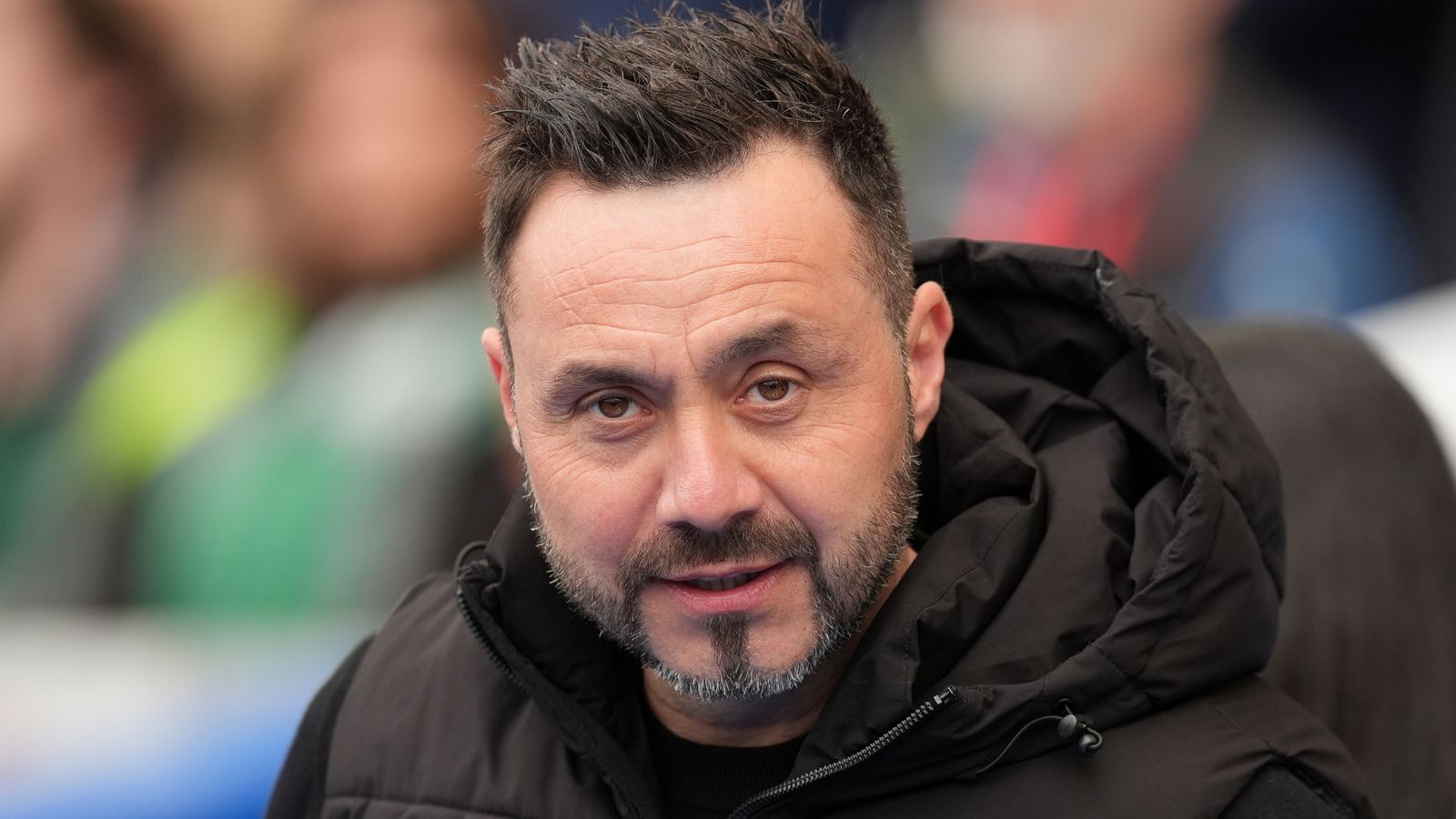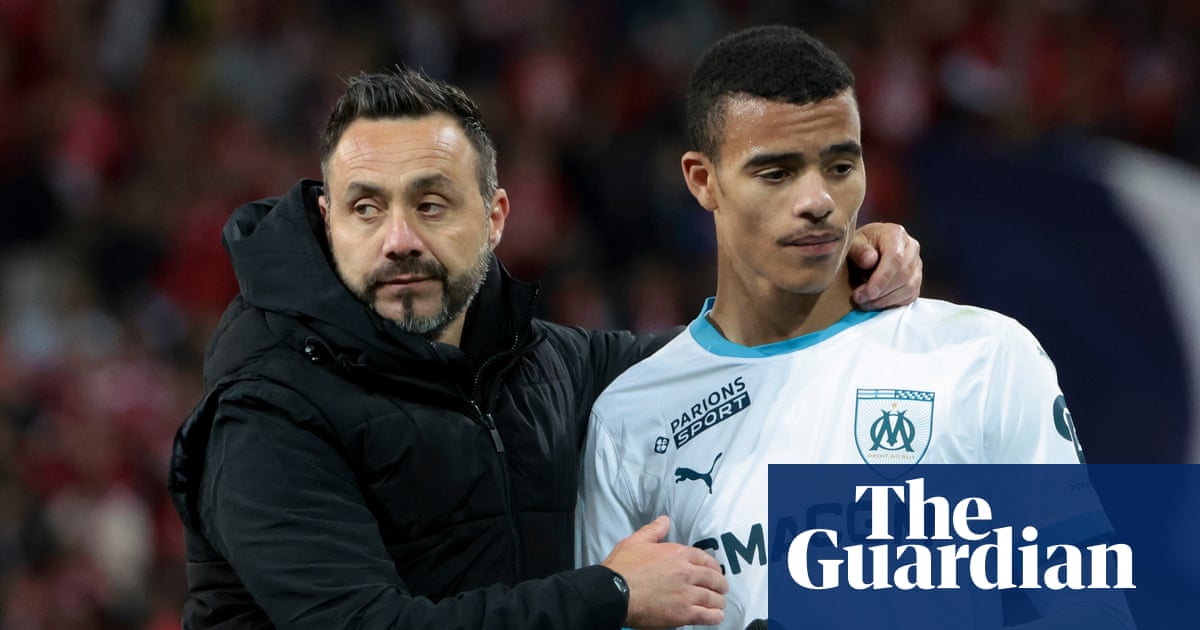
De Zerbi addresses the Mason Greenwood fallout
Roberto De Zerbi has officially pulled the ripcord on his past rhetoric. In his first sit-down as Tottenham head coach, he attempted to walk back previous defenses of former player Mason Greenwood. The response from the fanbase was immediate, intense, and largely hostile.
As reported by The Guardian, the apology was framed as necessary but ultimately lacking in substance for many observers. De Zerbi admitted he was largely unfazed by the backlash. He claimed to have anticipated the friction that his appointment would generate given his historical public stance.
I am not surprised by the reaction from supporters. When you step into a role of this magnitude, you understand the weight of every word spoken in the past.
The timing is poor. Tottenham sits in a precarious position with key personnel battles brewing in every department. Management needs unity heading into the final stretch of the season, yet the dressing room is already dealing with a narrative that detracts from their on-pitch objectives.
The Kudus injury complicates the attack
Beyond the controversy, the health of the squad is becoming a glaring management failure. Mohammed Kudus is currently dealing with a fresh injury setback, a development described as significant for Spurs’ tactical plans. The lack of depth in the final third has haunted this team for months, and losing a creative hub like Kudus now is a disaster.
According to updates from Sky Sports, the coaching staff is scrambling to find a replacement pattern for the upcoming fixtures. This is not just a minor knock; it is a structural failure in the club’s ability to manage player fitness protocols. If they cannot keep their marquee signings on the pitch through the spring, the entire recruitment strategy deserves a total audit.
Tactical drift and accountability
De Zerbi’s admission that he expected the public pushback shows a manager who understands the noise but perhaps underestimates the damage. Football fans have long memories, and a simple apology during a press transition rarely cuts it. His failure to address these issues before arriving at the club suggests a lack of foresight from the front office.
The club's goal is to close the gap on the top four, but the current atmosphere is suffocating. Spurs are notorious for self-sabotaging during periods where they need internal stability most. Focusing on past comments rather than the 4-3-3 defensive transition shows the manager has his hands full of more than just tactics.
Accountability is the metric by which these managers should be judged. If the results start to slide—and with the injury list mounting—the goodwill from the hierarchy will evaporate extremely fast. The transition from Brighton to North London was always going to be steep, but this is a particularly rocky opening chapter.
Critics are already pointing to the lack of a Plan B. If Kudus remains sidelined for the games bridging the April 14 and April 16 European ties, the reliance on backup wingers becomes a liability. The team has looked lethargic in transition during transition periods, and there is no evidence that this group is ready for high-intensity pressure.
Reflecting on the situation, the management of this transition has been amateurish. Whether it is player PR or medical management, the club is burning capital. The decision to overlook these factors during the interview process is a massive red flag. Fans were promised a new direction, but the same old ghosts remain in the walls.
Everything hinges on the next two weeks. If the team manages to secure points while the media cycle burns, the noise will die down. If they drop points, the distraction of the past will become a weekly crutch for the press. The burden of proof is now entirely on De Zerbi’s ability to win matches despite the chaos.
Read Next
- De Zerbi says he's not better than Frank, and Spurs fans are already spiraling
- De Zerbi inherits a Spurs record that demands more than just passion
- Nuno's West Ham are writing a redemption arc that ruins Tottenham's season
- Roberto De Zerbi is already losing the room at Tottenham
- 🇬🇭 Ghana World Cup 2026 — Black Stars Hub
- 🏆 Europa League Final 2026 — Full Coverage Hub