The De Zerbi era begins in crisis
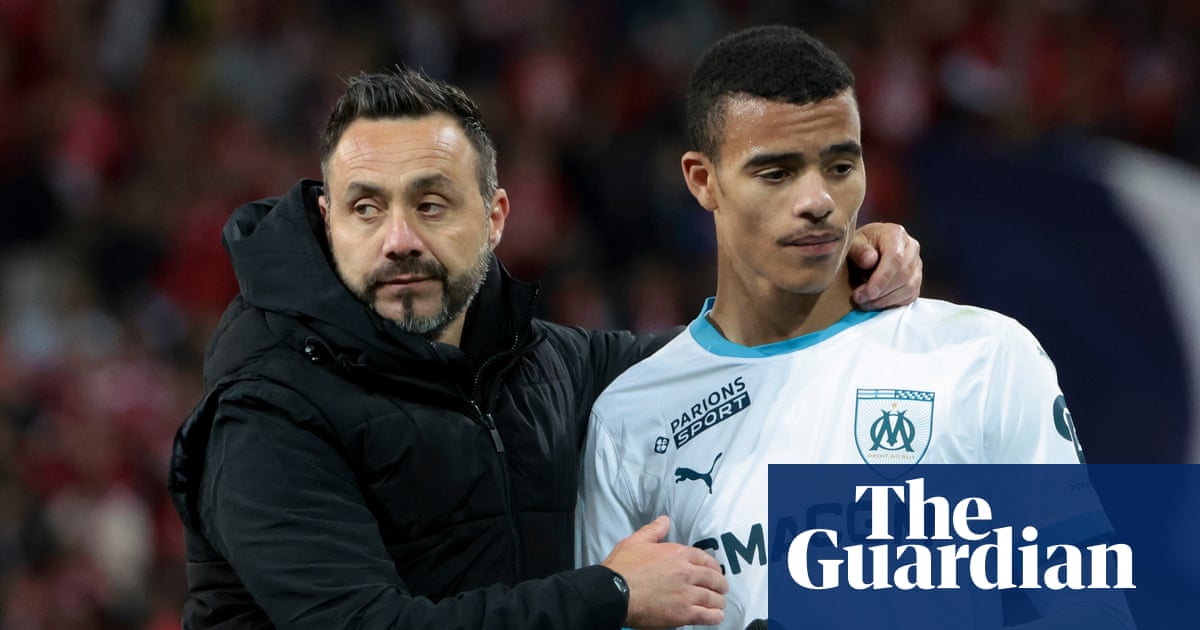
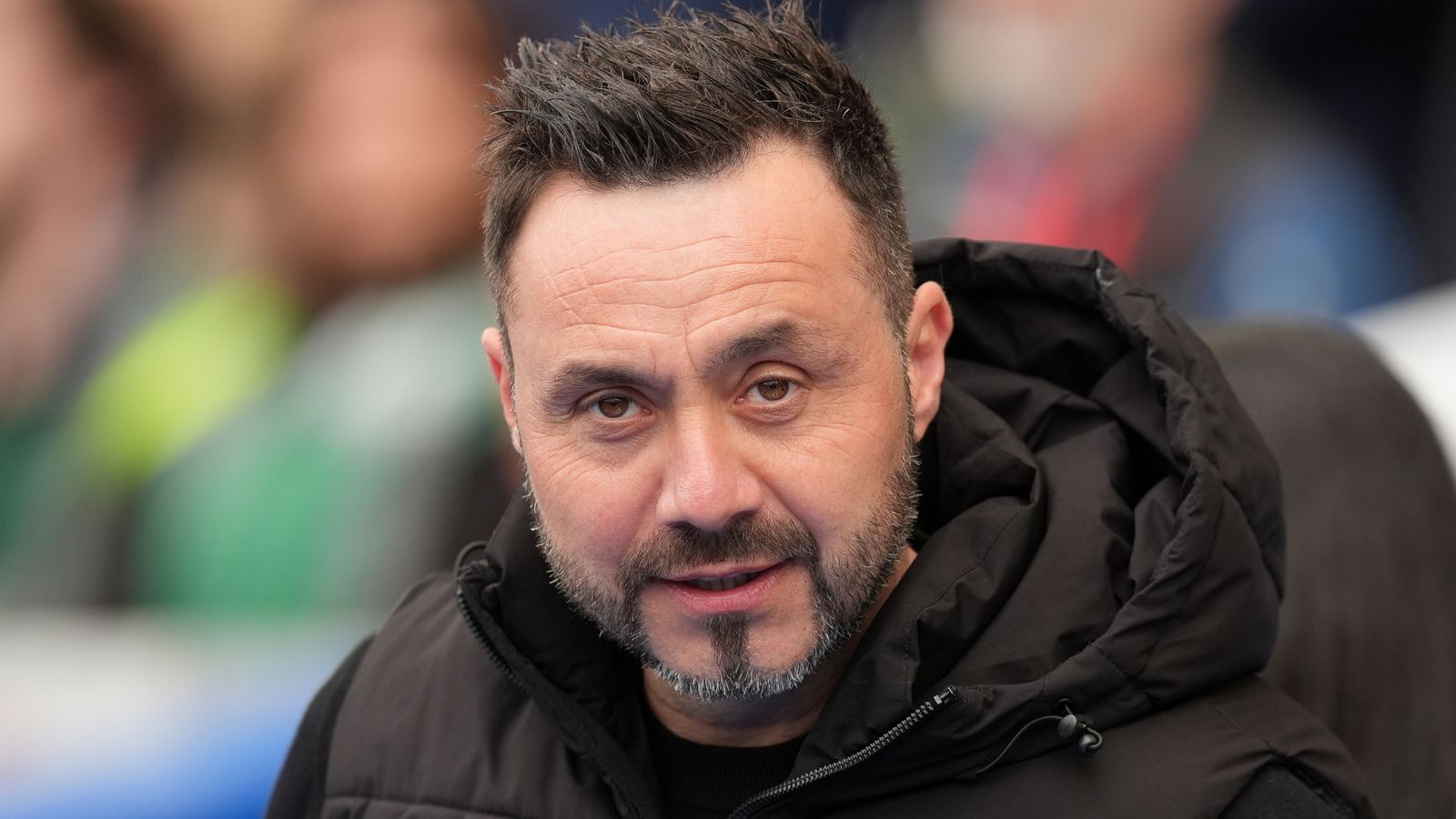
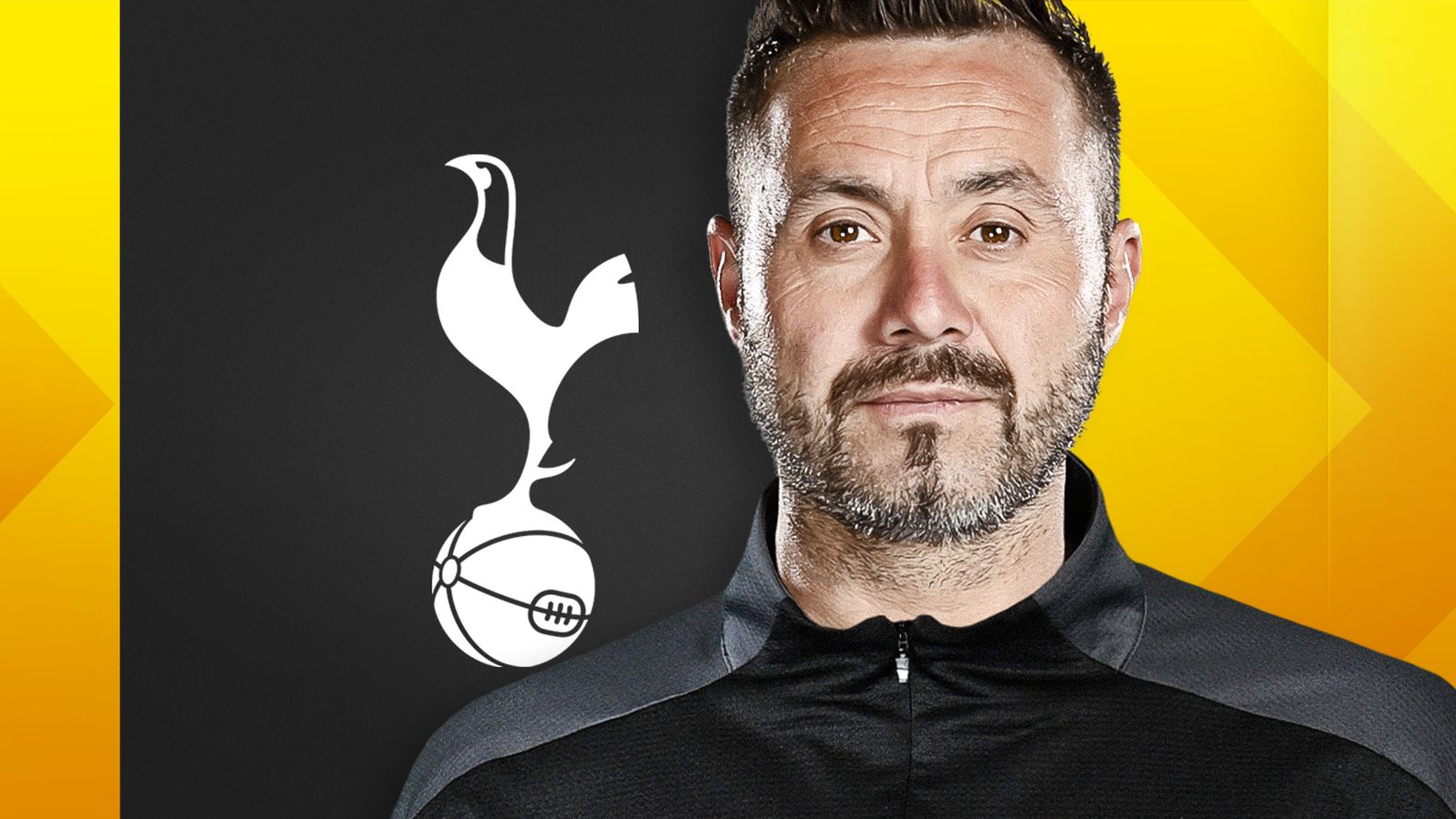
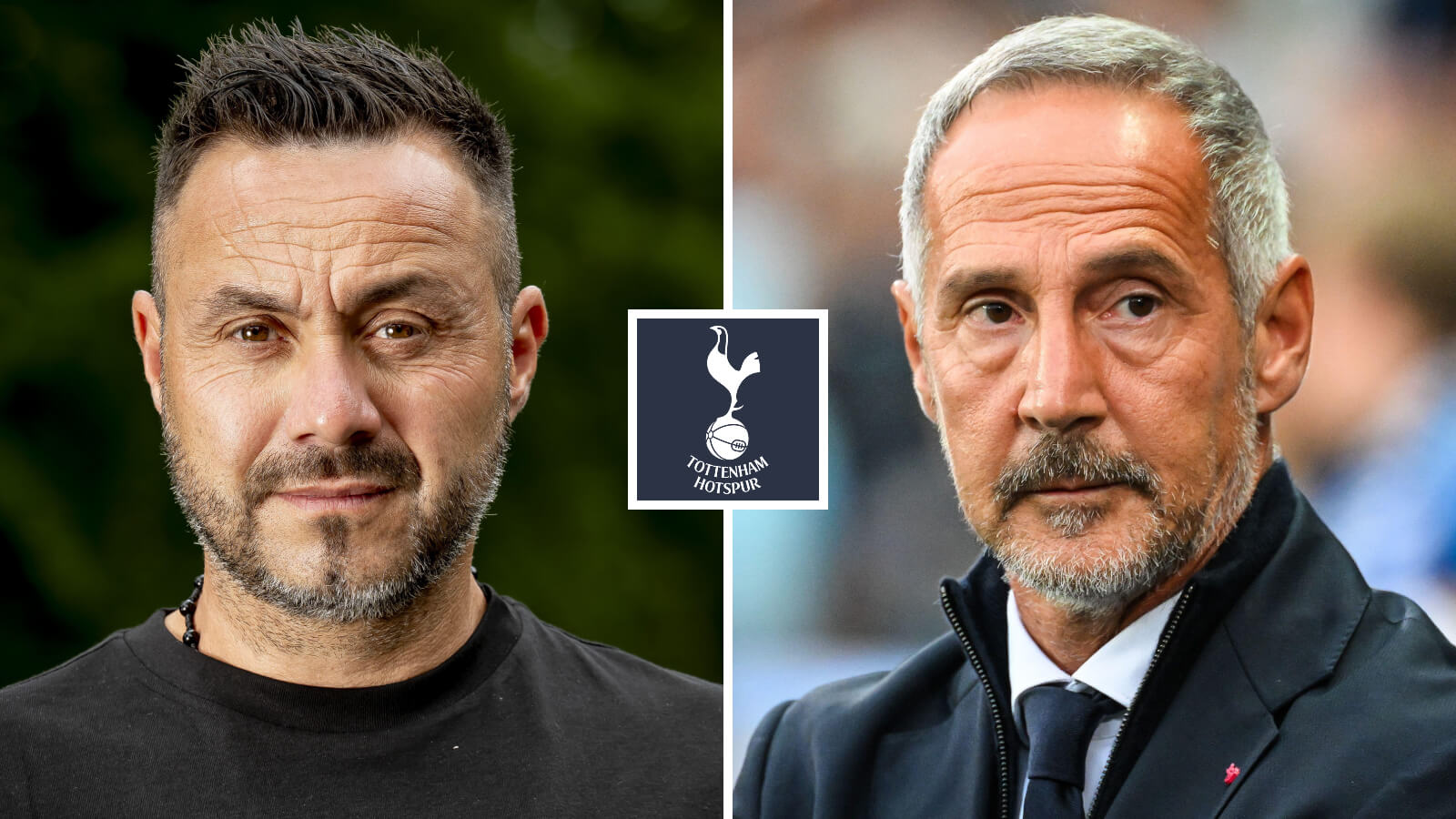
Tottenham have officially appointed Roberto De Zerbi as their third head coach of the 2026 season. The move follows the dismissal of interim boss Igor Tudor, who lasted only seven matches at the helm. According to The Guardian, the Italian has signed a five-year contract designed to stabilize a club currently fighting for its Premier League life.
This appointment is immediate. De Zerbi’s primary directive is to stave off relegation, an objective that feels increasingly precarious given the state of the dressing room and the public sentiment surrounding his arrival. Despite the long-term nature of the deal, the lack of a break clause in the event of dropping into the Championship suggests a high-stakes gamble from the board.
Supporters' Trust sounds the alarm
The reception from the fanbase has been fractured, to put it mildly. The Tottenham Hotspur Supporters' Trust (THST) issued a formal statement today expressing serious alarm regarding De Zerbi’s track record, specifically his vocal support for Mason Greenwood during his time at Marseille. Sky Sports reports that the Trust views the hiring as a misalignment with club values, with some vocal fans already threatening to boycott matches.
This is not merely a complaint about tactics or win percentages. The backlash is moral and commercial. The pressure on De Zerbi to produce results on the pitch is immense, but the psychological burden of a hostile home crowd could make the turn-around effort nearly impossible. When fans declare an appointment as "unforgivable," the margin for error closes immediately.
The strategic gamble
Why move for a manager with this level of baggage during a relegation fight? The club’s recruitment strategy appears rooted in a desire for a high-octane, possession-heavy tactical shift that the board believes can salvage the season. De Zerbi is known for ambitious, expansive football, but that style requires a level of tactical cohesion and player confidence that Tudor evidently failed to instill.
The club has attempted to project a sense of forward momentum, with reports of player excitement emerging from TeamTalk. However, this is standard procedure during a managerial transition. The reality is that the squad is disjointed, confidence is at a nadir, and the upcoming schedule offers little respite for a manager who has not even had a full week with his new personnel.
Historical context and the road ahead
Tottenham is currently on its third manager of the season, a metric that screams organizational dysfunction. In modern Premier League history, teams forced into this many changes rarely find internal salvation. Usually, the third manager is the final roll of the dice before the trapdoor opens.
De Zerbi enters a situation where he must contend with three distinct pressures: a fractured supporter base, a short-term survival mandate, and a long-term contract that binds the club to him regardless of division. If he cannot secure points within his first three fixtures, the internal pressure will likely lead to even deeper fractures in the club’s leadership.
The appointment is a 5-year agreement, yet the tenure could be evaluated in a matter of weeks. With the Premier League table as tight as it is, every missed point at this stage is compounding. The volatility of the last three months at Tottenham suggests that the board is operating in a state of reaction rather than planning, and moving for a lightning-rod figure like De Zerbi complicates an already grim tactical situation.
Ultimately, De Zerbi is being tasked with an impossible dual-track mission: satisfy the demands for immediate safety while simultaneously managing a PR firestorm he inherited. If he manages to organize the defense and string together three wins, the noise may die down. If they drop points this weekend, the atmosphere at home matches will be toxic.