The managerial mandate
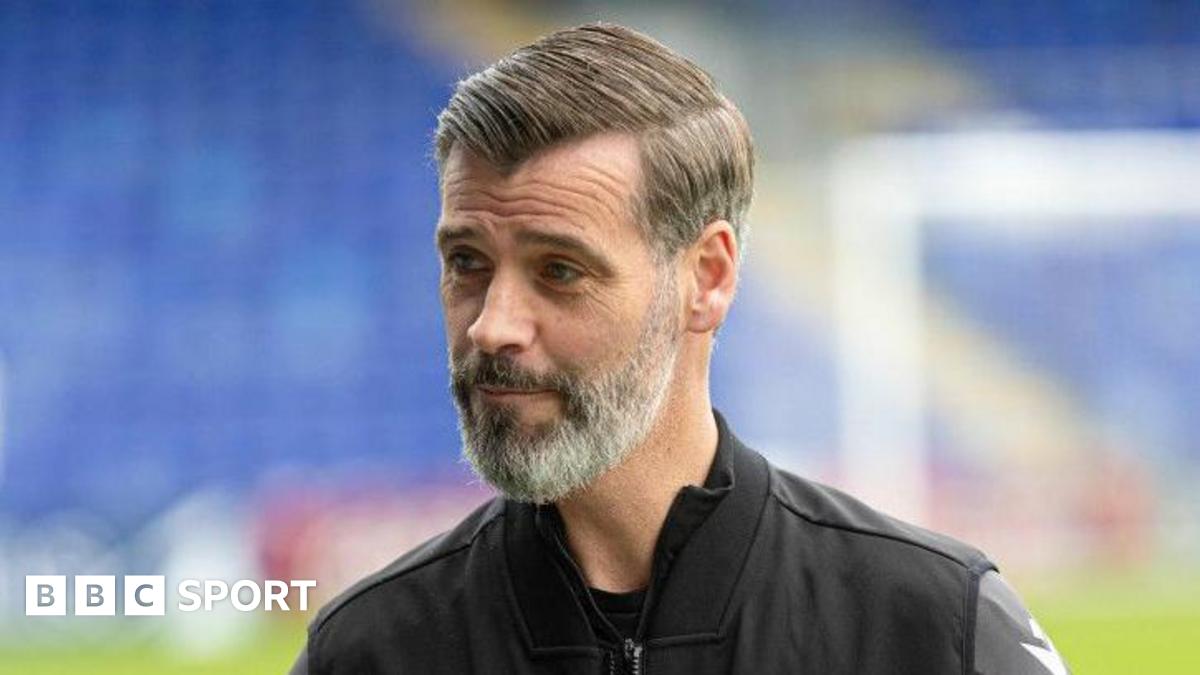
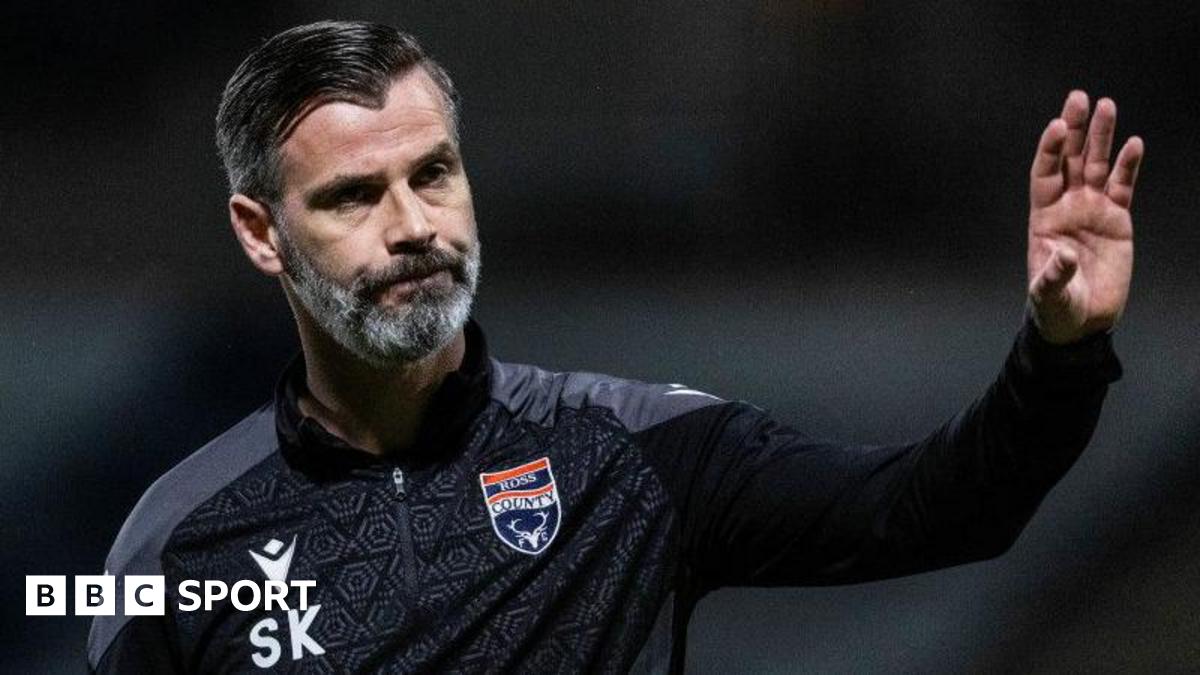
Ross County has officially confirmed manager Stuart Kettlewell will remain in charge following the club's relegation to League One. Despite the drop, ownership is doubling down on the 41-year-old as the primary figure to navigate the upcoming campaign. Continuity is the strategy, though the club faces a massive roster overhaul before the new season cycle kicks off.
Kettlewell’s retention follows a season of dwindling returns that eventually cost the side their status in the higher tier. The front office appears convinced that shifting the coaching staff would only worsen the instability inherent with a drop in division. This vote of confidence suggests a belief that the issues were squad-based rather than tactical.
The squad reality check
Relegation in lower-tier British football is a financial and structural nightmare. Clubs must reconcile the massive reduction in broadcasting revenue with existing wage structures built for a more profitable tier. Kettlewell now faces the grim reality of clearing out high earners who are unwilling to participate in a League One campaign.
History provides a clear template for how this usually plays out. Clubs that lean into immediate, radical change often fail to stabilize for years, while those who panic-fire managers usually find themselves staring down a second consecutive relegation. Ross County is choosing the slow-burn approach, prioritizing tactical familiarity over the chaos of a full reset.
However, the skepticism remains fair. Relying on the same tactical mind that oversaw a failing campaign carries obvious risk. If the early results in August do not yield points, the board members who signed off on this retention will face immediate pressure from fans. The margin for error in League One has narrowed considerably, leaving little space for a slow start.
Expect to see a leaner operation as the club looks toward the upcoming fiscal year. Keeping the coaching staff intact is one thing, but maintaining a competitive level of play is another. The ability to recruit at this level is predicated on the club’s reputation as a stable landing spot for younger players who prioritize minutes over top-tier wages.
Strategic considerations
Building a successful squad in League One requires more than just retention; it requires a disciplined approach to the medical and physical conditioning of players. A long, bruising season takes a toll, and the rigors of lower-league travel and tighter recovery windows often lead to preventable soft-tissue injuries. The club must ensure their training facilities can support a high level of intensity throughout the grind.
Maintaining player health is the secret, often ignored, component of a rebound campaign. If Kettlewell can streamline his training regimen and limit the time key personnel spend on the treatment table, he will have a distinct advantage over competitors who cycle through rotating lineups due to poor conditioning. Fitness levels need to be the priority in the pre-season lead-up to the start of the schedule.
Looking at the broader industry, the trend of sticking with a manager during a drop is becoming increasingly rare. Most boards opt for a fresh voice to wash away the negativity of a relegation charge. Ross County is betting against that trend. They are effectively wagering that the internal chemistry of the locker room will respond positively to the continuity of leadership.
Ultimately, the results in the opening few months will provide the proof of whether this decision was sensible or merely sentimental. Staying in place after a disaster is a bold move. It requires buy-in from the players, who now have to reconcile their own professional ambitions with the realities of reduced stature. Time is the only currency that matters now for Kettlewell.