The Accountability Crisis
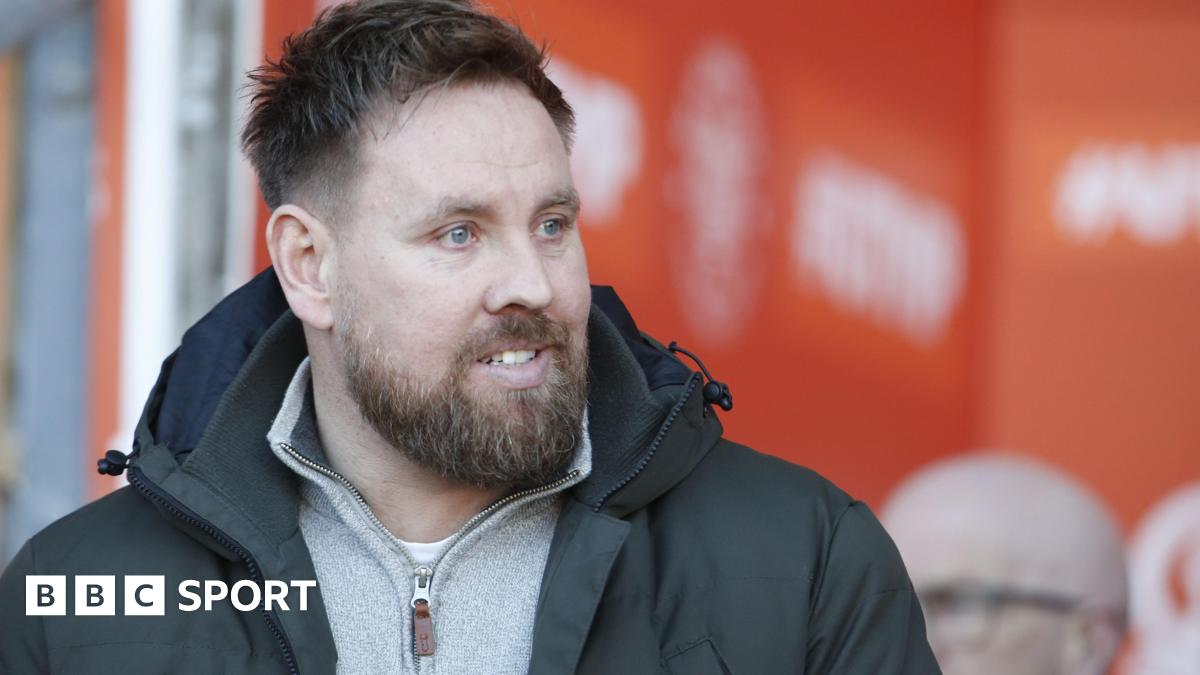
Leyton Orient’s 2025/26 campaign served as a clinic in professional stagnation. Richie Wellens recently shredded his squad’s application, identifying a group that effectively punted an entire year of development into the trash. When a manager publicly demands his own players get off the pitch, the professional contract is effectively burning.
The Ranking
- Richie Wellens’ Tactical Clarity: The manager stands alone as the only consistent component at Brisbane Road. His ability to diagnose terminal laziness while navigating a threadbare budget remains his most valuable trait. He isn’t just coaching; he is managing a collapse, which, according to recent BBC reports, has reached a breaking point.
- The Defensive Resilience: Staying in League One was a mathematical exercise in survival rather than flair. The backline held just enough structure to avoid the drop, despite frequent lapses in concentration. They rank high only because they ultimately denied the relegation trapdoor.
- The Academy Graduates: Faced with a senior squad Wellens described as 'weak,' the youth contingent provided the only injection of genuine hunger. They didn't always succeed, but they didn't coast through matches like their older counterparts. Their inclusion is a necessary rejection of the status quo.
- The Midfield Engine: For periods of the season, the central unit actually controlled the tempo of play before inevitably tiring late. It was a structural failure of conditioning rather than a lack of vision. Keeping possession for 60 minutes rarely matters if the final 30 minutes are surrendered to the opponent.
- The Tactical Pivot: Wellens frequently experimented with formations to mask a lack of individual quality, proving he hasn't lost his tactical edge. The versatility shown during the winter window prevented the side from becoming a predictable target. It was a holding action, but it worked.
- The Home Support: The fans endured a season of mediocrity that would have sent lesser clubs into total despair. Keeping attendance figures steady while the team underperformed is a feat of loyalty that the squad failed to return. They are the only reason the club retained its dignity.
- The Goalkeeping Unit: The shot-stopping numbers were mediocre, reflecting the pressure applied by an leaky defensive shield. Consistency was nonexistent, forcing the keeper to make far too many desperate, reactionary saves. It is difficult to argue they were ever a reliable point of safety.
- The Mid-Table Stagnation: The decision to settle for safety rather than testing the limits of the squad’s potential doomed their mid-season outlook. Settling for mediocrity is a choice, not an accident. They prioritized safety over growth, resulting in a hollow exit from the season's ambitions.
- The Off-the-Pitch Effort: Per the Mirror coverage, the disconnect between management expectations and player output was absolute. This is a failure of internal culture. A group that requires such visceral public shaming is a group that has already quit.
- The 'Weak' Senior Core: The players who coasted are at the bottom for a reason. Wellens is correct; they wasted an entire year of professional football. Allowing talent to atrophy in a professional environment is an indictment of their work ethic and personal integrity.
The Big Picture
Leyton Orient’s season highlights the dangerous gap between managerial ambition and player application. The friction between Wellens and his squad is no longer subtext; it is the primary story of the club's current standing, signaling an inevitable exodus of underperforming personnel.
Honorable Mentions
The medical staff deserve credit for managing an injury list that could have easily sent the club down were it not for their late-season intervention. Also, the traveling support for consistently showing up to watch a product that the manager openly criticized as unwatchable.