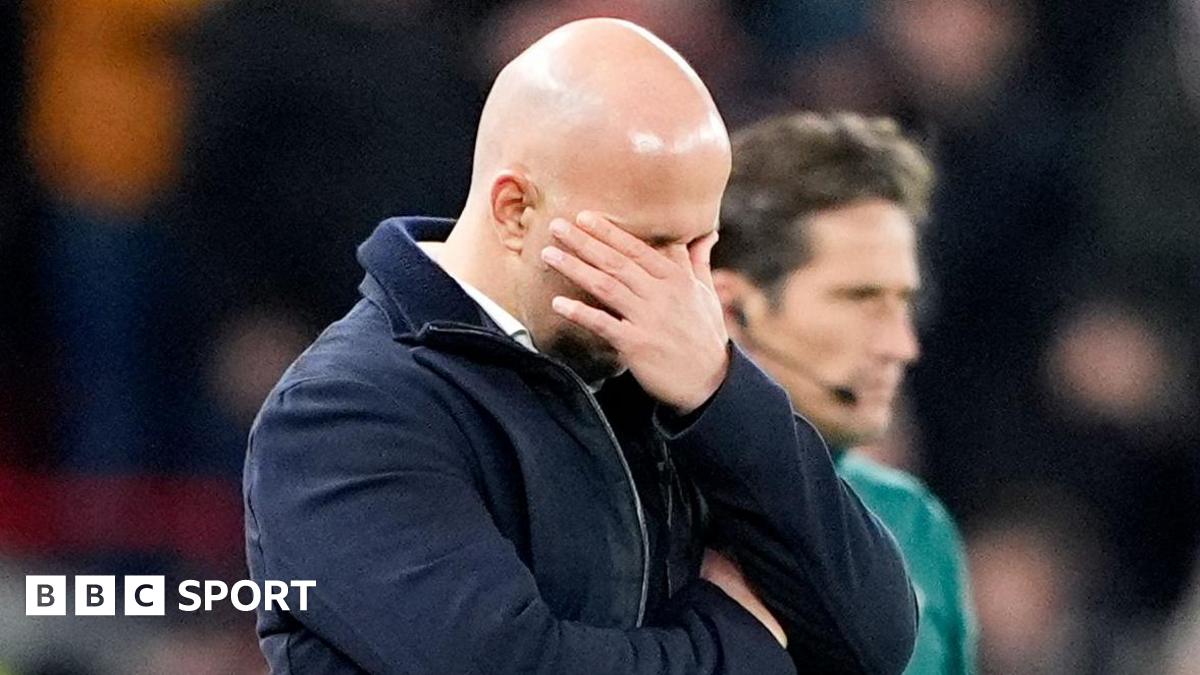
Scotland are playing with fire ahead of the World Cup opener

Hampden is hiding a worrying lack of sharpness
The sentiment surrounding the national team is reaching a fever pitch, but today's performance at Hampden Park provided a reality check. Scotland's final home friendly against Curacao was meant to be a crowning celebration, a victory lap before boarding the plane for the 2026 World Cup. Instead, it exposed a side that looks rhythmically disjointed.
Steve Clarke opted to start Anthony Gordon and Ben Gannon-Doak, an attacking intent that looked good on the team sheet but stalled in transition. By the time Tahith Chong found the net to give Curacao a shock lead, the energy inside the stadium had shifted from celebration to genuine anxiety. As Sky Sports coverage noted, the gap in technical cohesion was glaring during the opening exchanges.
The fitness gamble is failing to pay off
Clarke entered this window with a specific tactical gamble. He needed to get minutes into the legs of his undercooked trio: Aaron Hickey, Billy Gilmour, and Gannon-Doak. As reported prior to kickoff, these players were viewed as essential to the World Cup effort, yet their lack of recent competitive action was visible. Players were consistently second to loose balls, struggling to maintain the high-press tempo required in international tournament football.
When Curacao went down to 10 men, the onus shifted to Scotland to capitalize on the numerical advantage. The equalizer, eventually struck by Curtis, felt more like a relief than a breakthrough. It highlights a recurring issue in this Scotland revival: when the opposition digs in, the creative burden becomes too heavy for the midfield to bear alone.
Tactical stagnation in the final third
Watching the second half, the patterns of play were far too predictable. Crosses became the default tactical output, often bypassing the strikers rather than finding them. While supporters are used to the 'Big Send-Off' narrative pushed by the SFA, today proved that sentimentality doesn't win points. If Scotland cannot carve open a 10-man Curacao side with more clinical efficiency, their group stage opponents in the upcoming World Cup will relish the prospect of facing this backline.
The defensive lapses leading to Chong's opener weren't just mistakes; they were structural failures of communication. A tournament team doesn't concede to a counter-attack under those circumstances. Clarke has 12 days before the kickoff on June 11th to recalibrate. If he continues to prioritize 'getting minutes' over setting a definitive tactical identity, the World Cup journey might be significantly shorter than the fans expect.
Ultimately, today was a performance that favored the occasion over the reality. The squad is talented, but relying on late equalizers against lower-ranked opposition is not a sustainable model for success on the world stage. Scotland needs more than just enthusiasm to survive the summer.
Read Next
- Scotland's World Cup gamble: Steve Clarke is now officially bulletproof
- Scotland’s path through group stage hinges on the Haiti opener
- Scotland’s lack of edge against Curacao reveals a deeper structural rot
- Archie Gemmill belongs at the top of Scotland's pantheon
- 🏆 World Cup 2026 — Full Coverage Hub
- 🏴 Scotland World Cup 2026 — Tartan Army Hub
- 🇧🇷 WC 2026 Group C — Brazil, Morocco, Scotland, Haiti
Nike Premier League Pitch Soccer Ball
A highly visible, durable training ball for everyday play.
Frequently Asked Questions
What were the main concerns following Scotland's final World Cup warm-up?
Why did Steve Clarke's fitness gamble fail during the Curacao match?
How did Scotland struggle tactically against 10-man Curacao?
What issues were identified in Scotland's defensive structure?
When is Scotland's opening match of the 2026 World Cup?
More Coverage

Scotland just curb-stomped Curaçao, but nobody is fooled
42 minutes agoScotland’s buildup to the World Cup is masking deep tactical flaws
42 minutes ago
Archie Gemmill belongs at the top of Scotland's pantheon
3 hours ago
Scotland scouts monitor Curaçao talent ahead of World Cup opener
3 hours ago
Scotland's World Cup gamble: Steve Clarke is now officially bulletproof
11 hours ago
Premier League summer transfer window 2026: Everything you need to know
14 hours agoMore Analysis
Scotland just curb-stomped Curaçao, but nobody is fooled
42 minutes agoScotland’s buildup to the World Cup is masking deep tactical flaws
42 minutes ago
AC Milan are making a massive gamble on Oliver Glasner
an hour ago
Top 10: Defining Moments of the 2025-2026 Premier League Season
an hour agoScotland’s lack of edge against Curacao reveals a deeper structural rot
an hour ago