The Anatomy of a Chaotic Title Defense
The 2025-2026 Premier League season defied tactical orthodoxy and conventional wisdom. From systemic failures at Anfield to the rise of unexpected contenders, the season proved that sustained dominance is a myth.
These ten moments captured the volatility of a league currently grappling with the rapid evolution of tactical AI in game preparation and squad management. Whether through brilliance or bureaucratic incompetence, these events set the tone for the months leading up to the 2026 World Cup.
10. The Tactical Pivot in Manchester
Pep Guardiola’s decision to move his defensive line ten yards higher against high-pressing sides in October was a gamble that paid off. By choking the space in the middle third, Manchester City neutralized transitional threats. It redefined how defensive setups are coached, forcing teams to rely on long-ball counters rather than methodical build-up play.
9. The London Derby Meltdown
The chaotic 4-4 draw between Chelsea and Arsenal in February exposed a total lack of defensive discipline on both sides. Both managers opted for pure transition-based attacking football, abandoning structural integrity for entertainment. While the neutrals loved the goals, it remains a stain on the tactical development of both clubs this year.
8. Liverpool Part Ways with Arne Slot
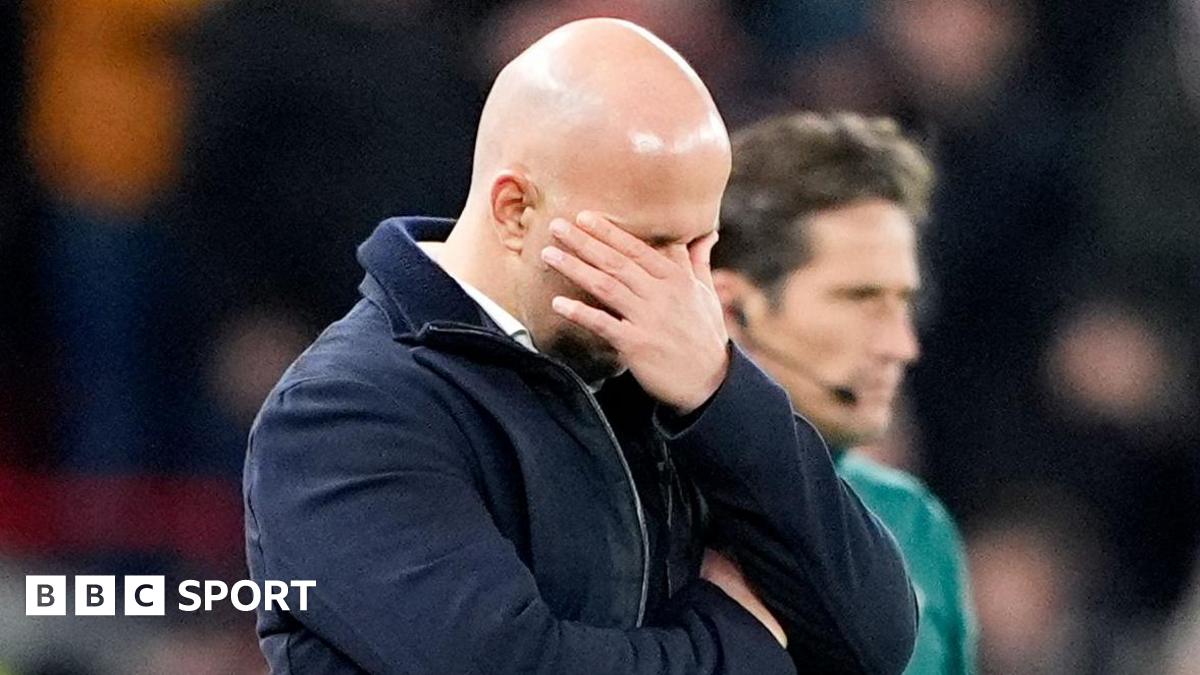
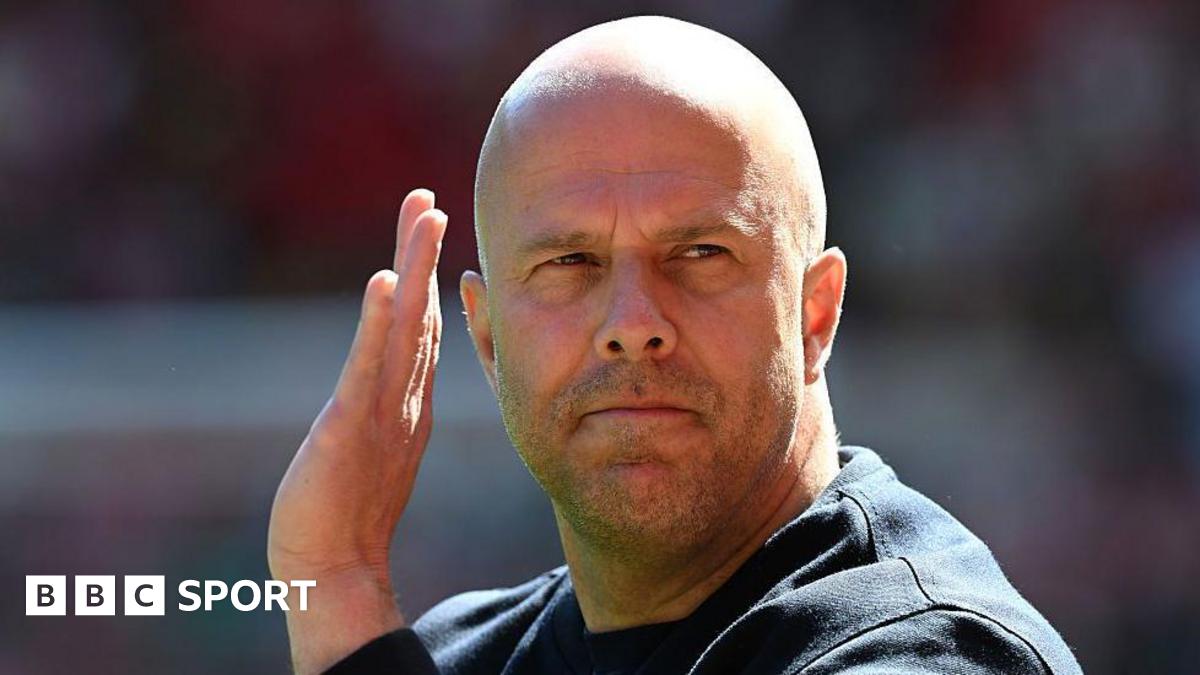
The biggest story in English football was the shock departure of the title-winning head coach. As the BBC reported, the board felt Slot lacked the atmospheric authority required to handle the dressing room’s ego post-triumph. Managing the aftermath of a championship requires a different temperament than winning one, and the hierarchy decided enough was enough after two years at the helm.
7. Brighton’s European Push
Brighton finished in the top four, a feat that felt impossible heading into the campaign. Their recruitment of deep-lying playmakers from South America continues to outperform clubs with double their salary budgets. They play with a consistency in their pressing triggers that larger, more chaotic clubs currently lack.
6. The V.A.R. Transparency Initiative
By mid-season, the league mandated that all audio from PGMOL reviews be played inside the stadium in real-time. This reduced conspiracy theories but increased fan frustration when officials struggled to explain complex handball rules. It was a failure in implementation that made the quality of officiating more, not less, visible.
5. The Golden Boot Squeeze
Erling Haaland and Alexander Isak finished the season within one goal of each other. The race came down to the final match day, where both strikers were forced into isolation roles as their teams played dead-rubber fixtures. It highlighted how dependent both systems are on the individual brilliance of a lone target man.
4. Aston Villa’s Tactical Regression
After a stellar previous outing, Unai Emery’s side collapsed in the second half of the season. The high-risk offside trap became easy to read for any team with a quick winger. Refusing to adjust when other managers solved your system is a coaching negligence that cost them a Champions League spot.
3. The North London Collapse
Tottenham suffered a catastrophic losing streak in April that saw them drop from title contention to fighting for the Europa League. The issue was internal injury management, specifically the recurring hamstring problems plaguing their creative hub. Relying on an aging core without backup rotation was a strategic error with long-term consequences.
2. The Mid-Season Referee Protests
When referees threatened a walkout over safety protocols in January, the league nearly ground to a halt. The tension between match officials and the touchline behavior of managers reached a boiling point. It was a dark moment that proved the current disciplinary code is toothless against veteran managers.
1. The Anfield Transition Period
Liverpool’s decision to part ways with Arne Slot remains the most baffling move in recent club history. Despite clinching the Premier League title, the friction between the touchline and the boardroom was irreversible. Slot’s inability to match the legacy left by his predecessor meant he was fighting a losing battle from July. It is a cautionary tale regarding what happens when chemistry fades in a high-pressure environment.
Honorable Mentions
Everton’s survival on the final day, the sheer incompetence of the January transfer window across the bottom three, and the record-breaking number of red cards issued for dissent. These sub-stories defined the grit and flaws of a league that prides itself on being the hardest to win.